

Ophiomantie
Definition & Origin:
Ophiomancy (from Greek óphis meaning snake and manteía meaning divination) is a form of animal divination in which snakes and their behavior are interpreted as prophetic signs. It is a specialized branch of zoomancy closely connected to mythological symbolism of wisdom, healing, and transformation.
Core Concept & Worldview:
Ophiomancy is based on the belief that the snake, as a liminal creature between earth and underworld, possesses insight into hidden forces. Its movements, appearances, and shedding of skin are interpreted as signs of cyclical change and profound transformation.
Forms of Ophiomancy:
-
Observational Ophiomancy: Interpreting the direction or behavior of a snake.
-
Shedding Oracles: Reading the symbolism of molting as renewal.
-
Temple Oracles: Historically documented in sanctuaries where sacred snakes were kept.
-
Dream Ophiomancy: Interpreting snakes in dreams.
-
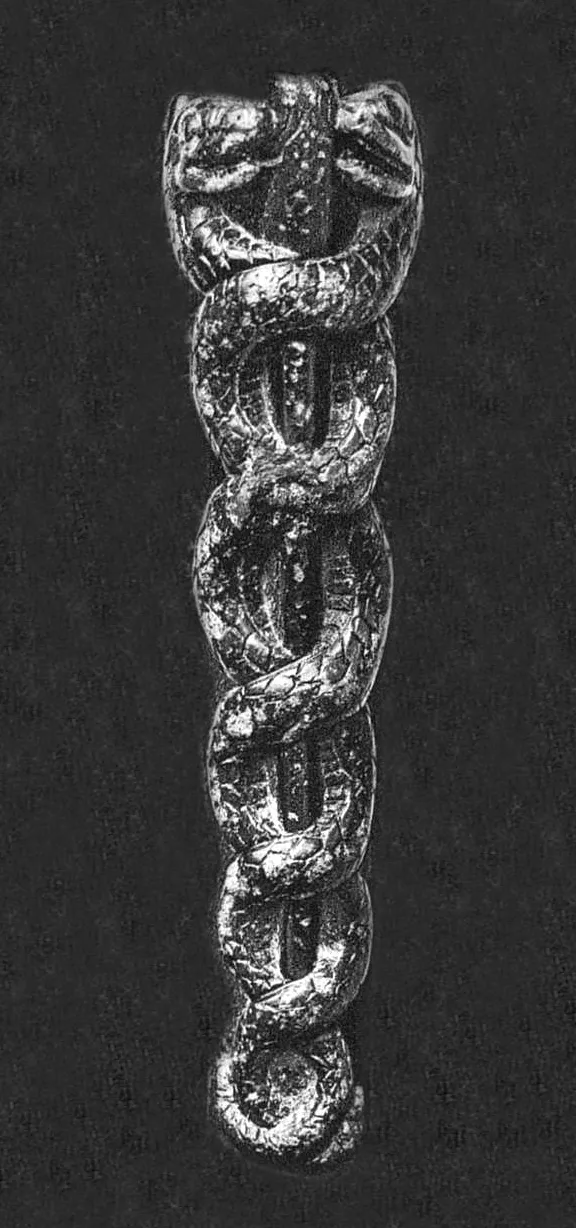
Symbolic Ophiomancy: Ritual use of serpent imagery.
Historical & Cultural Context:
Snakes held central roles in many cultures, including ancient Egypt, Greece, the Near East, India, and Mesoamerica. They were regarded as guardians of knowledge, healing beings, or chthonic powers. In some ancient sanctuaries, snakes were venerated as divine messengers.
Symbolic Meaning:
Symbolically, the snake represents transformation, regeneration, hidden wisdom, and vital energy. In divination, it often signals deep inner change, concealed dangers, or the awakening of creative forces.
Psychological Interpretation:
Psychologically, the serpent functions as an archetype of the unconscious, instinctual drive, and renewal. Its dual nature—both healing and threatening—reflects inner tension and polarity.
Modern Esoteric Use:
In contemporary spirituality, ophiomancy is usually symbolic, appearing in dream interpretation, Kundalini teachings, or shamanic practice. It emphasizes transformation and energetic development rather than literal prediction.
Distinction:
Ophiomancy differs from general zoomancy through its strong chthonic and initiatory symbolism and from myomancy through its mythological depth and transformative focus.