The Spiritual Experience of Slowness in a Speed-Driven World - A Comprehensive Guide to Slow Living, Mindfulness, and Spiritual Growth
In today's fast-paced world, it can be challenging to find moments of stillness and reflection amidst the constant hustle and bustle. The concept of slowness has gained traction in recent years as a means to counterbalance our speed-driven lifestyles and reconnect with ourselves on a deeper level. This spiritual experience of slowing down is not only rejuvenating but also offers profound insights into life's complexities, leading us towards a more holistic existence.
Slowing down does not necessarily mean stopping altogether; rather, it involves cultivating mindfulness through intentional awareness of our thoughts, emotions, and surroundings. By engaging in activities that require unhurried attention - such as cooking, gardening, or meditation - we can rewire our brains to appreciate the value of present-moment experiences. For instance, taking a leisurely stroll through nature allows us to perceive its beauty more vividly than merely passing by on autopilot.
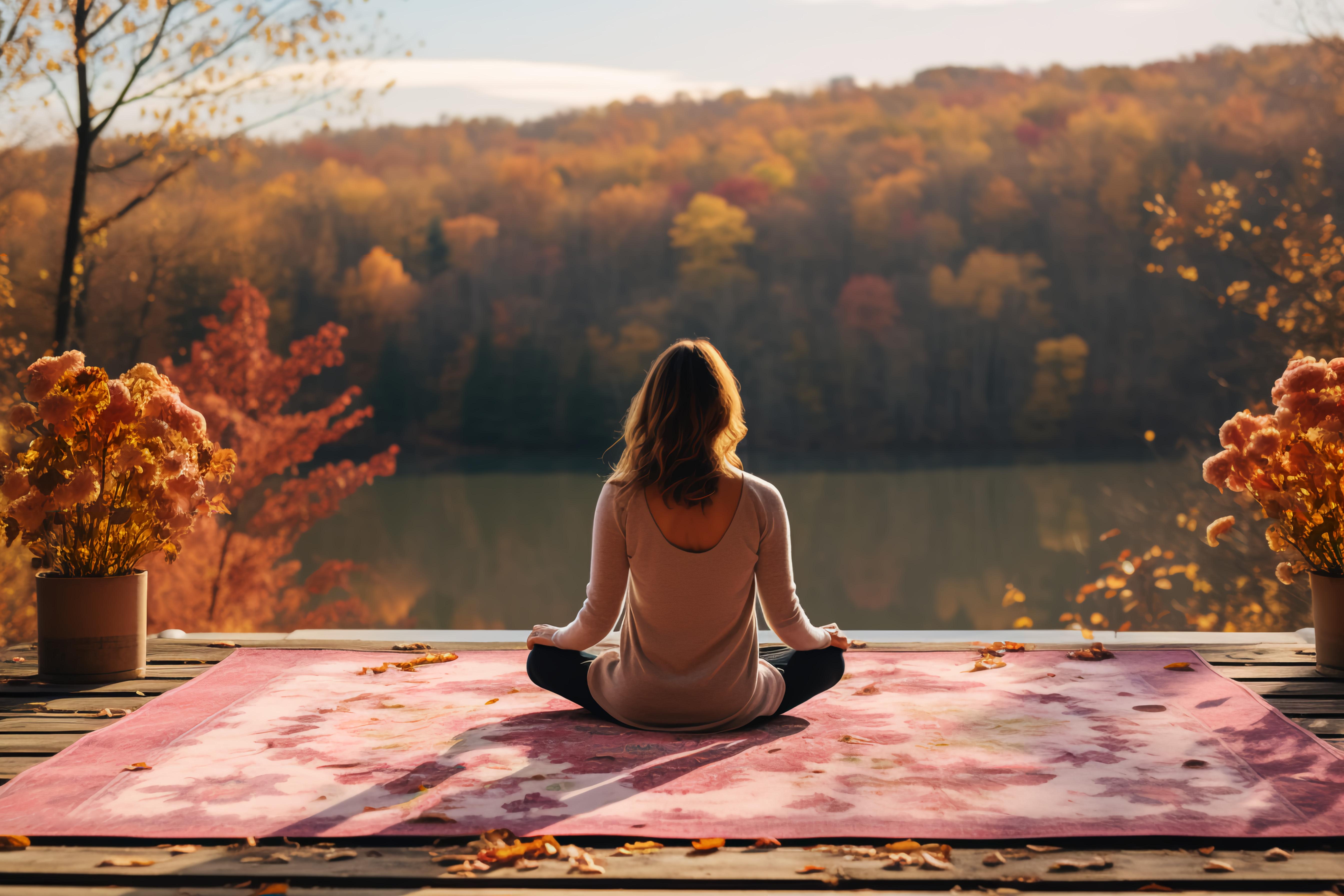
One notable example of embracing slowness is the ancient practice of mindfulness meditation, which involves sitting in quiet contemplation for extended periods. This discipline has gained considerable popularity among modern-day practitioners seeking solace from the stresses of their fast-paced lives. The act of slowing down during meditation allows individuals to develop a deeper understanding of their thoughts and emotions while fostering empathy and compassion towards others.
Moreover, slowness is not just an individual pursuit; it can also be experienced collectively through shared activities that prioritize connection over productivity. For example, communal meals or potluck dinners encourage participants to savor each dish mindfully, appreciating the flavors and textures while enjoying meaningful conversations with their fellow diners.
- Key Terms: slowness, mindfulness, meditation, empathy

What is Slow Living?
In today's fast-paced world, it can be easy to get caught up in the whirlwind of constant activity and stress. However, some individuals are choosing to embrace a slower lifestyle, one that prioritizes mindfulness, connection with nature, and intentional living over instant gratification and productivity for productivity's sake.
Slow living, or intentional slowing down, is an approach to life that emphasizes the importance of taking time to appreciate simple pleasures, foster deep connections with others, and find balance in a world driven by speed and efficiency. This spiritual experience of slowness allows individuals to reconnect with their true selves, prioritize self-care, and cultivate gratitude for the small moments that make life meaningful.
For those looking to incorporate slow living into their daily routines, there are many practical steps they can take. One such step is establishing a morning routine focused on mindfulness practices like meditation or journaling. Another might be scheduling regular 'digital detox' periods where technology use is restricted or eliminated altogether for a set amount of time each day.
By consciously choosing to slow down and prioritize experiences over productivity, individuals can find renewed meaning in their daily lives. This shift towards intentional living not only benefits the individual but also has positive ripple effects on relationships, mental health, and overall well-being. In a world that often values speed over substance, slow living offers an alternative path towards spiritual growth and personal fulfillment.
The Benefits of Slow Living
In today's fast-paced society, it is easy to become overwhelmed by the constant pressure to do more, be more, and achieve more. The relentless pursuit of efficiency and speed can lead us to overlook the profound benefits that come from slowing down and embracing a slower pace of life. This spiritual experience of slowness offers numerous advantages, including improved mental health, increased productivity, and deeper connections with others.
One significant benefit of slow living is its positive impact on mental well-being. Research has shown that practicing mindfulness meditation, which often involves focusing on the present moment and being fully engaged in a task at hand, can help reduce symptoms of anxiety and depression. By allowing ourselves to be fully present and attentive, we create space for inner reflection and emotional healing.
Additionally, adopting a slower pace of life can lead to increased productivity and creativity. When we are not constantly rushing from one activity to the next, we give our minds time to rest and recharge. This breaks the cycle of burnout and allows us to approach tasks with fresh perspective and renewed energy. Furthermore, by dedicating more time to creative pursuits or hobbies, we nurture our imagination and foster new ideas.
Finally, slow living fosters deeper connections with others. When we are not preoccupied with multitasking and meeting deadlines, we can give our relationships the attention they deserve. By being fully present during conversations and spending quality time with loved ones, we strengthen emotional bonds and create meaningful experiences together.
Mindfulness Practices
In today's fast-paced world, it is easy to get caught up in the hustle and bustle of life. We are constantly being bombarded with messages and notifications, urging us to keep moving, stay busy, and never stop. However, amidst this whirlwind of activity, there exists a profound spiritual experience that can be found through the practice of slowness.
Slowness, as a concept, is not just about taking things at a slower pace; it's more than that. It involves being present in the moment and fully experiencing life as it unfolds before us. When we slow down, we become more aware of our surroundings, allowing ourselves to truly connect with nature, other people, and even our own thoughts.
One way to cultivate a sense of slowness is through mindfulness practices. Mindfulness involves paying attention in a non-judgmental way to our thoughts, feelings, bodily sensations, and the world around us. By being fully present, we can let go of worries about the past or future, allowing ourselves to live more fully in the here-and-now.
For example, taking a mindful walk through nature is an excellent way to practice slowness. As you walk, pay attention to your surroundings - notice the colors and textures of leaves, the sound of birdsong, and the feel of sunlight on your skin. If your mind starts to wander or become distracted by thoughts, gently bring it back to the present moment without judgment.
Another mindfulness practice that promotes slowness is mindful breathing. Take a few minutes each day to sit quietly and focus solely on your breath - inhaling deeply through your nose and exhaling slowly through your mouth. As you breathe mindfully, notice how your body relaxes and becomes more at ease. This practice not only helps cultivate slowness but also reduces stress and anxiety.

Meditation Techniques
In today's fast-paced world, it can be challenging to find moments of stillness and reflection amidst the chaos. However, taking the time to slow down and connect with our inner selves is crucial in cultivating a spiritual experience that allows us to thrive in this high-speed environment. One way we can achieve this sense of slowness is through meditation techniques.
Meditation has long been practiced as an effective tool for achieving mental clarity, emotional balance, and overall well-being. By consciously setting aside time each day to engage in mindful practices such as deep breathing exercises or guided visualizations, we create a space where our minds can unwind from the constant demands of the outside world.
One popular meditation technique is mindfulness meditation, which involves focusing on the present moment without judgment. This practice often begins with a simple body scan - paying attention to each part of your physical being as you slowly move through it. By acknowledging and accepting our bodily sensations, we can develop an increased awareness of our thoughts and emotions.
Another powerful technique for experiencing spiritual slowness is mantra meditation. In this method, practitioners repeat a specific word or phrase - known as a mantra - to quiet the mind's constant chatter. This repetition helps to create a sense of calmness, allowing one to delve deeper into their inner self and find peace amidst life's chaos.
Ultimately, incorporating these meditation techniques into our daily routines can help us cultivate a spiritual experience that allows us to embrace the present moment and thrive in today's speed-driven world. By slowing down and taking the time to connect with ourselves, we can foster a sense of inner harmony that enables us to face life's challenges with resilience and grace.
Self-Reflection Methods
In today's fast-paced world, it can be challenging to find moments of stillness and reflection. However, taking time to slow down and connect with our inner selves is crucial in cultivating a deeper spiritual experience. One effective method for achieving this state of mindfulness is through self-reflection techniques.
Self-Reflection Methods: These practices involve setting aside designated time each day to engage in activities that promote introspection, such as meditation, journaling, or even taking a leisurely walk. By intentionally carving out space in our busy lives for these practices, we can begin to break free from the shackles of speed and embrace the profound benefits of slowing down.
For instance, during a mindful meditation session, one may focus on their breath, allowing thoughts to drift by without judgment or attachment. This practice helps cultivate an awareness of our internal experiences, fostering greater understanding and compassion for ourselves and others. Similarly, journaling can provide us with the opportunity to process emotions and reflect on personal growth over time.
Embracing Slowness: As we navigate a world driven by speed and constant stimulation, it is vital that we learn how to slow down and savor life's moments. By incorporating self-reflection methods into our daily routines, we can begin to cultivate a deeper spiritual connection with ourselves and the universe around us.
- Example: A morning journaling practice before starting work or school
Spiritual Growth Strategies
In our fast-paced society, it is increasingly difficult to find moments of stillness and reflection amidst the chaos. The constant need to be productive and efficient can lead us to neglect our spiritual wellbeing in favor of meeting deadlines and fulfilling obligations. However, taking a moment to slow down and embrace spirituality may offer unexpected benefits for those willing to prioritize self-care.
One way we can cultivate an awareness of our spiritual selves is by practicing mindfulness meditation. This involves sitting quietly with one's thoughts and feelings without judgment or distraction from external stimuli. By focusing on the present moment, we allow ourselves to become more attuned to our inner experiences and emotions that might otherwise be drowned out by the noise of modern life.
Another strategy for fostering spiritual growth is through regular physical activity. Exercise has been shown to release endorphins - chemicals in the brain that promote feelings of happiness and well-being. When we engage in movement, whether it's a brisk walk or an intense workout, our bodies and minds become more connected, allowing us to feel grounded and present within ourselves.
Finally, setting aside time for meaningful connection with others is essential for spiritual growth. This can include participating in community service projects, attending religious gatherings, or simply sharing meals and conversation with loved ones. By opening ourselves up to the experiences and perspectives of those around us, we create space for personal growth and transformation.

Comparing Slow Living to Other Lifestyle Approaches
In today's fast-paced world, we often find ourselves overwhelmed by the constant barrage of information and demands on our time. The concept of slow living offers a compelling alternative to this hectic lifestyle, allowing individuals to embrace a more mindful approach to life. Slow living is not merely about doing things at a leisurely pace; it involves cultivating an entirely different mindset that prioritizes presence, connection, and self-awareness.
One significant advantage of adopting a slow living philosophy is the opportunity to develop deeper connections with others. By carving out time for meaningful conversations and shared experiences, we can foster stronger relationships built on mutual understanding and empathy. This contrasts sharply with our current culture's emphasis on speed and efficiency, which often leads to superficial interactions and feelings of disconnection.
Moreover, slow living promotes self-awareness by encouraging individuals to reflect upon their thoughts, emotions, and actions. Through this introspection, people can gain a clearer understanding of their values, desires, and priorities. This newfound clarity empowers them to make more intentional choices about how they spend their time and energy, leading to greater satisfaction and fulfillment in life.
Slow living also has environmental benefits. By consuming less, we reduce our ecological footprint and contribute to the preservation of natural resources. Additionally, embracing a slower pace of life can inspire us to explore alternative modes of transportation, such as biking or walking, further reducing our carbon emissions.
Slowness in a Speed-Driven World - Key Insights
In today's fast-paced society, we often find ourselves consumed by the relentless pursuit of efficiency and productivity. The spiritual experience of slowness is a counter-trend that encourages us to slow down, breathe deeply, and connect with our inner selves.
The concept of slowness stems from the idea that in a world driven by speed, we often neglect the importance of mindfulness and introspection. By practicing slow living, individuals can cultivate a greater sense of appreciation for life's simple pleasures, leading to improved mental health and overall well-being.
Slow living encompasses various practices, such as meditation, yoga, or simply taking time to enjoy nature without the distractions of technology. These activities allow us to step back from our hectic lives and gain a more balanced perspective on what truly matters. Moreover, they promote empathy and compassion by fostering deeper connections with others and the world around us.
Slowness also emphasizes the value of quality over quantity. In a culture that glorifies constant productivity and material success, it is easy to lose sight of what truly brings happiness - meaningful relationships, personal growth, and experiences. By prioritizing these aspects in our lives, we can achieve a sense of fulfillment that goes beyond external achievements.
- Examples:
- The Slow Food Movement promotes local, organic farming and the enjoyment of food as an experience rather than just sustenance.
- Sabattier's 'The Art of Stillness' explores various ways people can practice slowness in their lives.
FAQs
In today's fast-paced world, it can be difficult to find moments of stillness and reflection. However, embracing slowness can lead to a profound spiritual experience that connects us with our true selves and the world around us.
Slowing down doesn't mean stopping entirely; rather, it involves intentionally choosing activities and experiences that allow for deeper engagement and mindfulness. For example, taking a leisurely walk instead of driving or rushing through a meal can help you be more present in the moment and appreciate the beauty of nature and life around us.
Embracing slowness doesn't have to mean abandoning technology or modern conveniences; it's about finding balance between efficiency and purposeful engagement. By setting boundaries for our screen time, prioritizing face-to-face interactions with loved ones, and disconnecting from devices during designated periods of the day, we can cultivate a sense of mindfulness that allows us to be fully present in each moment.
- Here are some practical tips for incorporating slowness into your daily life:
1. Prioritize self-care and relaxation: Schedule regular breaks throughout the day, whether it's a quick meditation or a stroll around the block. This helps you avoid burnout while staying focused on your goals.
2. Practice mindfulness: Engage in activities that require your full attention, such as yoga, painting, or cooking. By focusing on one task at a time and avoiding multitasking, you can create a sense of peace and presence within yourself.
3. Connect with others: Make an effort to engage in meaningful conversations with friends, family, and colleagues. This helps strengthen relationships while providing opportunities for personal growth and reflection.