Delving into the Enigmatic Thule Society
The mysterious Thule Society emerged in post-World War I Germany, shrouded in secrecy and intrigue. This enigmatic group played a significant role in shaping history, and its influence can still be felt today.

As we explore the Thule Society's history, we uncover a complex web of ideologies and events that continue to fascinate historians and enthusiasts alike. By examining the society's roots and evolution, we can gain a deeper understanding of its impact on modern society.
Key Takeaways
- The Thule Society was a mysterious organization that emerged in post-World War I Germany.
- The group's ideology was influenced by various esoteric and nationalist movements.
- The Thule Society played a significant role in shaping German history.
- The society's legacy continues to be felt today, with many of its ideas and symbols still in use.
- Historians and enthusiasts remain fascinated by the Thule Society's enigmatic nature.
The Historical Context of Early 20th Century Germany
As World War I concluded, Germany plunged into a period of chaos. The country was grappling with severe economic hardship, political instability, and a sense of national humiliation due to the Treaty of Versailles.
Post-World War I Social and Political Chaos
The aftermath of World War I saw widespread discontent among the German populace. Hyperinflation and unemployment soared, leading to a general sense of desperation. This environment was conducive to the rise of radical ideologies, as people sought solutions to their dire circumstances.
The Rise of Nationalist Secret Societies
Among the various groups that emerged during this period were nationalist secret societies. These organizations often promoted anti-Semitic and nationalist ideologies, drawing on the discontent felt by many Germans. The Volkisch movement, with its emphasis on Germanic heritage and identity, played a significant role in shaping the beliefs of these groups.
Volkisch Movement and Its Influence
The Volkisch movement was characterized by its romanticized view of German history and culture. Key aspects of this movement included:
- A focus on Germanic paganism and Norse mythology
- The promotion of Aryan supremacy
- A strong anti-modernist and anti-liberal stance
This movement significantly influenced the Thule Society, shaping its worldview and ideological underpinnings.
The historical context of early 20th-century Germany was marked by turmoil and the rise of radical ideologies. Understanding this context is crucial for grasping the emergence and influence of the Thule Society.
The Founding of the Thule Society
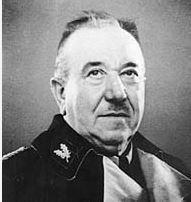
The enigmatic Thule Society came into existence in 1918, shaped by the vision of Rudolf von Sebottendorff. This period was marked by significant turmoil in Germany, following the end of World War I.
Rudolf von Sebottendorff and His Vision
Rudolf von Sebottendorff, the founder, was deeply influenced by mysticism and Germanic culture. His vision for the Thule Society was to create an organization that would explore these interests and potentially influence the political landscape of post-war Germany.
The Munich Years: 1918-1919
During its early years, the Thule Society operated primarily in Munich, a city that became a hub for various nationalist and secret societies. The group's activities during this period were focused on recruitment and establishing its organizational framework.
Early Meetings and Recruitment
The initial meetings of the Thule Society were characterized by a mix of mysticism, Germanic paganism, and anti-Semitic ideologies. Recruitment efforts targeted individuals who shared these interests and were potentially influential in German society.
Establishing the Organizational Framework
As the Thule Society grew, it became necessary to establish a more formal organizational structure. This included defining membership requirements, initiation rituals, and an internal hierarchy.
| Aspect | Description |
|---|---|
| Founding Year | 1918 |
| Founder | Rudolf von Sebottendorff |
| Primary Location | Munich |
| Key Activities | Mysticism, Recruitment, Organizational Setup |
Understanding the Thule Society Beliefs
The Thule Society's beliefs were rooted in a fervent adherence to Aryan supremacy, coupled with a revival of Germanic paganism and Norse mythology. This complex ideology significantly influenced their worldview and actions.
Aryan Supremacy and Racial Theories
The Thule Society strongly believed in Aryan supremacy, advocating for the superiority of the Aryan race. This belief was intertwined with various racial theories that emphasized the need for racial purity.
The Concept of "Pure Blood"
A key aspect of their racial ideology was the concept of "pure blood." The society believed that maintaining the purity of Aryan blood was crucial for preserving the race's strength and superiority. This idea was used to justify discriminatory practices against those deemed racially inferior.
Germanic Paganism and Norse Mythology
The Thule Society also drew heavily from Germanic paganism and Norse mythology, incorporating elements such as runic symbolism and mystical rituals into their practices. This revival of ancient beliefs was seen as a way to reconnect with the heritage of the Aryan people.
Anti-Semitic Ideologies and Rhetoric
A significant component of the Thule Society's beliefs was their anti-Semitic ideology. They viewed Jews as a threat to Aryan racial purity and societal norms, often employing virulent rhetoric against them. This anti-Semitic stance was a unifying factor among members and played a crucial role in shaping their political and social views.
The Thule Society's beliefs, though extreme and discriminatory, were a product of the tumultuous post-World War I Germany. Understanding these beliefs provides insight into the ideological underpinnings of the society and its influence on subsequent historical events.
Prominent Thule Society Members
Among the most significant figures in the Thule Society were individuals who shaped its ideology and actions. The society's influence was largely due to the contributions of its prominent members.
Rudolf von Sebottendorff: The Visionary Leader
Rudolf von Sebottendorff was the founder and a key figure in the Thule Society. His vision for the society was deeply rooted in Aryan supremacy and Germanic paganism. Sebottendorff's leadership played a crucial role in shaping the society's early years and its ideological stance.
Dietrich Eckart: Hitler's Mentor
Dietrich Eckart, another influential member, is often regarded as a mentor to Adolf Hitler. Eckart's connections and influence within the society helped bridge the gap between the Thule Society and the emerging Nazi Party.
Other Influential Figures
The Thule Society also included other notable members who contributed significantly to its ideology and operations.
Alfred Rosenberg and Ideological Development
Alfred Rosenberg was instrumental in developing the ideological framework of the Thule Society. His writings on Aryan supremacy and anti-Semitic ideologies were highly influential.
Hans Frank and Legal Frameworks
Hans Frank, who later became a prominent figure in Nazi Germany, contributed to the legal frameworks and structures within the society. His work had lasting impacts on the Nazi legal system.
| Member | Contribution |
|---|---|
| Rudolf von Sebottendorff | Founder and Leader |
| Dietrich Eckart | Mentor to Hitler |
| Alfred Rosenberg | Ideological Development |
| Hans Frank | Legal Frameworks |

The Thule Society's Organizational Structure
Understanding the Thule Society's organizational framework is crucial to grasping its influence on the rise of National Socialism. The society's structure was designed to support its ideological and political ambitions, blending mysticism with militant nationalism.
Membership Requirements and Initiation
Membership in the Thule Society was not open to everyone; candidates were carefully vetted based on their racial purity and commitment to the society's ideals. Initiation rituals were elaborate, involving esoteric practices and oaths of secrecy. As one historian noted, "The initiation rituals were designed to test the candidate's resolve and loyalty, ensuring that only the most dedicated individuals were admitted."
"The Thule Society's rituals were a mix of Germanic mysticism and anti-Semitic fervor, setting the tone for the member's future activities."
Internal Hierarchy and Leadership
The Thule Society was led by Rudolf von Sebottendorff, a charismatic figure who shaped the society's early years. The internal hierarchy was pyramidal, with higher ranks having access to more sensitive information and greater influence over the society's direction.
Funding Sources and Financial Operations
The society's financial operations were supported by wealthy patrons and membership dues. The exact extent of their financial resources remains a topic of debate among historians, but it is clear that the Thule Society had significant backing from influential circles.
The Thule Society's organizational structure was a critical factor in its ability to influence early 20th-century German politics. By understanding its membership requirements, internal hierarchy, and funding sources, we gain insight into how this enigmatic organization contributed to the rise of the Nazi Party.
Occult Practices of the Thule Society
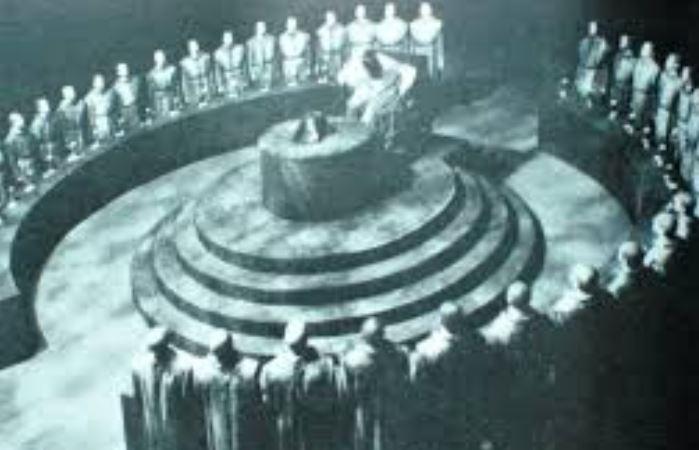
Delving into the mysteries of the occult, the Thule Society explored various esoteric practices that significantly influenced their ideology and activities. The group's involvement in occultism was not merely superficial; it was a core aspect of their belief system.
Mystical Rituals and Ceremonies
The Thule Society was known to conduct mystical rituals and ceremonies that were deeply rooted in Germanic paganism and Norse mythology. These rituals were designed to connect the participants with what they believed were ancient, powerful forces. The use of runic symbols and other esoteric elements was prevalent in these ceremonies.
Runic Symbolism and Germanic Magic
Runic symbolism played a crucial role in the Thule Society's occult practices. They believed that runes held magical properties and could be used for divination and to influence events. The society studied and utilized runic alphabets, attributing various mystical meanings to the symbols.
The Black Sun and Other Esoteric Symbols
One of the most significant esoteric symbols associated with the Thule Society is the Black Sun. This symbol, also known as "Schwarze Sonne" in German, was used in various occult contexts and became a powerful emblem within Nazi esotericism. The Black Sun symbolized the society's belief in a mystical, powerful energy that could be tapped into through rituals and other practices.
Pseudoscientific Theories and Beliefs
The Thule Society also embraced various pseudoscientific theories, including those related to Aryan supremacy and the origins of humanity. They believed in the existence of lost civilizations and advanced, ancient knowledge that could be uncovered through esoteric practices. These beliefs were often intertwined with their occult practices, creating a complex worldview that was both mystical and pseudoscientific.
The Thule Society and Nazi Germany Connection
As we explore the Thule Society's connection to Nazi Germany, we uncover a complex web of ideological and symbolic alignments that played a significant role in shaping the early 20th-century German political landscape.
Early Support for the German Workers' Party
The Thule Society was instrumental in supporting the German Workers' Party (DAP), which later became the Nazi Party. This support was crucial in the DAP's early development, providing both financial and ideological backing. The Thule Society's influence helped to legitimize the DAP among certain segments of the German population.
Key figures from the Thule Society, such as Dietrich Eckart, played a pivotal role in mentoring Adolf Hitler, introducing him to influential individuals and helping to shape his public image.
Influence on Hitler's Worldview
The Thule Society's beliefs in Aryan supremacy and anti-Semitic ideologies significantly influenced Hitler's worldview. The society's emphasis on Germanic paganism and Norse mythology also resonated with Hitler, who later incorporated these elements into Nazi ideology.
"The Thule Society was a breeding ground for the radical ideas that later became the hallmark of the Nazi regime."
Shared Symbols and Ideological Concepts
The Thule Society and Nazi Germany shared several symbols and ideological concepts, most notably the swastika. The swastika, an ancient symbol with various meanings across cultures, was adopted by the Thule Society and later by the Nazis as a symbol of their ideology.
The Swastika and Other Adopted Imagery
The adoption of the swastika by the Nazi Party is a well-documented example of the Thule Society's influence. Other imagery and symbols used by the Thule Society, such as runic symbols, were also incorporated into Nazi propaganda and ideology.
| Symbol | Original Meaning | Nazi Interpretation |
|---|---|---|
| Swastika | Good luck, prosperity | Aryan supremacy |
| Runic Symbols | Ancient Germanic alphabet | Mystical, magical significance |
The connection between the Thule Society and Nazi Germany is a complex and multifaceted one, involving the sharing of ideological concepts, symbols, and influential figures. Understanding this connection provides valuable insights into the roots of Nazi ideology and its enduring impact on history.
Political Activities and Influence
The Thule Society's political activities were multifaceted, involving various strategies to influence early 20th-century German politics. Their approach included publishing operations, propaganda efforts, and counter-revolutionary actions, all aimed at shaping the political landscape.
Publishing Operations and Propaganda
The Thule Society recognized the power of media in shaping public opinion. They operated several publishing ventures, most notably the Völkischer Beobachter newspaper.
The Völkischer Beobachter Newspaper
The Völkischer Beobachter served as a crucial tool for disseminating the Thule Society's ideology. It promoted nationalist and anti-Semitic views, influencing a wide audience.
Key aspects of their publishing operations included:
- Promoting nationalist ideologies through carefully crafted editorials
- Publishing anti-Semitic content to fuel existing prejudices
- Distributing propaganda materials to a wide audience
Counter-Revolutionary Actions
The Thule Society was actively involved in counter-revolutionary activities, aiming to suppress communist and socialist movements in Germany.
Their actions included:
- Supporting Freikorps units in their fights against socialist groups
- Organizing protests and demonstrations against leftist ideologies
- Providing financial backing to anti-communist organizations
Network Building with Other Nationalist Groups
The Thule Society understood the importance of alliances in achieving their goals. They built a network of relationships with other nationalist groups, strengthening their influence.

By forging these connections, the Thule Society was able to amplify their impact on German politics, creating a more significant presence in the nationalist movement.
The Decline and Legacy of the Thule Society
Despite its eventual decline, the Thule Society left an indelible mark on the Nazi regime. As the society's influence waned, its ideologies and members were absorbed into the Nazi party, ensuring its legacy endured.
Absorption into Nazi Organizations
The Thule Society's membership and ideologies were gradually absorbed into the Nazi party. Many of its prominent members, including Dietrich Eckart, played crucial roles in shaping Hitler's worldview and the Nazi party's early development.
This absorption not only helped solidify Nazi ideologies but also provided the party with a network of influential individuals who shared the Thule Society's extreme nationalist and anti-Semitic views.
Sebottendorff's Exile and Later Years
Rudolf von Sebottendorff, the founder of the Thule Society, went into exile in 1933. His departure was largely due to the Nazi party's increasing suspicion of independent secret societies.
Sebottendorff's later years were marked by a complex relationship with the Nazi regime. Despite his initial support for Hitler, he eventually became disillusioned with the party's direction.
Lasting Ideological Impact
The Thule Society's lasting ideological impact on Nazi Germany cannot be overstated. Its emphasis on Aryan supremacy, Germanic paganism, and anti-Semitic rhetoric significantly influenced the Nazi party's policies and propaganda.
The society's ideologies, though not directly responsible for the atrocities committed by the Nazi regime, contributed to the climate of hatred and intolerance that characterized the era.
In conclusion, the Thule Society's decline was a result of its absorption into the Nazi party, but its legacy continued to shape Nazi ideologies. Understanding this legacy is crucial to grasping the full significance of the Thule Society in history.
Modern Conspiracy Theories Surrounding the Thule Society
The mystique surrounding the Thule Society has led to a plethora of conspiracy theories that continue to captivate the imagination of many. These theories often revolve around the society's alleged involvement in supernatural and occult practices.
Claims of Supernatural Powers and Abilities
One of the most enduring conspiracy theories surrounding the Thule Society is the claim that its members possessed supernatural powers and abilities. Proponents of this theory often point to the society's interest in mysticism and the occult as evidence of their alleged supernatural exploits.
Supernatural claims have been a staple of Thule Society conspiracy theories, with some theorists even suggesting that the society was involved in paranormal activities.
Alleged Connections to Other Secret Societies
The Thule Society has also been linked to other secret societies and conspiracy theories. Some theorists believe that the Thule Society was part of a larger network of secret societies that shaped world events.
- Alleged connections to the Nazi Party
- Speculated ties to other occult organizations
- Claims of influencing global events from behind the scenes
Portrayals in Popular Culture and Media
The Thule Society's mystique has also been perpetuated through its portrayal in popular culture and media. From books to films, the Thule Society has been depicted as a shadowy organization with sinister intentions.
These portrayals often draw on the society's real-life connections to Nazism and the occult, further fueling conspiracy theories.
Conclusion: Understanding the Historical Significance of the Thule Society
The Thule Society played a pivotal role in shaping the ideological landscape of early 20th-century Germany. As a secret society, it fostered an environment where extreme nationalist and anti-Semitic views could flourish, ultimately influencing the rise of Nazi Germany.
The Thule Society's emphasis on Aryan supremacy, Germanic paganism, and Norse mythology contributed to the development of a unique ideological framework that resonated with many Germans during a time of social and economic turmoil.
Understanding the Thule Society's history and significance provides valuable insights into the complexities of Nazi ideology and the factors that led to its rise. The society's legacy serves as a reminder of the dangers of extremist ideologies and the importance of promoting tolerance and understanding.
By examining the Thule Society's beliefs, practices, and influence, we can gain a deeper understanding of this enigmatic group and its lasting impact on history.
FAQ
What was the Thule Society?
The Thule Society was a mysterious organization that emerged in post-World War I Germany, known for its nationalist and occult practices.
Who founded the Thule Society?
The Thule Society was founded by Rudolf von Sebottendorff, a German occultist and nationalist.
What were the main beliefs of the Thule Society?
The Thule Society adhered to Aryan supremacy, racial theories, Germanic paganism, and anti-Semitic ideologies, with a strong emphasis on the concept of "pure blood."
How did the Thule Society influence Nazi Germany?
The Thule Society provided early support for the German Workers' Party, which later became the Nazi Party, and influenced Hitler's worldview through shared symbols and ideological concepts.
What was the significance of the Thule Society's occult practices?
The Thule Society's occult practices, including mystical rituals and runic symbolism, played a significant role in shaping their ideology and worldview.
Are there any conspiracy theories surrounding the Thule Society?
Yes, modern conspiracy theories surrounding the Thule Society include claims of supernatural powers, alleged connections to other secret societies, and portrayals in popular culture and media.
What is the legacy of the Thule Society?
The Thule Society's legacy includes its lasting ideological impact on Nazi Germany and its continued presence in modern conspiracy theories and popular culture.
How did the Thule Society's activities eventually decline?
The Thule Society's activities declined as its members were absorbed into Nazi organizations, and its leader, Rudolf von Sebottendorff, went into exile.
What was the Thule Society's connection to other nationalist groups?
The Thule Society built networks with other nationalist groups, furthering their ideological goals and influencing the broader nationalist movement in Germany.