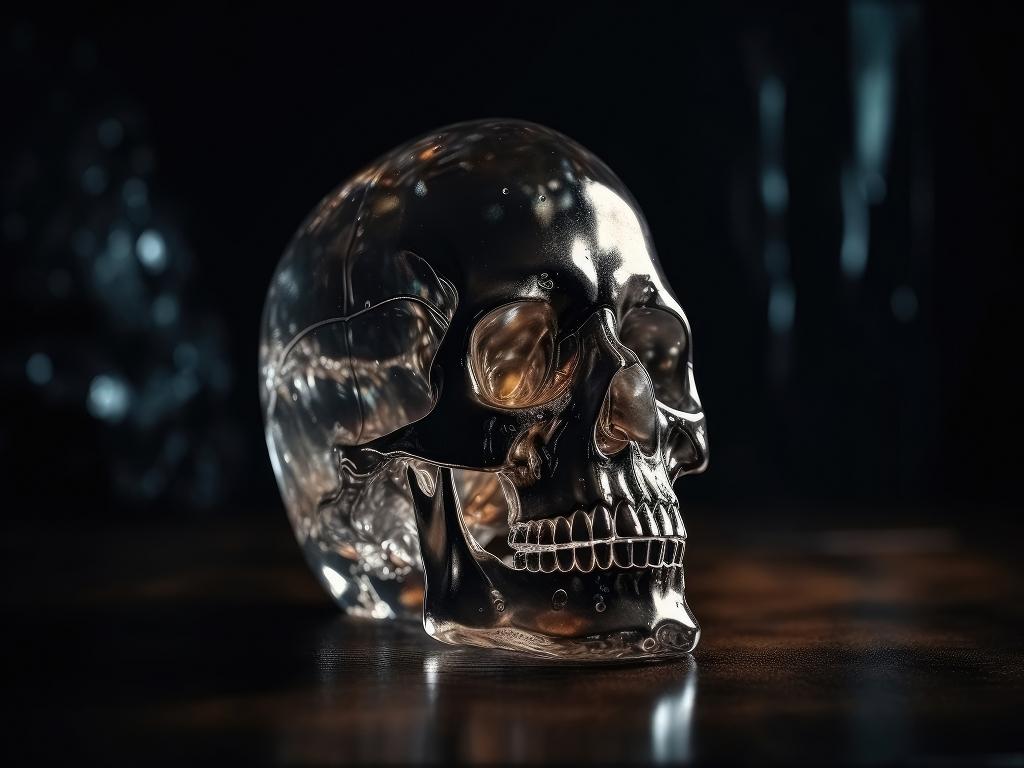
Explore the Captivating Crystal Skull
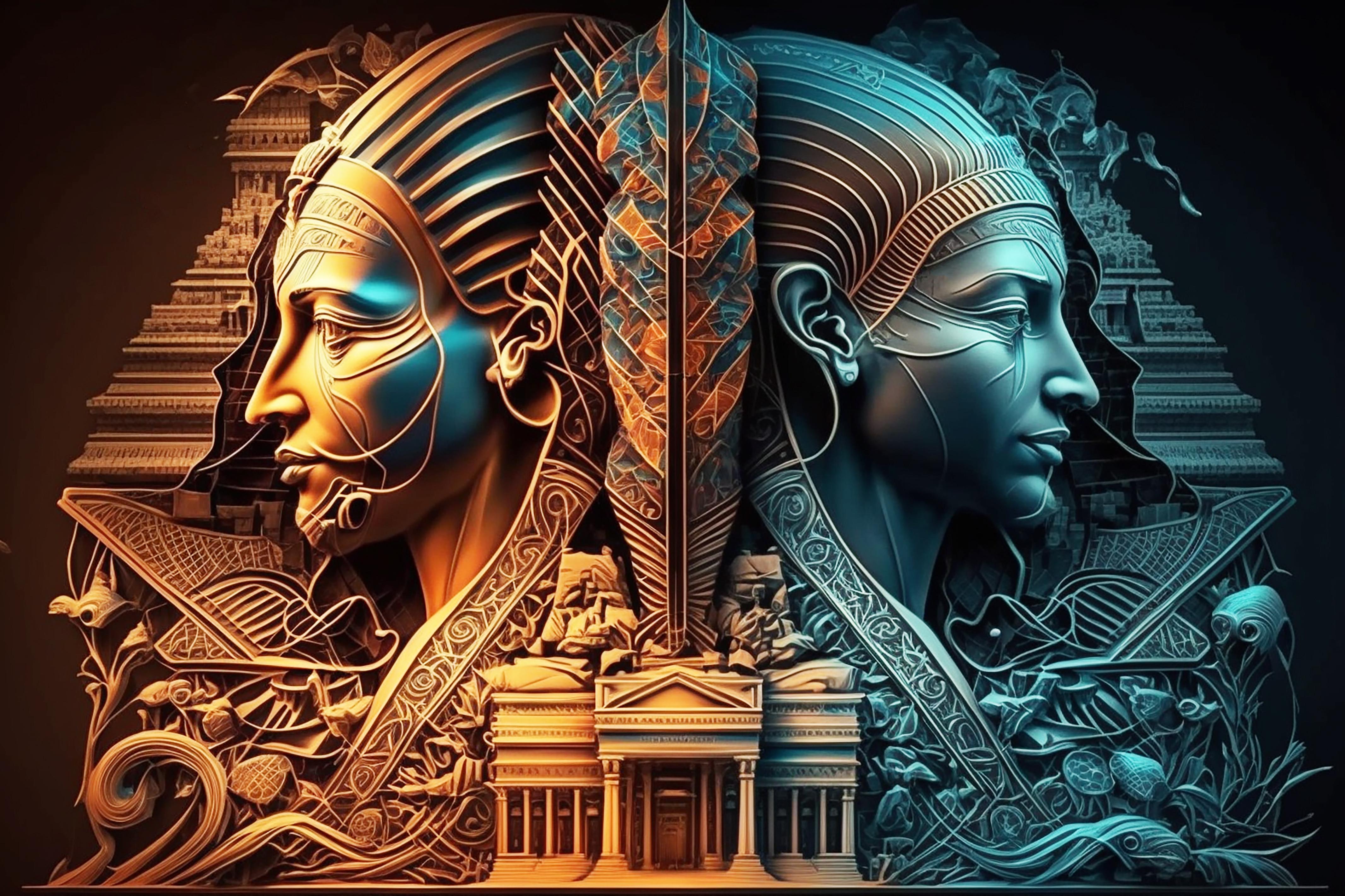
The world of crystal skulls is shrouded in mystery and intrigue. These intricately carved artifacts have captivated the imagination of many, sparking curiosity about their origins and significance.

With their enigmatic presence, crystal skulls have become a topic of fascination, inspiring numerous theories and legends. As we embark on this journey of discovery, we will delve into the history, cultural significance, and mystique surrounding these captivating artifacts.
Key Takeaways
- Crystal skulls are mysterious artifacts with intricate carvings.
- Their origins and significance are still unknown.
- Crystal skulls have sparked numerous theories and legends.
- These artifacts continue to captivate the imagination of many.
- The history and cultural significance of crystal skulls are worth exploring.
The Enigmatic World of Crystal Skulls
The crystal skull, an enigmatic artifact, has captivated the imagination of many. These intricately carved objects have sparked curiosity and fascination worldwide, leading to numerous questions about their origins and significance.
What Are Crystal Skulls?
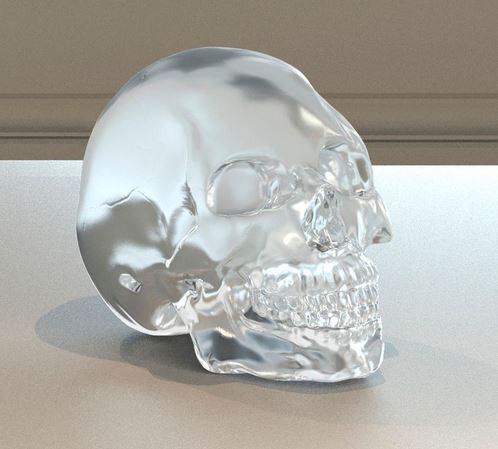
Crystal skulls are intricately carved crystal objects that resemble human skulls. They are often associated with ancient civilizations and are believed to hold spiritual or mystical significance. The crystal skull meaning is multifaceted, with various interpretations across different cultures and belief systems.
These skulls are typically made from clear or colored quartz crystal and are carved with precise details, often representing human skulls. The craftsmanship involved in creating these objects is remarkable, given the hardness of the crystal material.
The Allure of These Mysterious Artifacts
The crystal skull significance lies in their mystique and the aura of mystery surrounding them. Many believe that these skulls possess healing properties or are connected to ancient knowledge. The allure of crystal skulls is also linked to their beauty and the skill involved in their creation.
The fascination with ancient crystal skull artifacts continues to grow, with many seeking to understand their origins and potential uses. Whether viewed as spiritual tools or historical artifacts, crystal skulls remain captivating objects that inspire curiosity and wonder.
The Origin Story: Ancient Mystery or Modern Creation?
The enigmatic crystal skulls have been at the center of a heated debate regarding their history. Are they relics from ancient civilizations, or are they more modern creations? This controversy has sparked intense interest and speculation among historians, archaeologists, and enthusiasts alike.
Pre-Columbian Claims
One of the most enduring theories surrounding crystal skulls is that they originated in pre-Columbian times. Proponents of this theory argue that these artifacts were created by ancient cultures, such as the Maya or Aztecs, for ritualistic or ceremonial purposes. Some believe that these skulls hold spiritual significance, serving as vessels for ancient knowledge or as tools for divination.
For instance, the famous Mitchell-Hedges skull is often cited as an example of a pre-Columbian crystal skull. However, the authenticity of such claims remains a topic of debate. While some attribute these skulls to ancient craftsmanship, others argue that they lack concrete evidence linking them to pre-Columbian cultures.
Scientific Dating Controversies
Scientific dating methods have been employed to determine the age of crystal skulls, but these efforts have been met with controversy. Techniques such as radiocarbon dating are not applicable to crystal objects, leading researchers to rely on other methods, including stylistic analysis and geological provenance studies.
"The dating of crystal skulls is a complex issue, as the materials they are made from do not lend themselves to conventional dating techniques."
This limitation has resulted in a lack of consensus regarding the age of crystal skulls. While some argue that certain skulls may be ancient, others contend that they are relatively modern creations, potentially crafted in the 19th or 20th centuries.
The debate surrounding the origin of crystal skulls continues, with proponents on both sides presenting compelling arguments. As research and analysis progress, a clearer understanding of these enigmatic artifacts may emerge, shedding light on their place within crystal skull history and the theories surrounding them.
The History of Crystal Skull Discoveries
Delving into the history of crystal skulls reveals a complex narrative of discovery and speculation. The story of these enigmatic artifacts is woven with threads of mystery, cultural significance, and scientific inquiry.
Early Findings and Documentation
The earliest recorded discoveries of crystal skulls date back to the mid-19th century. One of the first documented cases was in 1850 when a crystal skull was discovered in Mexico. Early findings were often shrouded in mystery, with many skulls being sold or traded without clear documentation of their origin.
The lack of clear provenance for many crystal skulls has led to controversy over their authenticity and age. Despite these challenges, researchers have continued to study these artifacts, seeking to understand their significance and history.
Key Historical Figures in Crystal Skull Research
Several key historical figures have played a significant role in the study and popularization of crystal skulls. One such figure is F.A. Mitchell-Hedges, who discovered the famous "Skull of Doom" in the 1920s. Mitchell-Hedges' discovery catapulted crystal skulls into the public imagination, sparking widespread interest and speculation.
Other researchers, collectors, and explorers have also contributed to the body of knowledge surrounding crystal skulls. Their work has helped to shed light on the cultural and historical contexts of these artifacts.
Timeline of Major Discoveries
Creating a timeline of major discoveries helps to clarify the history of crystal skulls. Here is a summary of significant events:
| Year | Event | Description |
|---|---|---|
| 1850 | First documented crystal skull discovery | A crystal skull was discovered in Mexico, marking the beginning of recorded history for these artifacts. |
| 1920s | F.A. Mitchell-Hedges' discovery | The "Skull of Doom" was discovered, drawing significant public attention to crystal skulls. |
| 1990s | Scientific analysis advances | Advances in technology allowed for more sophisticated analysis of crystal skulls, including dating and material composition studies. |
The study of crystal skulls continues to evolve, with new discoveries and analyses shedding light on their mysterious past. As we continue to unravel the history of these artifacts, we gain a deeper understanding of their cultural significance and the role they play in human history.
Famous Crystal Skulls Throughout History
Throughout history, certain crystal skulls have emerged as particularly noteworthy, drawing interest from both the public and researchers. These artifacts have not only captivated the imagination of many but have also contributed significantly to the broader understanding of crystal skulls.
The Mitchell-Hedges Skull: "Skull of Doom"
The Mitchell-Hedges Skull, also known as the "Skull of Doom," is one of the most famous crystal skulls. It is believed to have been discovered by F.A. Mitchell-Hedges in the 1920s during an expedition to Belize. This skull is carved from a single piece of clear quartz and is considered to be one of the most intricate and well-crafted crystal skulls known.
The Mitchell-Hedges Skull has been associated with various legends and is said to possess mystical properties. Its history and significance have been the subject of much speculation, with some believing it to be an ancient artifact of the Mayan civilization.
The British Museum Skull
The British Museum houses a crystal skull that is considered to be one of the most significant in the world. This skull is made from a single piece of rock crystal and is believed to have originated from the Aztec or Mayan civilization. The British Museum Skull has been the subject of extensive study, providing valuable insights into the craftsmanship and cultural significance of crystal skulls.
The Paris Skull at Musée du Quai Branly
The Musée du Quai Branly in Paris is home to a crystal skull that is part of its collection of indigenous American artifacts. This skull is notable for its intricate carvings and is believed to have been created by a pre-Columbian civilization. The Paris Skull is an important example of the cultural and spiritual significance of crystal skulls in ancient American cultures.
The Smithsonian's Crystal Skull
The Smithsonian Institution has a crystal skull in its collection, which has been the subject of scientific study. The Smithsonian's Crystal Skull is made from a single piece of quartz crystal and is believed to have been created using advanced lapidary techniques. The study of this skull has provided valuable insights into the technological capabilities of ancient civilizations.
The study of these famous crystal skulls has contributed significantly to our understanding of their cultural and historical significance. Each of these skulls provides a unique window into the beliefs, practices, and technological capabilities of the civilizations that created them.
Archaeological Perspectives on Crystal Skulls
The crystal skull phenomenon has long fascinated archaeologists, sparking debates about their origins and significance. As we delve into the archaeological perspectives on these enigmatic artifacts, it's essential to consider the views of mainstream archaeology and the evidence both for and against their authenticity.
What Mainstream Archaeology Says
Mainstream archaeology approaches crystal skulls with a healthy dose of skepticism, questioning their pre-Columbian origins. Many experts argue that the skulls are modern creations, crafted using advanced tools and techniques that would not have been available to ancient civilizations. This perspective is supported by studies showing that some crystal skulls exhibit characteristics inconsistent with known pre-Columbian artifacts, such as the use of modern lapidary techniques.
The skepticism is further fueled by the lack of documented archaeological contexts for most crystal skulls, making it difficult to verify their age and provenance. As a result, many crystal skulls are considered to be modern artifacts with uncertain historical significance.
Evidence and Counter-Evidence
Despite the skepticism, some researchers present counter-evidence suggesting that certain crystal skulls could be of ancient origin. They point to the exceptional craftsmanship and the fact that some skulls show signs of wear consistent with long-term handling or ritual use. However, these claims are often met with counter-arguments that the observed wear could result from modern handling or display practices.
The debate surrounding crystal skulls highlights the complexities of archaeological inquiry, where evidence and counter-evidence are carefully weighed. As new techniques and analyses become available, our understanding of these enigmatic objects may evolve, potentially shedding more light on their place in crystal skull history and the validity of various crystal skull theories.
The Cultural Significance of the Crystal Skull
The cultural significance of crystal skulls is multifaceted, reflecting the diverse perspectives of the communities that revered them. These artifacts have captivated human imagination, embodying various aspects of cultural, spiritual, and historical significance.
Mayan and Aztec Connections
The crystal skull is often associated with the ancient Mayan and Aztec civilizations. These cultures believed that crystal skulls held spiritual significance, potentially serving as vessels for knowledge or as symbols of power. The intricate craftsmanship of these skulls reflects the advanced skill and artistry of these ancient cultures.
In Mayan and Aztec mythology, skulls were often seen as symbols of death and rebirth, representing the cycle of life. The crystal material, with its translucent and luminous qualities, may have been seen as embodying spiritual or mystical properties.
Other Indigenous Perspectives
Beyond Mayan and Aztec cultures, other indigenous communities have their own interpretations of crystal skulls. Some Native American tribes view these artifacts as sacred objects, associated with ancestral wisdom and spiritual practices.
A comparative analysis of different indigenous perspectives on crystal skulls reveals a shared theme of reverence for these objects as sacred or spiritually significant. The table below summarizes some of these perspectives:
| Culture | Significance of Crystal Skulls |
|---|---|
| Mayan | Symbols of power and knowledge |
| Aztec | Associated with death and rebirth rituals |
| Native American | Sacred objects linked to ancestral wisdom |
The diverse perspectives on crystal skulls underscore their importance in the cultural heritage of various communities. Understanding these significance and meanings provides a deeper appreciation for these enigmatic artifacts.
Mystical Properties and Spiritual Beliefs
The mystical and spiritual beliefs surrounding crystal skulls have captivated individuals worldwide. Many people believe that these artifacts hold significant spiritual and mystical properties, making them valuable tools for personal growth and healing.
Energy Healing Claims
One of the most prevalent beliefs about crystal skulls is their ability to facilitate energy healing. Practitioners claim that these skulls can absorb, store, and emit energy, which can be used to balance and align the body's energy centers. Some believe that by placing a crystal skull on a specific area of the body, they can channel its energy to promote healing and relaxation.
Energy healing with crystal skulls is often associated with reducing stress, improving mental clarity, and enhancing overall well-being. While scientific evidence supporting these claims is limited, many individuals report positive experiences and benefits from using crystal skulls in their healing practices.
| Healing Property | Description |
|---|---|
| Energy Absorption | Crystal skulls are believed to absorb negative energy, promoting a balanced environment. |
| Energy Emission | They are thought to emit positive energy, which can be used for healing purposes. |
| Meditation Enhancement | Crystal skulls are used to enhance meditation practices, promoting deeper states of relaxation and awareness. |
Divination and Psychic Connections
Crystal skulls are also associated with divination and psychic connections. Some believe that these artifacts can serve as portals to other dimensions or as tools for communicating with spiritual guides. Practitioners may use crystal skulls in divination rituals to gain insight into the future or to understand hidden aspects of themselves.
The mysterious crystal skull is often seen as a bridge between the physical and spiritual realms, facilitating a deeper understanding of the universe and one's place within it.
Crystal Skull Meditation Practices
Meditation practices involving crystal skulls are another significant aspect of their spiritual significance. By focusing on a crystal skull during meditation, individuals can allegedly access higher states of consciousness and connect with the skull's purported energy. This practice is believed to promote inner peace, clarity, and spiritual growth.
Many people incorporate crystal skulls into their meditation routines, using them as focal points to quiet the mind and access deeper levels of awareness. The crystal skull meaning in this context is closely tied to the individual's personal journey and spiritual exploration.
In conclusion, the mystical properties and spiritual beliefs associated with crystal skulls are diverse and multifaceted. Whether used for energy healing, divination, or meditation, these artifacts continue to captivate individuals seeking spiritual growth and a deeper connection to the mysterious and unknown.
Scientific Examinations and Findings
Through advanced scientific techniques, researchers have gained insights into the mysteries of crystal skulls. These artifacts have been subject to various examinations to determine their authenticity, composition, and possible origins.
Microscopic Analysis Results
Microscopic analysis has revealed detailed information about the surface features of crystal skulls. Researchers have observed tool marks, polishing patterns, and other signs of craftsmanship that provide clues about their creation.
Material Composition Studies
Studies on the material composition of crystal skulls have identified the types of quartz used and their geological sources. This information is crucial in understanding the technological capabilities of the cultures that created these artifacts.
Tool Mark Evidence
Tool mark evidence on crystal skulls indicates the methods used in their creation. The presence of certain types of marks can suggest the use of specific tools or techniques, potentially linking the skulls to particular cultures or time periods.
Crystallographic Analysis
Crystallographic analysis has provided insights into the internal structure of the quartz used in crystal skulls. This analysis can reveal whether the quartz was sourced from a single crystal or if it was composite, affecting our understanding of the skulls' origins.
| Analysis Type | Findings | Implications |
|---|---|---|
| Microscopic Analysis | Tool marks, polishing patterns | Insights into craftsmanship and creation methods |
| Material Composition | Types of quartz, geological sources | Understanding technological capabilities and origins |
| Crystallographic Analysis | Internal structure of quartz | Determining if quartz is single or composite |
The scientific examination of crystal skulls continues to uncover their secrets, providing a fascinating glimpse into the cultures that created these enigmatic artifacts. By combining various analytical techniques, researchers can piece together the history and significance of these intriguing objects.
Theories About the Mysterious Crystal Skull
The mysterious crystal skull continues to be a subject of fascination and speculation. Over the years, various theories have emerged to explain its origins and significance. These theories range from the plausible to the extraordinary, reflecting the diverse perspectives on this enigmatic artifact.
Some of the most intriguing theories surrounding the crystal skull involve its potential connection to otherworldly or advanced ancient civilizations. Let's explore some of these theories in more detail.
Extraterrestrial Origin Theories
One of the most speculative theories is that crystal skulls are of extraterrestrial origin. Proponents of this theory suggest that these skulls were created by beings from another world and left on Earth as a gift or a message. While this theory is largely anecdotal and lacks concrete evidence, it has captured the imagination of many enthusiasts.
Some believe that the crystal skulls contain encoded information or serve as a conduit for communication with other forms of life. Experts have examined the skulls using various scientific methods, but so far, no conclusive evidence has been found to support the extraterrestrial origin theory.
Ancient Advanced Civilization Hypotheses
Another theory posits that crystal skulls were created by an advanced ancient civilization that possessed knowledge and technology beyond what we currently understand. This hypothesis suggests that these civilizations may have had the capability to craft such intricate objects using techniques that have been lost over time.
Some researchers point to the remarkable craftsmanship and the high level of precision evident in the crystal skulls as evidence of an advanced civilization. However, mainstream archaeology remains skeptical, attributing the craftsmanship to the known skills of ancient cultures.
Knowledge Repository Theories
A more nuanced theory proposes that crystal skulls serve as repositories of knowledge, containing information about the past, spiritual insights, or even secrets of the universe. Some believe that these skulls can be used as tools for meditation, healing, or divination.
| Theory | Description | Key Features |
|---|---|---|
| Extraterrestrial Origin | Crystal skulls are from another world | Encoded information, otherworldly materials |
| Ancient Advanced Civilization | Created by advanced ancient cultures | Advanced craftsmanship, lost technologies |
| Knowledge Repository | Contain spiritual or historical knowledge | Meditation, healing, divination |

In conclusion, the theories surrounding the crystal skull are as diverse as they are fascinating. While some theories may seem more plausible than others, they all contribute to the enduring mystique of these enigmatic artifacts.
Crystal Skulls in Popular Culture
The allure of crystal skulls extends far beyond their historical significance, permeating various aspects of modern pop culture. These enigmatic artifacts have captivated the imagination of creators and audiences alike, inspiring numerous references in films, literature, and other media.
Indiana Jones and Hollywood Representations
One of the most iconic representations of crystal skulls in popular culture is in the Indiana Jones franchise, specifically in "Indiana Jones and the Kingdom of the Crystal Skull." This 2008 film brought the legend of the crystal skull to a wide audience, weaving a narrative that intertwines historical mystery with action and adventure. The film's portrayal of crystal skulls as powerful, ancient artifacts resonated with the public, further cementing their place in popular culture. The crystal skull legend has been a subject of fascination, symbolizing mystical power and ancient wisdom.
Literary References and Modern Media
Beyond Hollywood, crystal skulls have been referenced in various literary works and modern media, often symbolizing mystery, ancient knowledge, and spiritual significance. Authors and creators have drawn upon the crystal skull meaning to add depth and intrigue to their stories, tapping into the public's fascination with these artifacts. The significance of crystal skulls in popular culture is a testament to their enduring mystique and the crystal skull significance they hold in the collective imagination.
The presence of crystal skulls in popular culture not only reflects their historical and mystical importance but also highlights their versatility as a cultural symbol. As such, they continue to inspire new works and captivate audiences worldwide.
The Legend of the Thirteen Crystal Skulls
Embedded in the annals of mystical lore, the legend of the thirteen crystal skulls presents a compelling narrative of mystery and intrigue. This captivating tale has woven together threads of ancient prophecy, mystic power, and spiritual significance, drawing in enthusiasts and skeptics alike.
The Prophecy and Its Origins
The prophecy surrounding the thirteen crystal skulls is deeply rooted in ancient cultures, particularly among the indigenous peoples of Mesoamerica. It is believed that these crystal skulls hold the key to understanding significant global changes and transformations. The origins of this prophecy are shrouded in mystery, with various interpretations emerging over time.
Some believe that the crystal skulls are remnants of an advanced civilization, possibly of extraterrestrial origin, while others see them as sacred objects created by ancient cultures for spiritual and ceremonial purposes. The prophecy suggests that when all thirteen skulls are gathered, they will reveal profound knowledge and potentially trigger a significant shift in human consciousness.
Gatherings and Ceremonies
The gatherings and ceremonies associated with the crystal skulls are an integral part of the legend. Many believe that these events are crucial for activating the skulls' purported mystical properties. These ceremonies often involve meditation, prayer, and rituals aimed at harnessing the energy of the crystal skulls.
Some modern spiritual groups and individuals continue these practices, believing that the crystal skulls can serve as tools for healing, divination, and spiritual growth. The gatherings are often seen as opportunities for like-minded individuals to come together, share knowledge, and participate in collective ceremonies to honor the crystal skulls and their associated prophecies.
As the legend of the thirteen crystal skulls continues to evolve, it remains a fascinating topic that bridges ancient mysticism with contemporary spiritual practices. Whether viewed through the lens of mythology, spirituality, or historical inquiry, the legend of the crystal skulls remains a captivating and thought-provoking phenomenon.
Where to See Authentic Crystal Skulls
Crystal skull enthusiasts can explore these enigmatic artifacts up close at various museums and private collections around the world. For those eager to witness the mystique of these skulls firsthand, there are numerous options to consider.
Museum Exhibitions Worldwide
Many renowned museums house crystal skulls, offering a glimpse into their historical and cultural significance. The British Museum in London and the Smithsonian Institution in Washington, D.C., are among the prestigious institutions that have featured crystal skull exhibitions. These museums provide a platform for the public to engage with these artifacts, often accompanied by detailed information about their origins and significance.

Private Collections Open to the Public
In addition to museums, some private collectors open their collections to the public, either through exhibitions or by invitation. These private collections, such as those associated with the Mitchell-Hedges legacy, offer a unique insight into the world of crystal skulls. They often provide a more intimate setting for understanding the cultural and spiritual beliefs associated with these artifacts.
Whether in a museum or a private collection, experiencing crystal skulls in person can be a profound experience, allowing visitors to connect with the history and mystique surrounding these ancient crystal skulls.
Conclusion: The Enduring Fascination with Crystal Skulls
The crystal skulls have captivated human imagination for centuries, and their mystique continues to inspire wonder and curiosity. The significance of these artifacts lies not only in their beauty but also in the crystal skull meaning they hold for various cultures and individuals.
Throughout this article, we have explored the history, cultural significance, and mystical properties associated with crystal skulls. From their origins to their presence in popular culture, the crystal skull legend has evolved, captivating audiences worldwide.
The crystal skull significance extends beyond their historical or archaeological value, as they are believed to possess spiritual and healing properties. As we continue to uncover the secrets surrounding these enigmatic artifacts, their allure remains unchanged, inspiring a new generation of enthusiasts and researchers.
As we conclude our exploration of crystal skulls, it becomes evident that their fascination lies in the intersection of history, mystery, and spirituality. The legend of the crystal skulls continues to captivate us, inviting us to explore the depths of their significance and meaning.
FAQ
What is the significance of crystal skulls in ancient cultures?
Crystal skulls are believed to hold spiritual significance and are often associated with ancient cultures, such as the Mayan and Aztec civilizations, where they were considered sacred objects.
Are crystal skulls authentic ancient artifacts?
The authenticity of crystal skulls is a topic of debate, with some being considered genuine ancient artifacts, while others are believed to be modern creations or forgeries.
What are some of the theories surrounding the origin of crystal skulls?
Theories about the origin of crystal skulls include extraterrestrial origin theories, ancient advanced civilization hypotheses, and knowledge repository theories, among others.
Can crystal skulls be used for healing or divination purposes?
Some people believe that crystal skulls possess mystical properties and can be used for energy healing, divination, or psychic connections, although these claims are not scientifically proven.
Where can I see authentic crystal skulls?
Authentic crystal skulls can be found in various museum exhibitions worldwide, as well as in some private collections that are open to the public.
What is the legend of the thirteen crystal skulls?
The legend of the thirteen crystal skulls refers to a prophecy that suggests that when all thirteen skulls are gathered together, they will reveal a significant message or purpose, although the origins and details of this legend are not well-documented.
How are crystal skulls represented in popular culture?
Crystal skulls have been featured in various films, such as Indiana Jones, and have been referenced in literature and modern media, often symbolizing mystery, ancient wisdom, or supernatural power.
What do mainstream archaeologists say about crystal skulls?
Mainstream archaeology is skeptical about the authenticity of many crystal skulls, suggesting that some may be modern creations or have been misattributed to ancient cultures.