

How Meridians Influence Your Daily Life
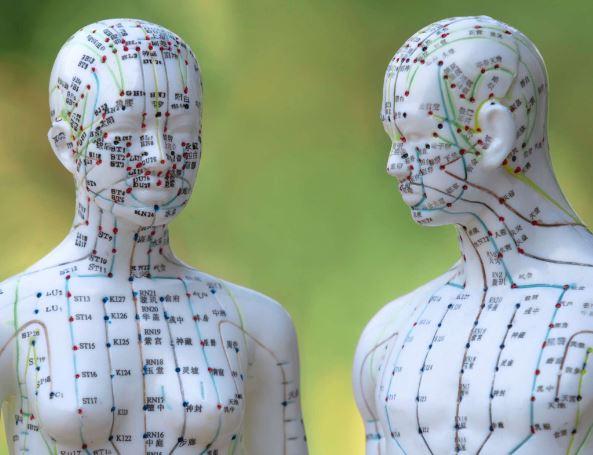
In traditional Chinese medicine, meridians are believed to be the pathways through which the body's energy, or "qi," flows. The concept of meridians is central to understanding meridian therapy and its impact on our overall well-being.

The idea is that when the flow of energy through these meridians is disrupted, it can lead to various health issues. By understanding how energy flow in the body works, we can take steps to maintain balance and harmony in our daily lives.
Key Takeaways
- Meridians are pathways for the body's energy flow.
- Meridian therapy is based on the concept of balancing the body's energy.
- Disruptions in energy flow can lead to health issues.
- Understanding meridians can help maintain overall well-being.
- Balancing energy flow is crucial for daily health.
Understanding Meridians: The Body's Energy Pathways
Meridians, or energy channels, are fundamental to understanding how our bodies function according to traditional Chinese medicine. These pathways are believed to be the routes through which Qi, or life energy, flows.
To grasp the concept of meridians fully, it's essential to understand their role in holistic health. Meridians are not just physical pathways but are also closely linked to our emotional and spiritual well-being.
What Are Meridians in Traditional Chinese Medicine?
In traditional Chinese medicine, meridians are described as channels or pathways through which Qi flows. There are 12 primary meridians, each associated with a specific organ or function in the body.
The 12 Primary Meridians and Their Functions
The 12 primary meridians are crucial for maintaining health and balance. Here's a brief overview:
| Meridian | Associated Organ | Function |
| Lung Meridian | Lungs | Respiration and Qi distribution |
| Liver Meridian | Liver | Detoxification and energy storage |
| Heart Meridian | Heart | Circulation and emotional balance |
The Concept of Qi Energy Flow
The flow of Qi through the meridians is crucial for our health. When Qi flows freely, we are healthy. Blockages or imbalances in Qi flow can lead to various health issues.
Understanding meridians and Qi energy flow can provide insights into maintaining our health and well-being, aligning with the principles of holistic health.
The Historical Roots of Meridian Theory
Meridian theory, a fundamental aspect of traditional Chinese medicine, has a rich history that spans centuries. The concept of meridians and the flow of Qi energy through the body has been a cornerstone of Chinese medical practices, influencing various aspects of traditional healing.
Ancient Chinese Origins of Meridian Knowledge
The earliest recorded evidence of meridian theory dates back to the Shang Han Lun (Treatise on Cold Damage), an ancient Chinese medical text written around 220 AD. This foundational text laid the groundwork for understanding the 12 primary meridians and their roles in health and disease.
Evolution of Meridian Understanding Through Centuries
Over time, the understanding of meridians evolved through observations, clinical practices, and the contributions of numerous practitioners. Key developments include:
- The identification of additional meridians beyond the 12 primary ones
- Refinements in techniques for diagnosing meridian imbalances
- Advancements in therapies such as acupuncture and moxibustion
How Meridian Theory Spread to Western Cultures
Meridian theory was introduced to Western cultures through various channels, including trade routes and cultural exchanges. In recent decades, there's been a growing interest in traditional Chinese medicine, leading to increased research and integration of meridian-based therapies into Western healthcare practices.
The historical roots of meridian theory provide a fascinating glimpse into the development of traditional Chinese medicine. By understanding this history, we can better appreciate the role of meridians in health and wellness.
The Scientific Perspective on Meridians
Advances in bioelectrical research have provided new insights into the ancient concept of meridians and their role in human health. Modern science is increasingly validating the traditional Chinese medicine concept of meridians through various studies and research.
Modern Research on Bioelectrical Pathways
Recent studies have shown that the body's bioelectrical pathways may correlate with the meridian system described in traditional Chinese medicine. Research using advanced imaging techniques has identified electrical conductivity patterns in the body that align with known meridian pathways. These bioelectrical pathways are believed to play a crucial role in the body's energy flow and overall health.
Fascia Connections and Meridian Correlations
The fascia, a network of connective tissue that surrounds muscles and organs, has been found to have connections with the meridian system. Studies suggest that the fascia may serve as a physical substrate for the meridians, providing a potential link between traditional meridian theory and modern anatomical understanding. This correlation highlights the importance of fascia health in maintaining balanced energy flow.
Scientific Studies Supporting Meridian Therapy Effectiveness
Numerous scientific studies have investigated the effectiveness of meridian-based therapies, such as acupuncture. These studies have shown that such therapies can have positive effects on various health conditions, including pain management, stress reduction, and improved overall well-being. The evidence supports the idea that meridian therapy can be a valuable adjunct to conventional medical treatments.
In conclusion, the scientific perspective on meridians is evolving, with research providing new insights into their role in human health. By understanding the connections between bioelectrical pathways, fascia, and meridian therapy, we can better appreciate the potential benefits of this ancient practice in modern healthcare.
How Meridians Influence Your Daily Life
Meridians, or energy pathways, have a profound impact on our daily lives, affecting everything from our energy levels to our physical performance. The flow of energy, or Qi, through these meridians is crucial for maintaining balance and optimizing our daily functioning.
The Connection Between Meridians and Daily Energy Fluctuations
The meridians are responsible for the flow of Qi, which influences our energy levels throughout the day. When the Qi flows freely, we feel energized and balanced. However, blockages or imbalances in the meridians can lead to fluctuations in energy, affecting our productivity and overall well-being.

The 24-Hour Meridian Clock and Optimal Times for Activities
The 24-hour meridian clock is a concept in Traditional Chinese Medicine that associates different meridians with specific times of the day. According to this clock, each meridian has a two-hour period when it is most active. Understanding this cycle can help individuals plan their activities during the most optimal times, enhancing their energy and performance.
Impact on Sleep, Digestion, and Physical Performance
The meridians significantly impact various bodily functions, including sleep, digestion, and physical performance. For instance, the Kidney meridian is associated with energy storage and is most active between 5-7 pm, while the Liver meridian, active between 1-3 am, is linked to detoxification and renewal. By understanding these associations, individuals can adopt practices that support these functions, leading to improved overall health.
By applying knowledge of meridians and their influence on daily life, individuals can make informed decisions to enhance their wellness. This includes timing activities according to the 24-hour meridian clock and adopting practices that support the optimal functioning of different meridians.
The Mind-Body Connection Through Meridian Pathways
Understanding the mind-body connection through meridians can revolutionize how we approach our emotional and physical well-being. The flow of energy, or Qi, through these pathways is crucial for maintaining balance and harmony within our bodies.
Emotional States and Their Meridian Correlations
Different emotional states are associated with specific meridians. For instance, the liver meridian is often linked to feelings of anger, while the heart meridian is associated with joy and love. Recognizing these correlations can help us address emotional imbalances more effectively.
Key emotional-meridian correlations include:
- Liver Meridian: Anger, frustration
- Heart Meridian: Joy, love, but also sadness and heartbreak
- Lung Meridian: Grief, sadness
How Stress Affects Specific Meridian Systems
Stress can significantly impact the flow of Qi through our meridians, leading to imbalances. Chronic stress often affects the liver and gallbladder meridians, potentially causing symptoms like headaches and digestive issues.
The impact of stress on meridians can manifest in various ways, including:
- Digestive problems
- Headaches and migraines
- Muscle tension
Using Meridian Knowledge for Emotional Regulation
By understanding how meridians influence our emotional states, we can develop strategies for emotional regulation. Techniques such as acupuncture, acupressure, and qigong can help restore balance to the meridian system, promoting emotional well-being.
Practices for emotional regulation through meridians include:
- Acupuncture and acupressure
- Qigong and tai chi
- Meditation and mindfulness practices
Common Signs of Meridian Imbalances
Imbalances in the body's meridian system can have far-reaching effects on overall health and daily functioning. When the flow of energy, or Qi, is disrupted, it can lead to various physical and emotional symptoms.
Physical Symptoms of Blocked Energy Channels
Blocked meridians can manifest as physical symptoms such as chronic pain, digestive issues, or fatigue. For instance, a blockage in the liver meridian might cause tension headaches or eye strain. Recognizing these patterns can help in identifying the underlying meridian imbalance.
Emotional Indicators of Meridian Disruption
Meridian imbalances can also affect emotional well-being. For example, disruptions in the heart meridian might lead to anxiety or insomnia, while imbalances in the liver meridian could cause irritability or mood swings. Paying attention to these emotional shifts is crucial for understanding the state of one's meridian system.
Recognizing Patterns in Recurring Health Issues
Recurring health issues often indicate underlying meridian imbalances. By tracking when and how symptoms occur, individuals can identify patterns that may be related to specific meridian disruptions. This awareness can guide them towards more effective health strategies.
Diagnostic Approaches in Traditional Chinese Medicine
Traditional Chinese Medicine (TCM) practitioners use various diagnostic techniques to identify meridian imbalances. These include pulse diagnosis, tongue analysis, and palpation of acupuncture points. Understanding these diagnostic methods can provide insights into the root causes of health issues.
By being aware of the common signs of meridian imbalances and understanding how TCM practitioners diagnose these imbalances, individuals can take proactive steps towards maintaining their health and well-being.
Meridian Therapy: Techniques for Restoring Balance
Meridian therapy offers a range of techniques to enhance your body's natural healing processes. By applying these methods, you can restore balance to your energy pathways, promoting overall wellness and health.
Acupuncture and Acupressure Fundamentals
Acupuncture and acupressure are two of the most well-known meridian therapy techniques. Acupuncture involves the insertion of fine needles into specific points along the meridians to stimulate the body's natural healing processes. Acupressure, on the other hand, applies manual pressure to these points, achieving similar results without the use of needles.
Both techniques aim to restore the flow of Qi energy, which is essential for maintaining health and preventing disease. By targeting specific acupoints, practitioners can help alleviate a range of symptoms, from pain and inflammation to stress and anxiety.
Qigong and Tai Chi for Meridian Health
Qigong and Tai Chi are ancient Chinese practices that combine movement, breathing techniques, and meditation to cultivate and balance the body's Qi energy. These practices not only enhance physical health but also promote mental clarity and emotional well-being.
Regular practice of Qigong or Tai Chi can help improve the flow of energy through the meridians, reducing the risk of blockages and imbalances. These exercises are suitable for people of all ages and can be adapted to suit different fitness levels.
Self-Massage Techniques for Daily Energy Flow
Self-massage is a simple yet effective way to maintain the flow of energy through your meridians on a daily basis. By applying gentle pressure to specific acupoints, you can help relieve tension and promote relaxation.
Specific Acupressure Points for Common Ailments
Certain acupressure points are particularly effective for addressing common health issues. For example, applying pressure to the LI4 point (located between the thumb and index finger) can help relieve headaches and improve overall energy.
Tools and Methods for Home Practice
There are various tools and methods available for practicing meridian therapy at home. These include acupressure mats, rollers, and other devices designed to stimulate specific acupoints. Regular use of these tools can help maintain the balance of your energy flow.
By incorporating these meridian therapy techniques into your daily routine, you can take an active role in maintaining your health and well-being. Whether through acupuncture, Qigong, or simple self-massage, the benefits of meridian therapy can be profound and far-reaching.
Practical Applications: Meridian Exercises for Daily Life
Incorporating meridian exercises into your daily routine can significantly enhance your overall well-being. By practicing specific techniques at different times of the day, you can optimize your energy flow and promote balance in the body.
Morning Routines to Activate Key Meridians
Starting your day with meridian exercises can set a positive tone. Begin with gentle stretches to activate the Liver meridian, promoting flexibility and energy. Follow this with Qigong movements that target the Lung meridian, enhancing respiratory function and overall vitality.
Midday Practices for Energy Renewal
During midday, when energy levels often dip, practice exercises that stimulate the Heart meridian. This can include simple acupressure techniques or brief meditation sessions focused on heart-centered breathing. These practices help maintain emotional balance and support cardiovascular health.
Evening Techniques for Better Sleep and Recovery
In the evening, engage in relaxing activities that calm the mind and body, such as progressive muscle relaxation or gentle stretches targeting the Kidney meridian. These practices can improve sleep quality and aid in recovery.
5-Minute Meridian Exercises for Busy Schedules
- Quick tapping along the Stomach meridian to boost digestion
- Simple arm rotations to stimulate the Large Intestine meridian
- Brief neck stretches to activate the Bladder meridian
By incorporating these meridian exercises into your daily routine, you can enhance your energy channels and promote holistic health. Even a few minutes each day can make a significant difference in maintaining balance in the body.

Consistency is key when it comes to meridian practices. By making these exercises a part of your daily life, you can experience lasting improvements in your overall well-being.
Nutrition and Lifestyle Choices for Healthy Meridians
Understanding how nutrition and lifestyle choices impact our meridians can significantly enhance our overall health and wellbeing. The flow of Qi through our meridians is influenced by various factors, including our dietary habits and environmental surroundings. By making informed choices, we can support the health of our meridians and improve our quality of life.
Foods That Support Specific Meridian Systems
Different foods can have a positive impact on specific meridian systems. For instance, consuming foods that are warm or hot in nature can help stimulate the flow of Qi in the body. Examples include ginger, which supports the Lung and Stomach meridians, and cinnamon, which is beneficial for the Kidney meridian.
| Food | Meridian Supported | Benefits |
| Ginger | Lung, Stomach | Stimulates digestion, relieves nausea |
| Cinnamon | Kidney | Improves circulation, warms the body |
| Green Leafy Vegetables | Liver | Supports detoxification, rich in antioxidants |
Lifestyle Habits That Enhance Energy Flow
Regular exercise, such as qigong or tai chi, can significantly enhance the flow of Qi through our meridians. Additionally, practices like meditation and deep breathing exercises can help reduce stress and promote balance in the body's energy pathways.
Environmental Factors Affecting Your Meridians
Our surroundings can also impact the health of our meridians. For example, exposure to extreme temperatures or pollutants can disrupt the flow of Qi. It's essential to be mindful of our environment and take steps to minimize negative influences.
Seasonal Eating for Meridian Balance
Eating in accordance with the seasons is a traditional practice that can help maintain meridian balance. For instance, consuming warmer foods during the winter months can support the Kidney meridian, while lighter, cooler foods in the summer can help keep the body balanced.
By incorporating these nutrition and lifestyle choices into our daily lives, we can promote the health of our meridians and enhance our overall wellbeing.
Conclusion: Embracing the Wisdom of Meridians for Better Living
Understanding how meridians influence your daily life can be a powerful tool for achieving overall well-being. By recognizing the intricate network of energy pathways in the body, individuals can take proactive steps to maintain balance and harmony.
Meridian therapy, including practices like acupuncture and qigong, offers a holistic approach to health by focusing on the energy flow in the body. By applying these techniques, individuals can address various physical and emotional challenges, leading to improved health outcomes.
As we've explored throughout this article, the concept of meridians provides valuable insights into the interconnectedness of body, mind, and spirit. By embracing this wisdom, readers can cultivate a more balanced and healthy lifestyle, leveraging the natural flow of energy to enhance their daily lives.
By incorporating meridian-based practices into daily routines, individuals can experience profound benefits, from improved sleep and digestion to enhanced physical performance and emotional resilience. This ancient knowledge offers a timeless guide to living in greater harmony with one's internal and external environments.
FAQ
What are meridians and how do they affect my daily life?
How can I identify if my meridians are imbalanced?
What is meridian therapy, and how can it help restore balance?
Can lifestyle choices and nutrition impact my meridian health?
How can I incorporate meridian exercises into my daily routine?
Are there any scientific studies supporting the effectiveness of meridian therapy?
Links: