


Arthur Edward Waite
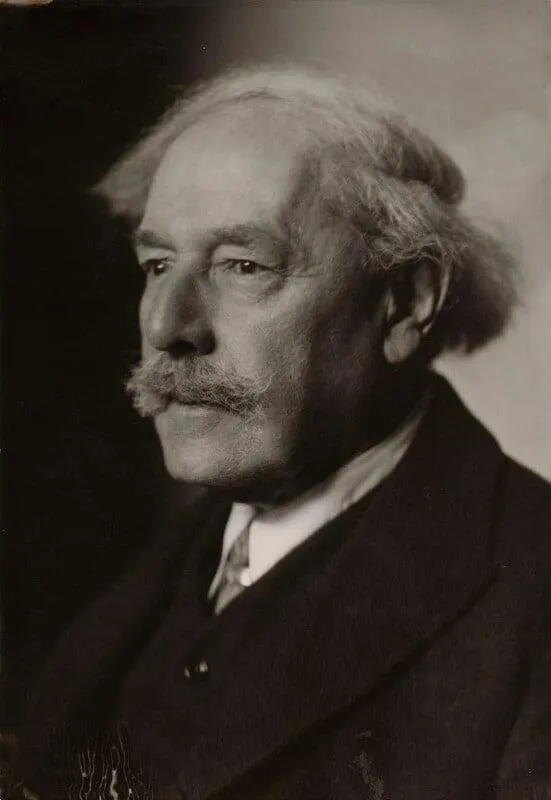
Symbolically, Waite stands for the principle of the hidden order behind symbols. For him, images, rituals and secret traditions were not mere curiosities, but expressions of a deeper structure of consciousness. He viewed symbols not as decoration, but as keys to hidden layers of human experience. The visible should point to the invisible.
Parapsychologically and symbolically, Waite can be understood as a cartographer of inner worlds. Unlike magician figures who sought power or spectacular phenomena, he was particularly interested in the question of how symbols organize perception. In this sense, tarot, rituals and esoteric systems function as structural models of consciousness: They create order in what appears to be random and make inner processes legible.
In a deeper symbolic meaning, Arthur Edward Waite embodies the type of silent adept of hidden knowledge. It does not represent ecstatic border crossing, but rather patient decoding. His work suggests the idea that truth is rarely apparent immediately; it is hidden in symbols, images and recurring patterns. Waite reminds us that sometimes knowledge lies not in finding new things, but in reading what is already before your eyes.




Exploring the Depths of Anthroposophy: A Journey Through Its Principles and Impact
Read More