
Demons

Demons
Meaning & Origin:
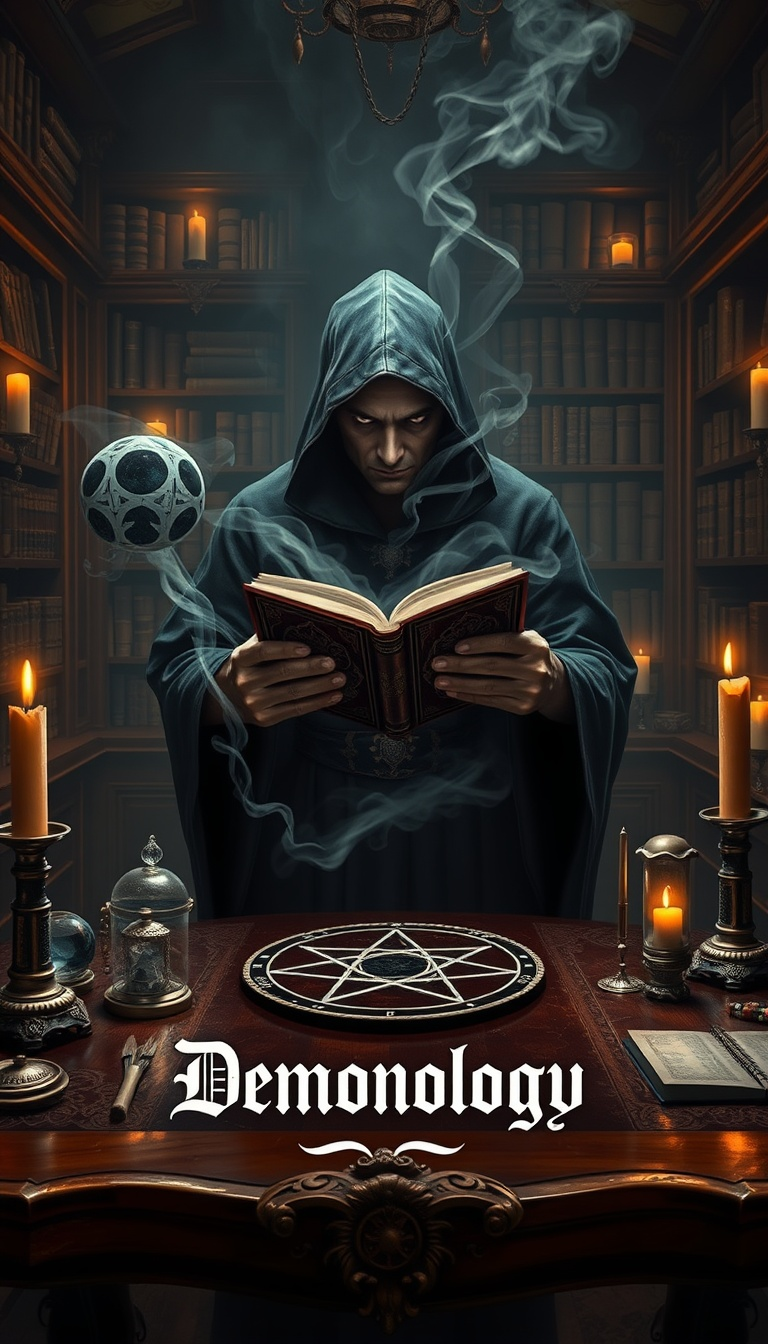
The word demon comes from the Greek daimōn, originally meaning a spirit being or guiding intelligence between gods and humans. In ancient thought, it was morally neutral — not evil, but a force of destiny or inspiration. Only later, in Christian tradition, did the term become synonymous with malevolent spirits.
In the esoteric view, demons are energetic or psychic entities, manifestations of the hidden forces within creation and consciousness itself.
Esoteric Significance:
-
Demons represent unresolved energies — aspects of consciousness cut off from the light of awareness.
-
In magical and gnostic traditions, they appear as guardians and testers, confronting the seeker with their own fears, desires, and shadows.
-
For the ancients, the daimōn could also be a personal spirit guide, akin to the Roman Genius or the Egyptian Ka — the inner voice of destiny.
-
Mystically understood, demons are not enemies to be destroyed, but forces to be transformed. What dwells in shadow yearns to return to the light through understanding and compassion.
-
The true spiritual battle is not against outer darkness, but within — through the alchemy of consciousness.
Legacy & Practice:
In modern esoteric and psychological traditions, “demons” are seen as symbols of repressed instincts, destructive thoughts, or karmic patterns. Through meditation, shadow work, and self-awareness, one may integrate these forces rather than be ruled by them.
Thus, the demon becomes the Guardian of the Threshold — the initiatory force that challenges and ultimately awakens the soul.
Keywords: Shadow, Transformation, Inner Guardian, Initiation, Awareness
Links: