
Horoscopy

Definition & Origin:
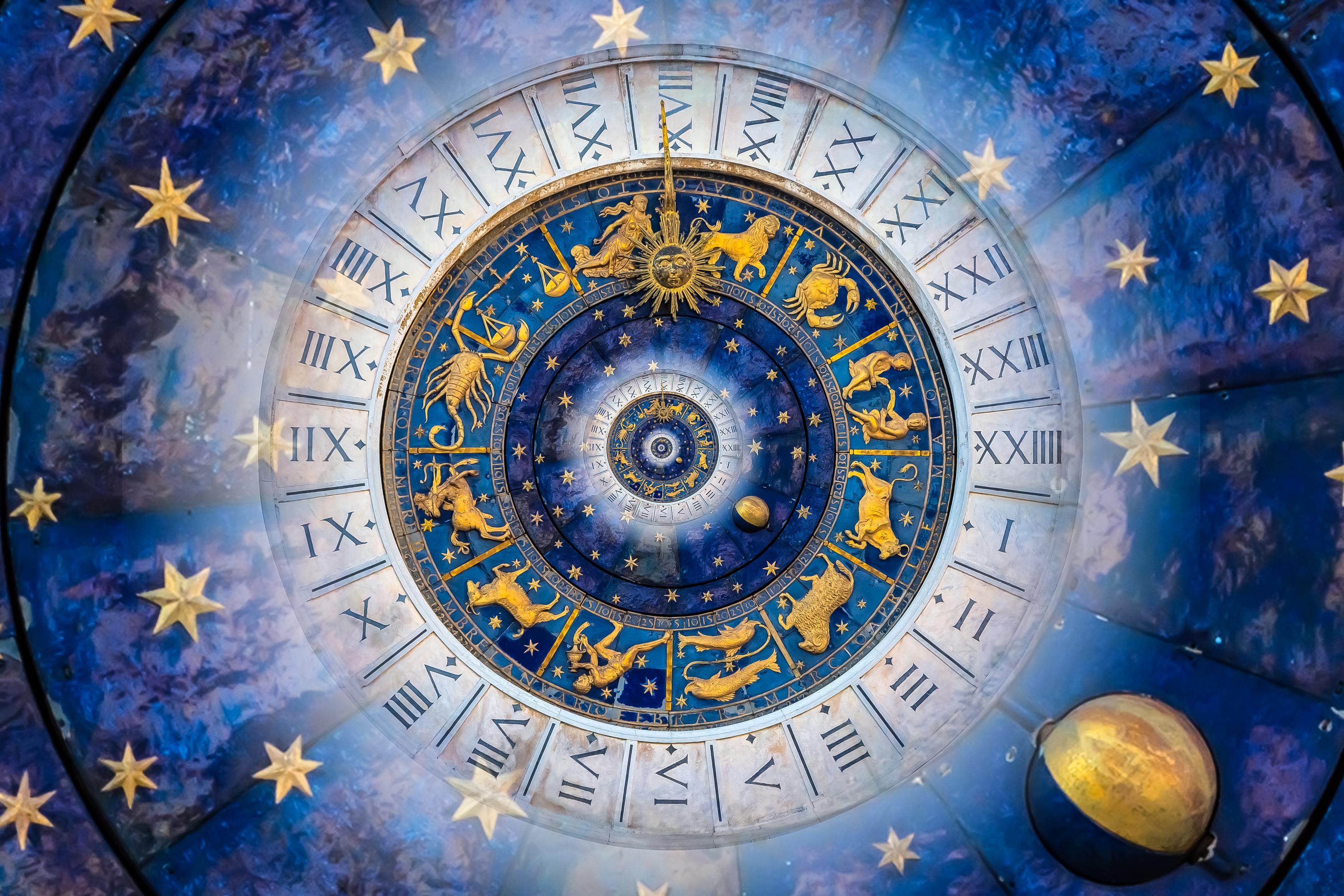
Horoscopy (from Greek hṓra meaning hour or time and skopeîn meaning to observe) refers to the interpretation of a horoscope—a chart depicting the positions of the Sun, Moon, and planets at a specific time and place. It is a central branch of astrology.
Core Concept & Worldview:
Horoscopy is based on the principle of symbolic correspondence between celestial configurations and earthly life. The moment of birth is considered an energetic imprint reflecting character traits, potentials, and life rhythms. Time is understood as qualitatively structured.
Key Elements of Horoscopy:
-
Zodiac Signs: Twelve archetypal qualities along the ecliptic.
-
Planets: Represent psychological functions and life themes.
-
Houses: Twelve experiential life domains.
-
Aspects: Angular relationships indicating tension or harmony.
-
Ascendant: The rising degree at birth, symbolizing outward expression.
Forms of Horoscopy:
-
Natal Astrology: Interpretation of the birth chart.
-
Horary Astrology: Chart cast for a specific question.
-
Mundane Astrology: Applied to collective or political events.
-
Synastry: Comparison of two charts.
-
Predictive Techniques: Transits and progressions analyzing time cycles.
Historical & Cultural Context:
Horoscopic astrology developed in the Hellenistic world, blending Babylonian astronomy with Greek philosophy. It spread through the Roman Empire, medieval Islamic scholarship, and Renaissance Europe, and remains globally practiced.
Symbolic Meaning:
Horoscopy represents the correspondence between macrocosm and microcosm. The horoscope is viewed as a symbolic map of the soul, revealing potentials and developmental themes.
Psychological Interpretation:
Modern approaches treat horoscopy as a symbolic personality framework rather than deterministic fate. It supports self-reflection and life-cycle awareness.
Modern Esoteric Use:
Today, horoscopy is widely used for personality insight, decision guidance, and timing analysis, often integrated with psychology and mythological symbolism.
Distinction:
Horoscopy differs from other divinatory arts through its structured astronomical calculations and from pure astronomy through its symbolic interpretive dimension.