
Lucifer
Lucifer
Mythology / Religion / Esotericism / Symbolism / Gnosticism
Definition:
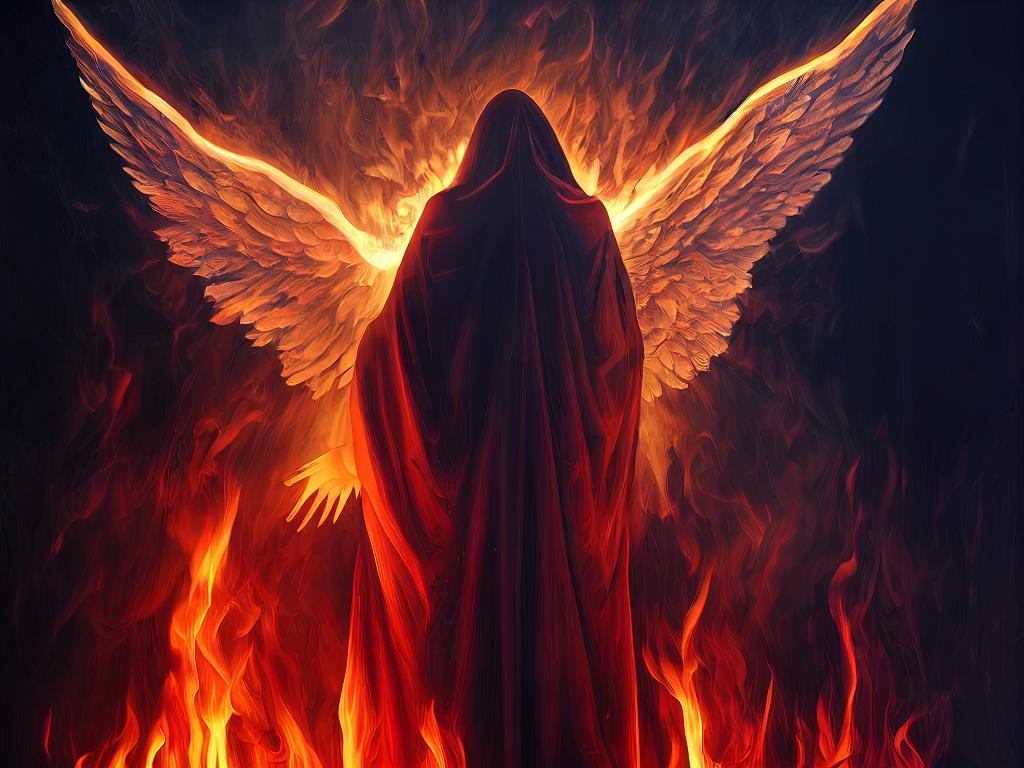
Lucifer (Latin for "light-bearer" or "morning star") is a multifaceted figure that appears across religious, esoteric, and philosophical traditions as:
-
a fallen angel,
-
a symbol of rebellion,
-
a bringer of light and knowledge,
-
or a representation of pride and downfall.
Interpretations of Lucifer vary widely, from being equated with Satan, to being revered as a symbol of enlightenment and liberation.
Biblical Origins:
-
The name Lucifer originates from the Latin Vulgate translation of Isaiah 14:12:
“How you have fallen from heaven, O Lucifer, son of the morning!” -
Originally referred to the King of Babylon, not a supernatural being
-
Over time, Christian tradition associated this fall with Satan's rebellion
In Christian Theology:
-
Lucifer = an angel of light and pride, cast down for challenging God
-
Becomes a symbol of pride, rebellion, and the origin of evil
-
Often merged with Satan, though the Bible does not clearly support this identification
In Esotericism and Gnosticism:
-
Lucifer is sometimes reinterpreted as:
-
A bringer of wisdom and light, not evil
-
A rebel against the demiurge, seen as a false god in some gnostic systems
-
A symbol of intellectual and spiritual liberation
-
-
In Theosophy and Anthroposophy:
-
Rudolf Steiner sees Lucifer as one pole in a dual force dynamic (with Ahriman)
-
Lucifer represents spiritual excess, imagination, and detachment from reality
-
Symbolism:
-
Ambiguous archetype:
-
Light vs. dark
-
Knowledge vs. obedience
-
Freedom vs. order
-
-
In some modern esoteric schools, Lucifer is seen as a necessary counterpart to divine law – a test or teacher
Modern Reception:
-
Appears in literature and pop culture as a tragic antihero or misunderstood figure
-
In Luciferian philosophy, the name symbolizes individualism, self-knowledge, and defiance of tyranny
-
In some forms of modern Satanism, Lucifer is not worshipped as a deity, but embraced as a symbol of free will and personal enlightenment
Links:
Free Reading: Tarot, Astrology and Numerology!


Unleashing the Magic: Discovering the Essence of Wicca & Modern Witchcraft!
Read More