
Onomancy
Onomancy (from Greek ónoma meaning name and manteía meaning divination) is the interpretation of names as carriers of hidden meaning, character traits, or destiny. It belongs to linguistic divination and is closely related to numerology and sound symbolism.
Core Concept & Worldview:
Onomancy assumes that names are not arbitrary but carry energetic or symbolic signatures. A name is seen as a condensed form of identity—a vibrational pattern reflecting essence or life path. In many traditions, the “true name” was believed to hold special power.
Methods of Onomancy:
-
Letter Analysis: Interpreting individual letters symbolically or numerically.
-
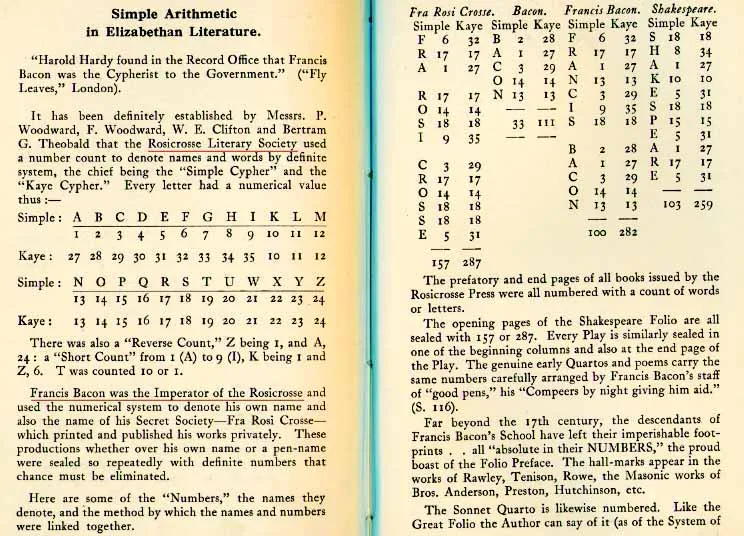
Numerological Calculation: Converting letters into numbers to determine life patterns.
-
Sound Interpretation: Reading the tonal or phonetic character of a name.
-
Anagrammatic Analysis: Rearranging letters to reveal hidden meanings.
-
Meditative Name Contemplation: Focusing on a name for intuitive insight.
Historical & Cultural Context:
Onomancy appears in the Ancient Near East, classical Greece, and Jewish, Christian, and Islamic mystical traditions. In Kabbalah, letter and number mysticism played a central role. Renaissance magic also attributed hidden power to names.
Symbolic Meaning:
The name symbolizes identity, calling, and destiny. In divination, it points to latent potential, life tasks, or karmic themes. Analyzing the name becomes a search for the core of being.
Psychological Interpretation:
Psychologically, onomancy functions as a projection system reflecting identity through symbolic structure. Engaging with one’s name encourages self-awareness and narrative meaning-making.
Modern Esoteric Use:
Today, onomancy often appears in connection with numerology, astrology, or name changes. It is primarily used for personal reflection rather than strict prediction.
Distinction:
Onomancy differs from stichomancy by focusing on names rather than text passages and from pure numerology by emphasizing linguistic and phonetic symbolism.