

Ornithomancy
Definition & Origin:
Ornithomancy (from Greek órnis, órnithos meaning bird and manteía meaning divination) is the interpretation of bird behavior as prophetic signs. It is one of the oldest and most widespread forms of animal divination, especially prominent in the ancient world.
Core Concept & Worldview:
Ornithomancy is based on the belief that birds, as creatures moving between earth and sky, possess a special connection to the divine. Their flight, calls, and sudden appearances are interpreted as messages from higher realms.
Forms of Ornithomancy:
-
Flight Interpretation: Reading direction, altitude, and flight patterns.
-
Call Oracles: Interpreting the sounds of specific bird species.
-
Omen Appearances: Meaning attributed to sudden encounters.
-
Ritual Augury: Formalized bird observation by designated diviners.
-
Dream Ornithomancy: Interpreting birds in dreams.
Historical & Cultural Context:
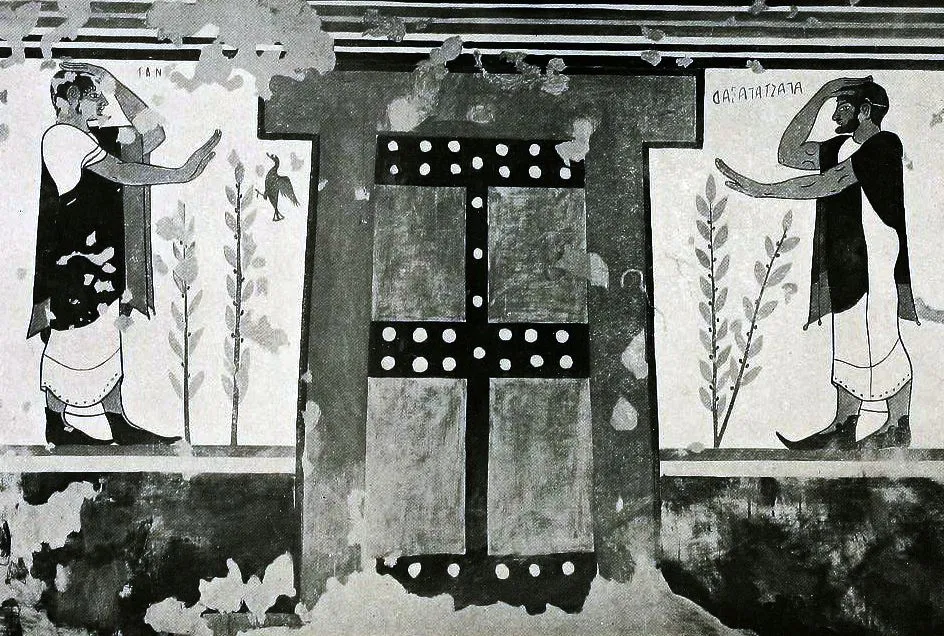
In antiquity, ornithomancy was highly developed, particularly in Rome, where official augurs interpreted bird signs for state decisions. Greek, Mesopotamian, and many indigenous cultures also regarded bird flight as a direct sign of divine approval or warning.
Symbolic Meaning:
Birds symbolize freedom, spirit, inspiration, and divine communication. In divination, they often point to clarity of thought, new perspectives, or imminent change. Different species carry distinct symbolic meanings.
Psychological Interpretation:
Psychologically, ornithomancy can be seen as projecting inner states onto natural movement patterns. Gazing at the sky reflects the human longing for guidance, hope, and transcendence.
Modern Esoteric Use:
Today, ornithomancy appears in simplified forms, such as interpreting meaningful bird encounters or within shamanic symbolism. It functions more as personal reflection than as a tool of political decision-making.
Distinction:
Ornithomancy is a specialized branch of zoomancy characterized by its association with air and sky symbolism and differs from ophiomancy through its upward, light-oriented imagery.