
Plato
Plato
Philosophy / Antiquity / Metaphysics / Epistemology / Esoteric Influence
Biography & Significance:
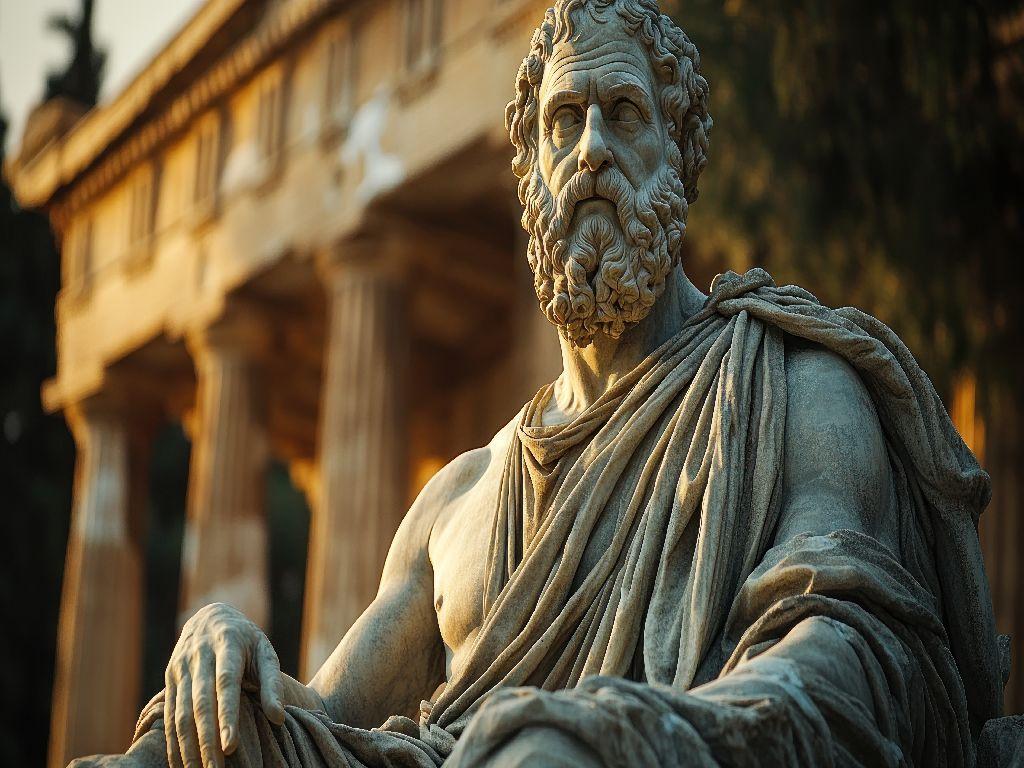
Plato (427 BCE – 347 BCE) was a Greek philosopher, student of Socrates, and teacher of Aristotle. He is one of the foundational figures of Western philosophy and is credited with developing the Theory of Forms. He founded the Academy of Athens, considered the first philosophical school in Europe.
Core Teachings:
🧠 Theory of Forms:
-
The material world is only a shadow or imitation of a higher realm of perfect, eternal ideas
-
Forms like justice, beauty, or goodness exist beyond the physical world
-
Humans can grasp these eternal truths through reason and philosophical inquiry
🔥 Allegory of the Cave (from The Republic):
-
Humans live like prisoners watching shadows on a wall, mistaking them for reality
-
Philosophy is the path to truth, allowing one to ascend from darkness to light
-
Interpreted as a metaphor for spiritual awakening
⚖️ Political Philosophy:
-
In The Republic, Plato describes an ideal state ruled by philosopher-kings
-
Society is divided into three classes: rulers, guardians, and producers
-
Justice is defined as each class performing its proper role
Mystical and Esoteric Reception:
-
Plato deeply influenced Neoplatonism, Gnosticism, Hermeticism, and Renaissance esotericism
-
His philosophy was interpreted as a path to divine truth and inner enlightenment
-
Concepts of the soul, reincarnation, and the divine order appear in many spiritual traditions
-
“Platonic love” refers to non-physical, soul-based connection
Key Works:
-
The Republic (Politeia)
-
Phaedo (immortality of the soul)
-
Symposium (on love and Eros)
-
Timaeus (cosmology, creation myth, Demiurge)
-
Gorgias, Parmenides, Critias (Atlantis myth)
Legacy:
-
Laid the foundation for Western philosophy, science, and political thought
-
Inspired Christian theology, idealist philosophy, esoteric systems
-
Continues to influence ethics, education, metaphysics, and spiritual thought
Links:


The Art of Channeling: Connecting with Higher Realms for Clarity and Purpose
Read More