


Rasputin
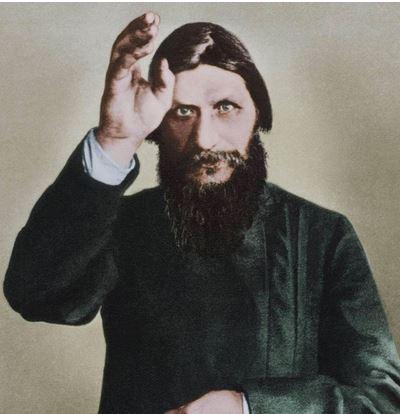
Rasputin
Mysticism / Occultism / Russian History / Cult Figure
Definition:
Grigori Yefimovich Rasputin (1869–1916) was a Russian mystic, wanderer, and faith healer who rose to prominence through his close relationship with the Russian imperial family, especially Empress Alexandra Feodorovna. His life remains shrouded in mystery, legend, and scandal, blending political intrigue with spiritual mysticism.
Background & Rise to Power:
-
Born in a small Siberian village (Pokrovskoye), Rasputin experienced a spiritual awakening and went on pilgrimages
-
Gained a reputation as a healer and visionary with an intense spiritual presence
-
In 1905, he was introduced to the royal family, where he reportedly helped ease the hemophilia of Tsarevich Alexei, earning the Empress’s trust
-
Became a spiritual advisor and political influencer, especially during WWI
Mystical and Esoteric Aspects:
-
Seen by some as a clairvoyant, magnetist, and healer, by others as a fraud
-
Practiced a form of mysticism that fused sin, repentance, and divine grace
-
Possibly connected to the Khlysts, a radical Christian sect emphasizing ecstatic rituals
-
In modern esoteric thought, often considered a man of unusual spiritual powers
Controversies & Political Role:
-
Advised the Tsarina on state affairs, fueling resentment and suspicion among nobility and clergy
-
Survived multiple assassination attempts before being murdered in 1916 under dramatic circumstances
-
His death remains the subject of conspiracy theories involving nobility, secret police, and British intelligence
Legacy and Mythmaking:
-
Rasputin has become an icon of mysticism, decadence, and political corruption
-
Myths persist about his sexual magnetism, healing powers, and unnatural death
-
Featured in films, books, music (e.g. Boney M's "Rasputin"), and pop culture
-
In spiritual circles, he is viewed by some as a hidden master, by others as a dark manipulator
Symbolic Interpretation:
-
Embodies the thin line between sanctity and madness, mysticism and manipulation
-
Sometimes seen as an archetype of the “dark prophet” – a seer outside traditional religion