
Rhabdomancy
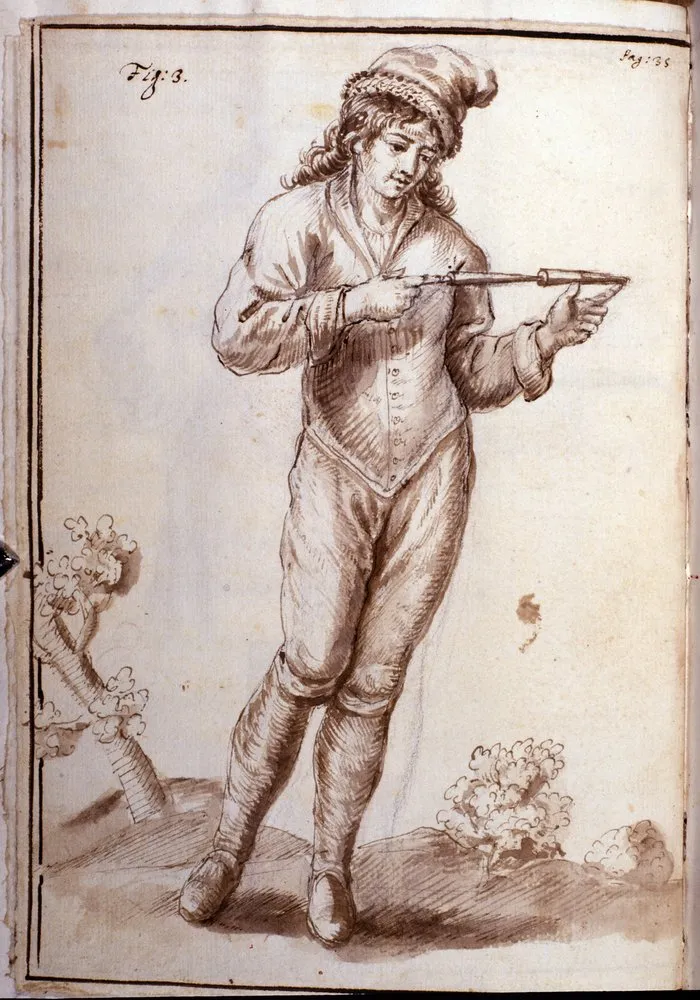
Rhabdomancy (from Greek rhábdos meaning rod or staff and manteía meaning divination) is a divinatory practice that uses rods or sticks to obtain hidden information. Historically, it served both prophetic purposes and the detection of unseen resources.
Core Concept & Worldview:
Rhabdomancy is based on the belief that subtle forces or energetic patterns permeate reality and that the human body, mediated through the rod, can respond to them. The rod’s movement is seen not as a conscious action but as an expression of deeper, non-rational knowledge.
Forms of Rhabdomancy:
-
Dowsing: Using forked or L-shaped rods to locate water, minerals, or energetic zones.
-
Rod Oracles: Casting or positioning rods and interpreting their arrangement.
-
Decision Rhabdomancy: Letting rod movement indicate choices.
-
Symbolic Rhabdomancy: Using marked or inscribed rods.
-
Ritual Rhabdomancy: Ceremonial use within magical or religious contexts.
Historical & Cultural Context:
Rhabdomancy has been documented since antiquity, with references in the Ancient Near East, Greece, and biblical texts. In medieval Europe it was widely practiced in folk magic and mining. Over time, it became closely associated with dowsing.
Symbolic Meaning:
The rod symbolizes authority, connection, and guidance. In divination, it functions as an intermediary between the practitioner and hidden orders, representing orientation and contact with unseen realms.
Psychological Interpretation:
From a modern perspective, rhabdomancy is often explained through ideomotor effects—subtle, unconscious muscle movements that cause the rod to move. Esoterically, these movements are interpreted as manifestations of intuitive or embodied knowledge.
Modern Esoteric Use:
In contemporary esotericism, rhabdomancy is primarily used in radiesthesia, energy work, and intuitive decision-making. It is less a prophetic oracle than a tool for sensing subtle impulses.
Distinction:
Rhabdomancy is more narrowly defined than general stick or rune divination and is characterized by its strong bodily and reactive component.


Activate the Power of Manifestation and Use It to Turn Your Life Around
Read More