

Samsara

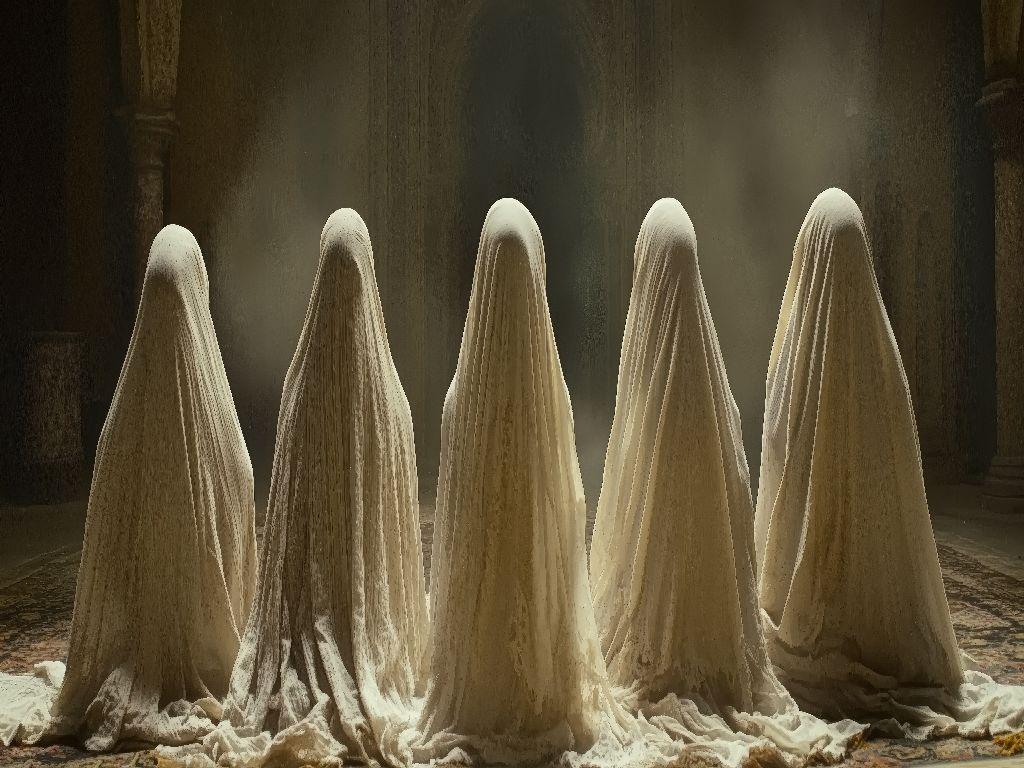
Samsara (from Sanskrit saṃsāra, Tibetan འཁོར་བ་ khorwa, meaning “wandering” or “circling”) refers to the cycle of conditioned existence in which beings are bound to birth, life, death, and rebirth. Samsara is not primarily a place, but a mode of experience shaped by ignorance, attachment, and habit.
Symbolically, samsara represents the endless turning of the familiar. Experiences recur not identically but structurally: hope and fear, desire and aversion, gain and loss. Suffering arises not from multiplicity itself but from the mistaking of the impermanent for the permanent.
Esoterically, samsara is not the opposite of enlightenment but its unrecognized form. In Mahayana and Dzogchen perspectives, samsara is empty of inherent existence and persists only through non-recognition of its nature. When this nature is recognized, samsara does not vanish—it is revealed as nirvana.
The classical icon of samsara is the Wheel of Life (Bhavacakra). At its hub, the three poisons—ignorance, craving, and aversion—drive the cycle. The outer rings depict karmic causality and the six realms of existence. Yet the wheel itself is held by Yama, lord of impermanence, indicating that samsara is not autonomous but conditioned.
Symbolic Layers:
-
Existential: cyclic conditioning
-
Psychic: repetition through habit
-
Mystical: misrecognition of one’s own nature
Key Images: Wheel of Life, circular motion, recurring patterns, central ignorance


Quantum Healing: Discovering the Fascinating Connection Between Science and Healing
Read More