Srog
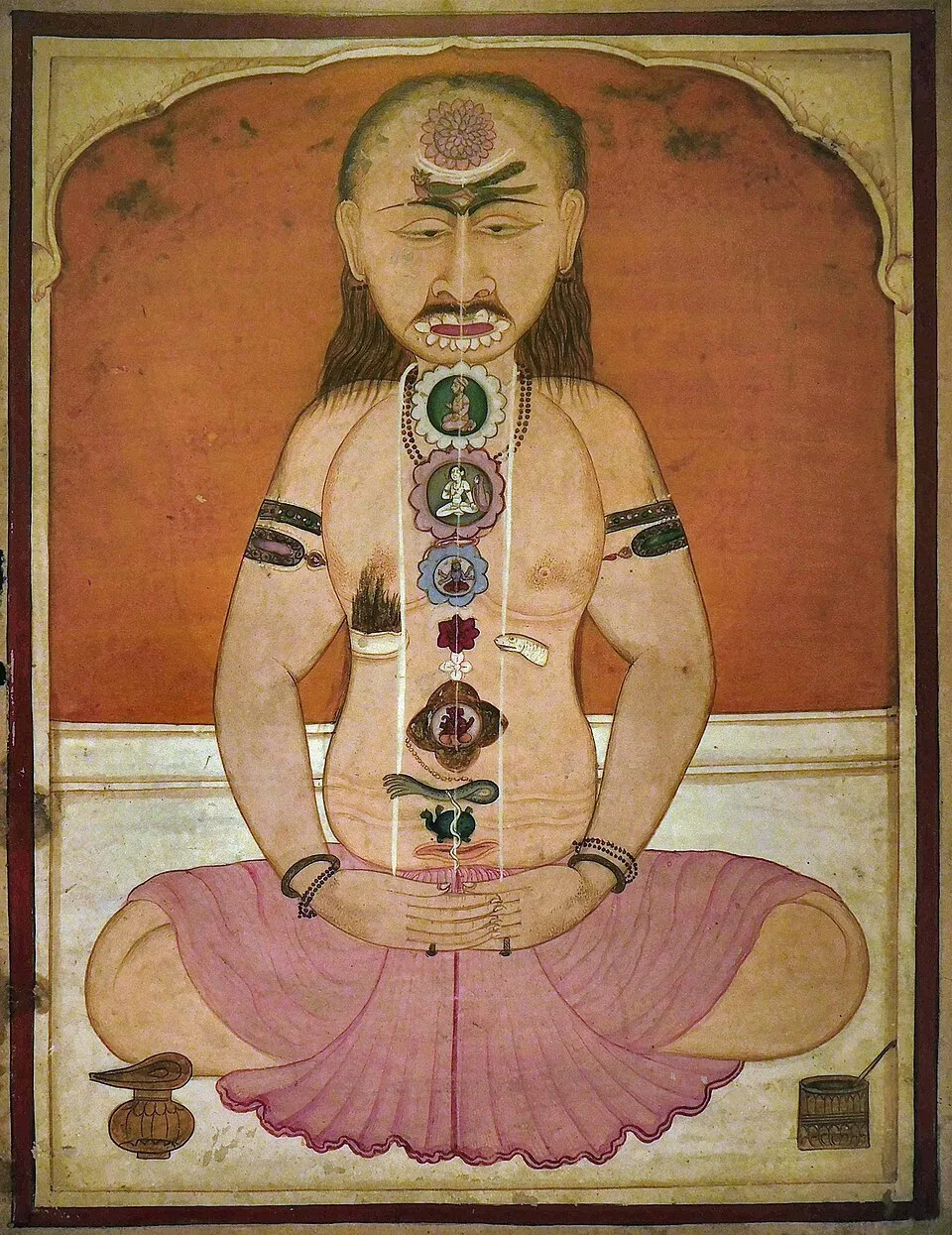
Srog (Tibetan སྲོག་, literally “life” or “life-force”) refers in Tibetan medicine and tantric Buddhism to the essential vital principle that binds body, breath, and awareness into a living continuum. Srog is not identical with Lung (wind or breath), but rather the animating presence that gives breath its living quality.
Symbolically, Srog represents the spark of aliveness that makes experience possible. While Lung expresses movement and dynamism, Srog is the sustaining continuity, the subtle force that holds life together. It is the quiet presence through which perception remains warm, conscious, and coherent.
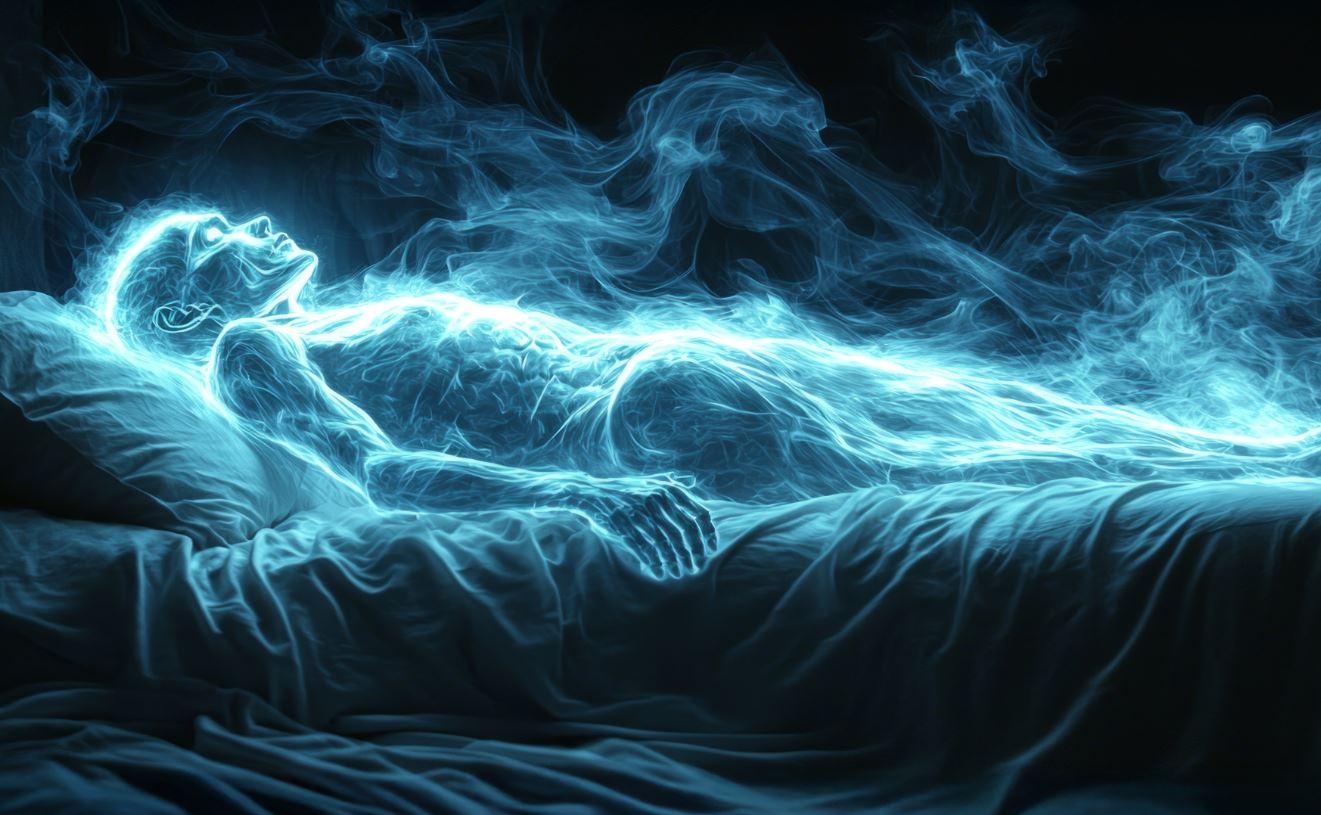
Esoterically, Srog functions as a link between body and consciousness. When Srog is strong and balanced, mind and body remain integrated; when it is weakened or disturbed, experience fragments into agitation, fatigue, or dullness. In this sense, Srog is less a flowing energy than a life-anchor that stabilizes existence.
In deeper tantric perspectives, Srog is the continuum carrying life through birth, death, and intermediate states. At death, Srog withdraws from the physical body, dissolving the basis for embodied awareness. Practices such as Tsa‑Lung, Tummo, and Phowa indirectly aim to clarify and stabilize Srog, allowing transitions to unfold consciously.
Symbolic Layers:
-
Vital: foundational force of aliveness
-
Psychic: coherence of perception and identity
-
Mystical: continuum across life, death, and rebirth
Key Images: inner glow, sustaining thread, gentle pulse, warmth without heat
Archetypal Role: life-anchor, carrier of conscious experience