

Sushupti

Sushupti
Deep Dreamless Sleep • The State of Silent Bliss • The Threshold of Pure Consciousness
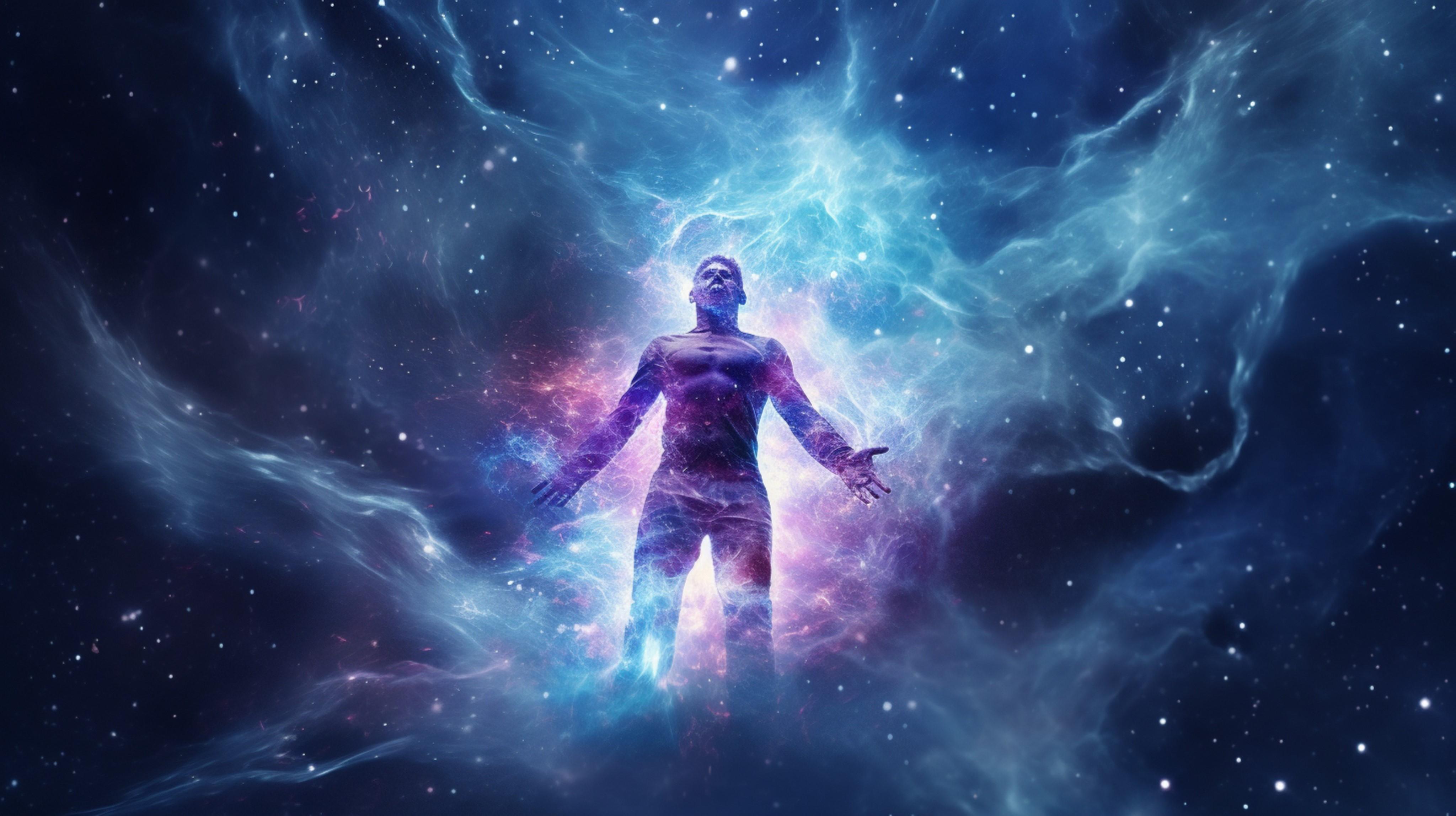
Sushupti (Sanskrit: सुषुप्ति) refers to the state of deep, dreamless sleep in Indian philosophy — the phase in which the ordinary mind withdraws completely and the human being rests in undisturbed stillness.
In Vedanta, Sushupti is one of the three fundamental states of consciousness:
-
Jāgrat – waking state
-
Svapna – dreaming
-
Sushupti – deep dreamless sleep
Sushupti is unique because in it the mind dissolves, the ego falls silent, yet the underlying pure consciousness remains — resting in its own nature.
Philosophical Significance
In the state of Sushupti:
-
the intellect is inactive
-
thoughts are absent
-
the ego (Ahamkāra) vanishes
-
but consciousness does not disappear —
it remains, unmanifest, as pure potential
The Upanishads teach that in Sushupti, the soul touches Brahman, the Absolute.
Thus Sushupti is described as:
-
Bliss (Ānanda)
-
objectless peace
-
the Self resting in itself, though not self-aware
It is the quiet seed-state of consciousness.
Esoteric Meaning
From a mystical perspective, Sushupti reveals:
-
consciousness without content
-
the essence of the Self behind mind and forms
-
the natural stillness of existence
-
deep energetic replenishment from the Source
-
the latent experience of oneness
Mystics often say:
In Sushupti, one touches what yogis experience consciously in Samādhi.
Sushupti and the Fourth State
The Upanishads describe a fourth state, Turiya, which transcends the other three.
Turiya = conscious awareness of Sushupti
While Sushupti is unconscious emptiness,
Turiya is conscious emptiness —
pure awareness without objects,
the ground of all states.
Thus Sushupti becomes the threshold to the awakened condition.
Energetic Symbolism
-
Element: Ether
-
Center: Spiritual heart (Hṛdaya)
-
Brainwave resonance: deep Alpha / Theta
-
Symbol: the moonless midnight sky
-
Quality: peace, origin, potentiality
In Sushupti, the soul returns to the source-state from which all experience arises.
Spiritual Essence
**“In dreamless sleep, the Self rests in its own nature —
undivided, formless, free.”**
Sushupti is the unconscious version of what Samādhi is consciously:
a return to the absolute stillness beyond all thought and identity.
Keywords:
Sushupti, Deep Sleep, Vedanta, Upanishads, Turiya, Samadhi, Pure Consciousness, Bliss State, Subtle States