
Tephromancy
Definition & Origin:
Tephromancy (from Greek téphra meaning ash and manteía meaning divination) is a form of divination that uses ash as a medium to gain insight into hidden patterns, future developments, or spiritual messages. Ash is regarded as a liminal substance—situated between matter and dissolution, ending and transformation.
Spiritual Perspective:
In tephromantic thought, ash represents the final stage of transformation. What has been burned is not gone, but condensed into a new, essential form. Ash therefore carries the silent imprint of what once existed and the potential of what may yet emerge.
Methods of Tephromancy:
-
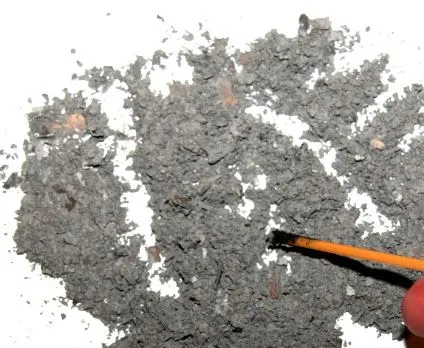
Ash Scattering: Interpreting the shapes and patterns formed when ash is scattered.
-
Post-Fire Reading: Reading the remains of ritual fires involving wood, herbs, or offerings.
-
Movement and Direction: Observing how ash falls or drifts as a sign of external forces or influences.
-
Symbolic Forms: Identifying figures, signs, or archetypal images within the ash.
-
Ritual Tephromancy: Using ash in purification or transition rites followed by divinatory interpretation.
Historical & Cultural Context:
Tephromantic elements appear in ancient fire cults, European folk magic, and ritual systems where fire symbolized purification and transformation. Ash has also played an important role in religious rites of repentance, transition, and remembrance.
Symbolic Meaning:
Ash symbolizes impermanence, humility, death, and rebirth. In divination, it often points to completed cycles, the necessity of release, or preparation for renewal. It represents wisdom that arises from endings.
Modern Esoteric Use:
In contemporary esotericism, tephromancy is rarely practiced as a standalone system. It is more commonly integrated into fire rituals, shadow work, or rites of passage, serving as a contemplative tool for understanding transformation, cleansing, and existential change.




The gentle power of sound healing and frequency therapy: basics, benefits, and methods for your well-being
Read More