Vampir
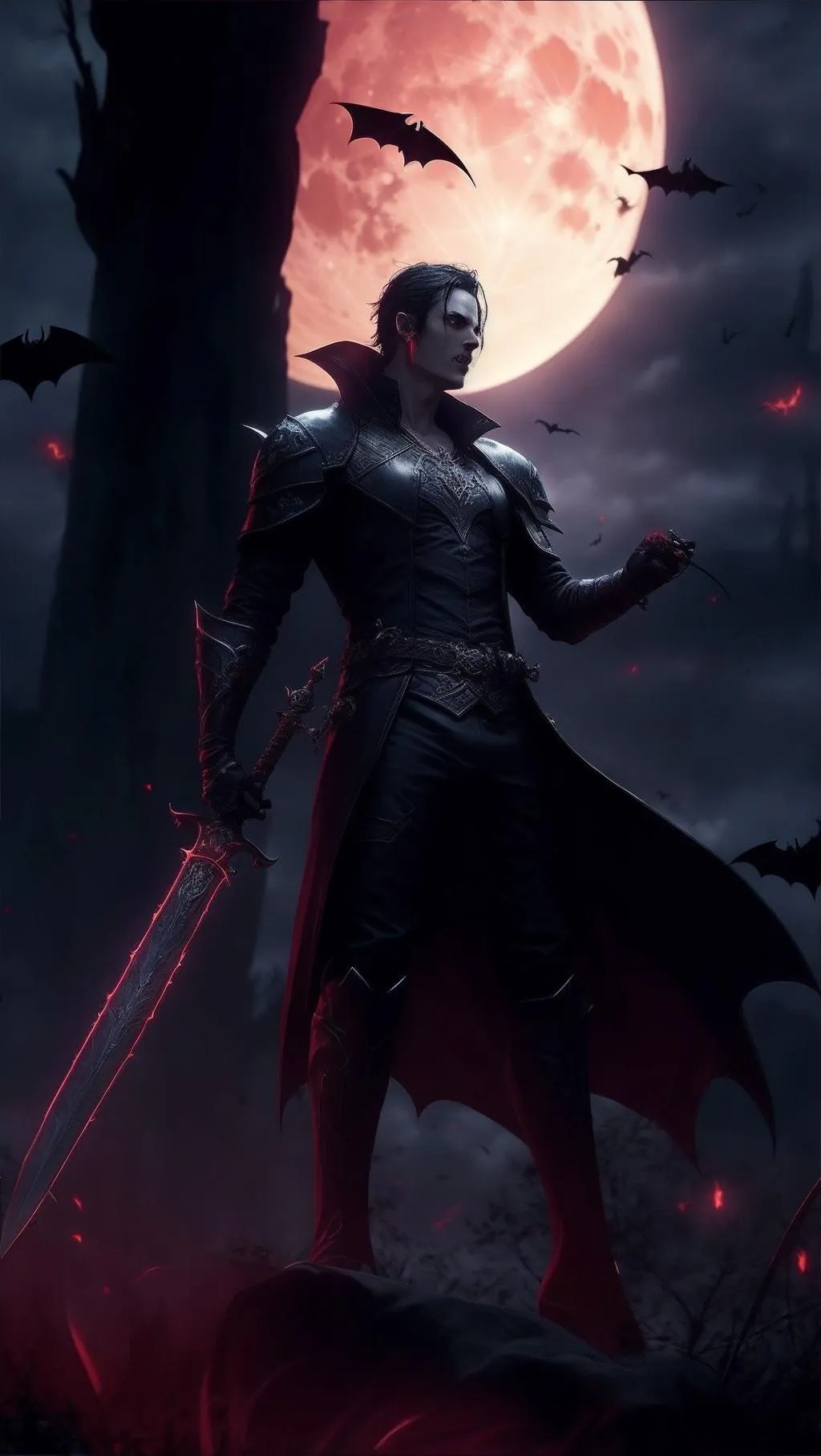
Vampire
The undead of the night • Drainer of life force • Shadow between life and death
The Vampire is one of the most famous figures in European folklore. He appears as a being who cannot find peace after his death and feeds on the life force of the living - usually symbolized by blood.
Vampire ideas were particularly widespread in:
- Eastern Europe
- the Balkans
- Hungary
- Romania
- Serbia
- Parts of Germany and Austria
The modern vampire myth was strongly influenced by the novel Dracula by Bram Stoker.
Historical background
Historical vampire ideas often arose from:
- unexplained illnesses
- plagues
- unusual signs of decomposition
- Fear of death
- Folk beliefs and superstitions
In the 17th and 18th centuries there were even official investigations into alleged vampire cases in parts of Europe.
Esoteric meaning
In the symbolic and psychological interpretation, the vampire stands less for a real being than for an archetype.
It symbolizes:
1. Insatiable desire
A hunger that can never be fully satisfied.
2. The fear of death
The vampire exists between worlds and cannot complete the natural cycle.
3. Energetic parasitism
In modern esotericism, "vampirism" is sometimes used metaphorically for people or patterns that constantly draw energy from others.
4.The Shadow
The vampire embodies repressed desires, striving for power, obsession and the dark aspects of the soul.
Symbolism
Elements:
- Night
- Blood
- Moonlight
- Fog
Symbols:
- Bat
- Castle ruins
- Coffin
- Rose
- Mirror (or lack thereof)
Qualities:
- Seduction
- Secret
- Immortality
- Isolation
The vampire as an archetype
In depth psychology, the vampire appears as an image for:
- unresolved longings
- emotional dependence
- Fear of transience
- the lure of power without growth
It shows the conflict between the desire for eternal existence and the natural change of life.
Spiritual Essence
"The vampire fears not the darkness -
but the end of his hunger."
As a symbol, it reminds us that true life force does not come from taking, but from connection, transformation and inner abundance.
Keywords
Vampire • Undead • Blood Symbolism • Night Creatures • Shadow Archetype • Eastern European Folklore • Immortality • Dark Mythology