
Zikr
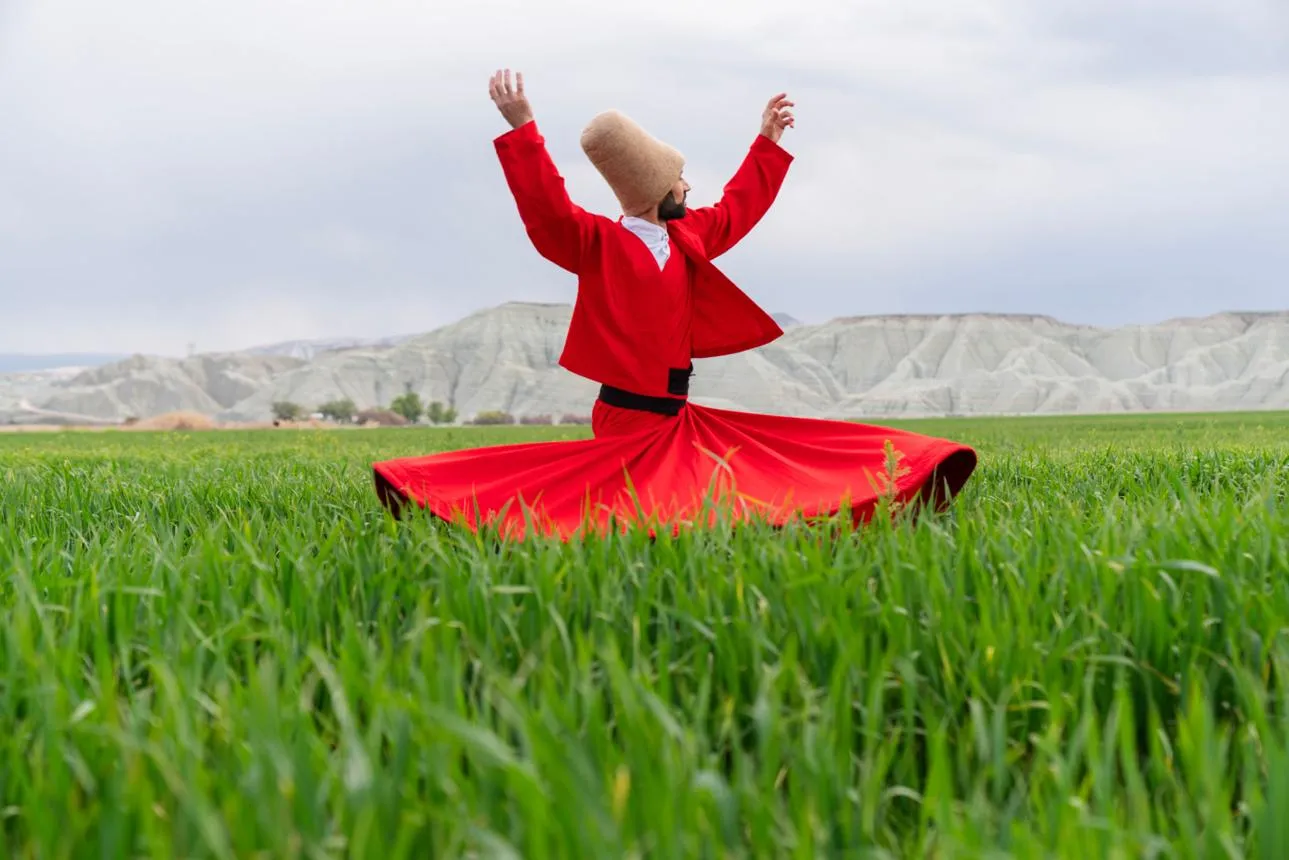
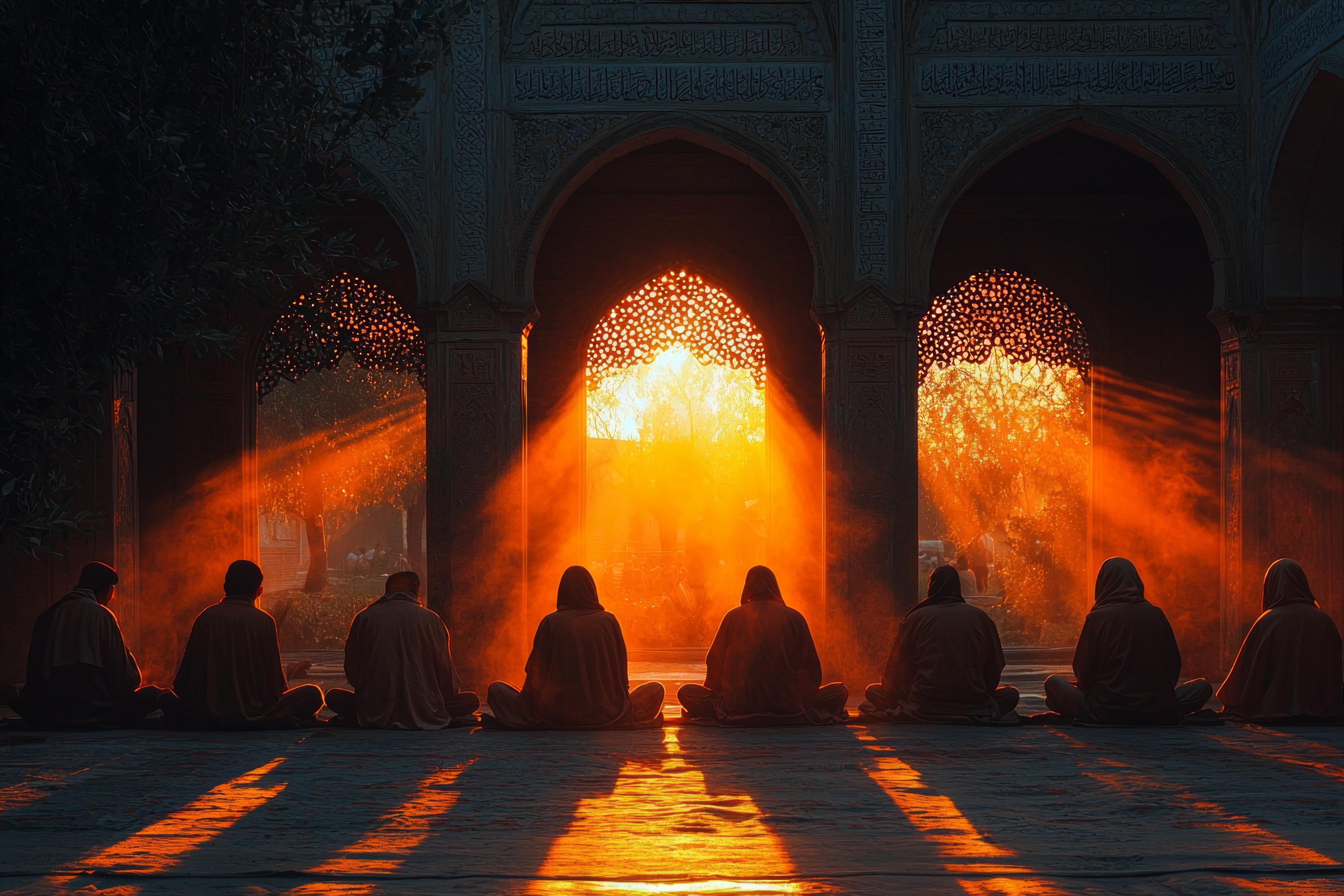
Zikr (Arabic Dhikr, "memory", "commemoration") in the Sufi tradition refers to the ritual repetition of divine names, formulas or breathing rhythms, often combined with music, circular movements or the famous Spinning dance of the dervishes. The aim is not entertainment, but rather the dissolution of the usual ego-centeredness in favor of a state of spiritual presence.
Symbolically, the Zikr stands for the principle of rhythmic self-emptying. Through repetition, language loses its everyday function and becomes sound movement. The body no longer moves individually, but becomes part of a cycle. Particularly in the dance of the dervishes, the rotation symbolizes the cosmic order: people revolve like a planet or star around an invisible center. Movement becomes a form of memory.
Parapsychologically and symbolically, Zikr can be understood as a technique of induced trance coherence. Breathing, music, rotation and monotonous repetition change the mental level and reduce the dominance of linear thought chains. Many participants report states of increased clarity, time resolution or a sense of unity. The decisive factor is less ecstatic overwhelm than the experience of a carried inner flow.
In a deeper symbolic meaning, the Zikr stands for the insight that consciousness changes not only through thinking, but through rhythm. The dervish does not seek escape from the world, but rather a different way of being in the world. The rotation symbolizes a paradoxical calm at the center of the movement: everything revolves, but the inner center remains still. Zikr reminds us that spiritual insight sometimes comes not through knowledge, but through repeated devotion to a sustaining rhythm.