
Zoanthropy
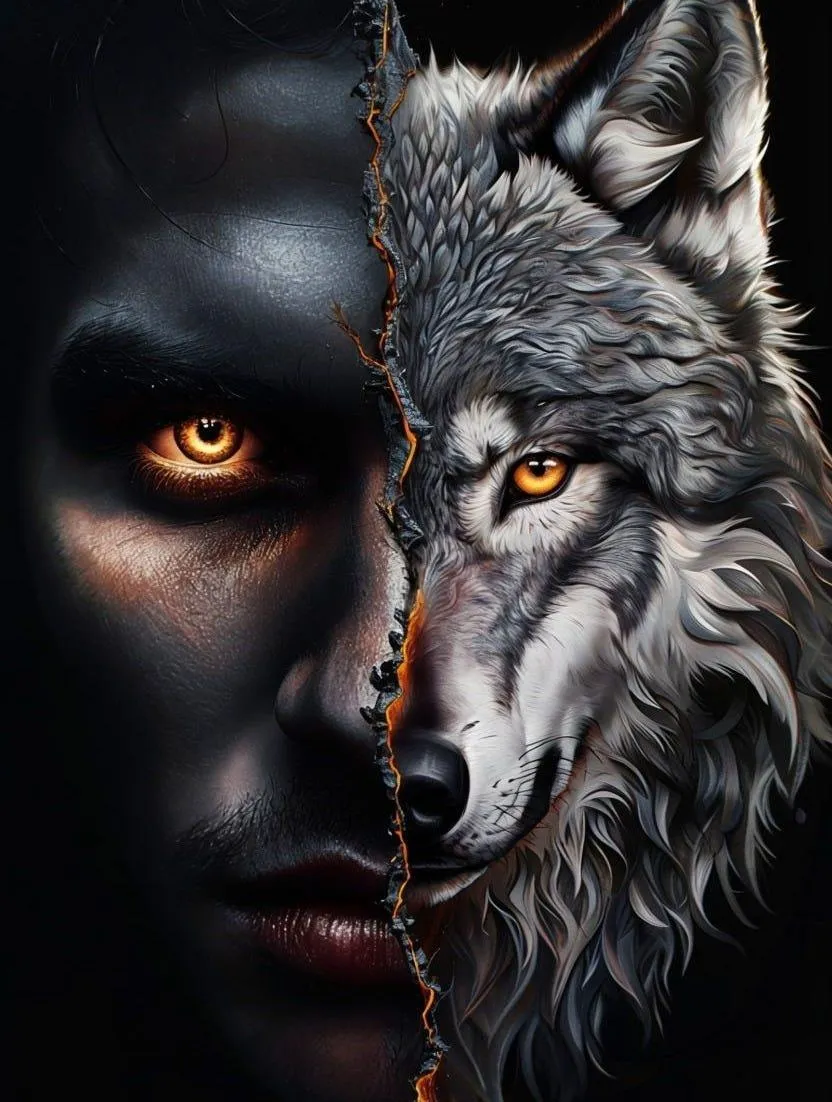
Zoanthropy refers to the state or idea that a person experiences themselves as an animal, identifies with an animal or believes that they have completely adopted animal-like characteristics. In medical and psychiatric contexts it is considered a rare form of identity change; In mythological and esoteric traditions, however, it appears as a borderline experience between humans and natural beings.
Symbolically, zoanthropy stands for the principle of return to pre-rational levels of consciousness. The animal embodies instinct, immediate perception, physical proximity and unfiltered reaction. When man “becomes an animal,” it symbolically means not just a loss of culture, but the emergence of an older, deeper part of the self that usually remains hidden beneath social order.
Parapsychologically and symbolically, zoanthropy can be understood as an identification trance. Through intensive imagination, emotional charging or ritual practices, consciousness can take over certain animal patterns to such an extent that perception, attitude and behavior change. What is important is not the physical transformation, but rather the subjective experience of a shifted self-structure.
In a deeper symbolic meaning, zoanthropy stands for the ambivalence between civilization and originality. The animalistic appears both threatening and liberating: as a loss of rational control, but also as a recovery of immediate liveliness. Zoanthropy reminds us that humans are never completely separated from their nature - and that an archaic field of consciousness continues to operate beneath cultural identity.