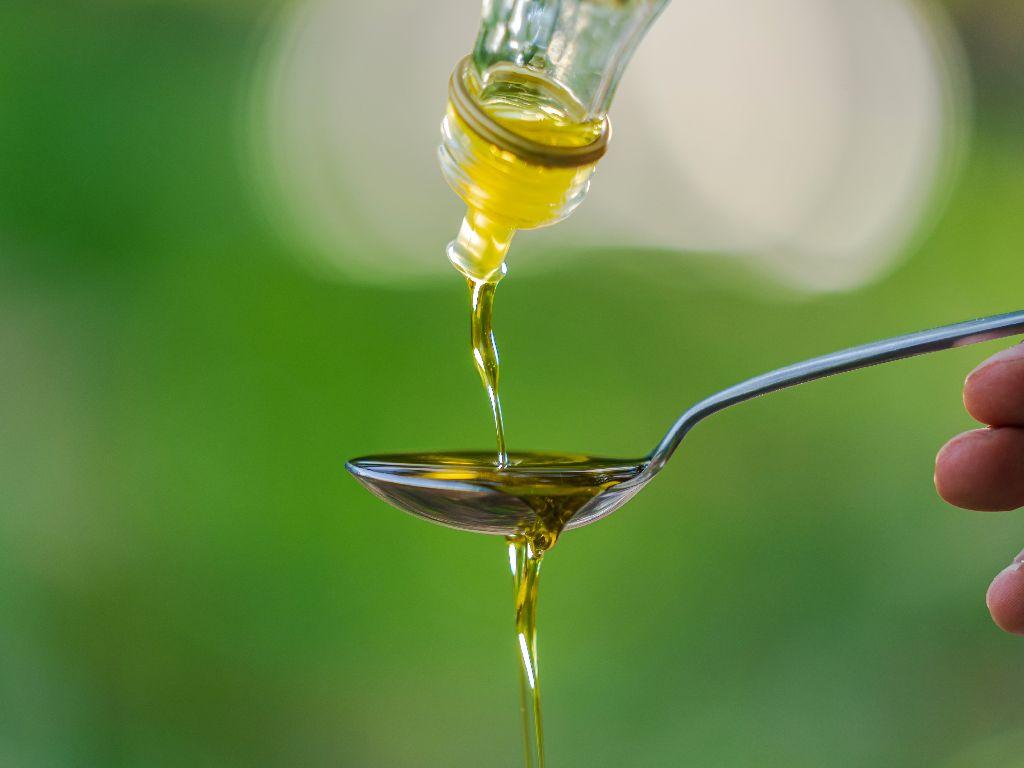
Oil Pulling: The Ancient Ayurvedic Practice for Oral Care
Discover the ancient practice of oil pulling, a simple yet effective technique rooted in Ayurveda that has been used for centuries to promote oral health. This traditional method involves swishing oil in the mouth to remove bacteria, reduce bad breath, and improve overall oral hygiene.

By incorporating oil pulling into your daily routine, you can experience a range of benefits, from a healthier smile to a fresher mouth. This article will explore the ins and outs of oil pulling, its history, benefits, and how to practice it effectively.
Key Takeaways
- Understand the ancient practice of oil pulling and its roots in Ayurveda.
- Learn the benefits of oil pulling for oral health.
- Discover how to incorporate oil pulling into your daily routine.
- Explore the different types of oil suitable for oil pulling.
- Find out how oil pulling can improve your overall oral hygiene.
The Ancient Roots of Ayurvedic Oral Care
In the realm of Ayurveda, oral health has been a significant focus for centuries. This ancient practice has its roots deeply embedded in traditional Indian medicine, where oral care was not just about maintaining healthy teeth and gums but was also closely linked to overall well-being.
Historical Development in Indian Medicine
Ayurvedic oral care has evolved significantly over the centuries, influenced by various cultural and medical practices in India. The traditional Indian medicine system emphasizes a holistic approach to health, including oral hygiene. Oil pulling, a practice that involves swishing oil in the mouth, is one such technique that has been passed down through generations.
Traditional Wisdom Behind Oral Detoxification
The concept of oral detoxification in Ayurveda is based on the belief that the mouth is a gateway to the body and that toxins in the mouth can affect overall health. Detoxifying the mouth through practices like oil pulling is believed to promote not just oral health but also enhance overall well-being.
| Traditional Practice | Description | Benefits |
|---|---|---|
| Oil Pulling | Swishing oil in the mouth | Reduces bacteria, promotes oral health |
| Tongue Scraping | Removing bacteria and debris from the tongue | Enhances oral hygiene, freshens breath |
What Is Oil Pulling and How Does It Work?
By swishing oil in the mouth, oil pulling offers a unique approach to oral care that aligns with Ayurvedic principles. This ancient practice has been gaining attention for its potential benefits in dental care and overall oral hygiene.
Definition and Basic Principles
Oil pulling involves swishing coconut oil or other oils in the mouth for several minutes. The basic principle behind this practice is to detoxify the mouth by pulling out toxins and bacteria, thereby improving oral health. Coconut oil, rich in antimicrobial properties, is a popular choice for oil pulling.

The Ayurvedic Perspective on Oral Health
From an Ayurvedic perspective, oil pulling is more than just a oral hygiene practice; it's a way to balance the body's energies. Ayurveda emphasizes the importance of oral health in maintaining overall well-being. By incorporating oil pulling into daily routine, individuals can potentially enhance their dental care and contribute to a healthier mouth and body.
The Science Behind Oil Pulling's Effectiveness
Oil pulling has been practiced for centuries, but its effectiveness is backed by modern science. The practice involves swishing oil in the mouth to detoxify and cleanse the oral cavity, contributing to overall holistic wellness.
Research suggests that oil pulling can aid in plaque removal, reducing the risk of oral health issues such as gingivitis and bad breath. The antimicrobial properties of certain oils, like coconut oil, play a significant role in mouth detox.
In addition to oil pulling, practices like tongue scraping can further enhance oral hygiene. Tongue scraping removes bacteria and debris from the tongue's surface, complementing the detoxifying effects of oil pulling.
By incorporating oil pulling into your daily routine, you can experience the benefits of a cleaner, healthier mouth, aligning with the principles of holistic wellness. As the practice continues to gain popularity, its potential to support overall health becomes increasingly evident.
FAQ
What is oil pulling, and how often should I do it?
Oil pulling is an ancient Ayurvedic practice that involves swishing oil in your mouth to promote oral health. For optimal results, it's recommended to oil pull once or twice a day, preferably in the morning on an empty stomach.
Which oil is best for oil pulling?
Coconut oil is a popular choice for oil pulling due to its antimicrobial properties and pleasant taste. Other options like sesame oil and olive oil can also be used, but coconut oil is generally considered the most effective.
How long should I oil pull?
The recommended duration for oil pulling is around 15-20 minutes. Start with a shorter duration and gradually increase as you become more comfortable with the practice.
Can oil pulling replace regular brushing and flossing?
No, oil pulling is not a replacement for regular brushing and flossing. It's a complementary practice that can be used in addition to your regular oral hygiene routine to promote overall oral health.
What are the benefits of combining oil pulling with tongue scraping?
Combining oil pulling with tongue scraping can enhance the overall oral detoxification process. Tongue scraping helps remove bacteria and toxins from the surface of the tongue, while oil pulling targets the entire mouth, promoting a cleaner and healthier oral environment.
Is oil pulling suitable for everyone?
Oil pulling is generally considered safe for most people. However, if you have any underlying oral health issues or concerns, it's best to consult with your dentist or healthcare provider before starting an oil pulling practice.
Can I swallow the oil after oil pulling?
No, it's not recommended to swallow the oil after oil pulling. The oil can contain bacteria and toxins that you've pulled from your mouth, so it's best to spit it out and rinse your mouth thoroughly with warm water.