The Inner Battle of the Divines and Daedra: Choosing Order Over Chaos in Your Daily Life
The Primal Conflict: Your Life is Your Mundus
We all face a relentless, hidden conflict every single day. It’s the essential struggle between the person we intend to be and the chaotic impulses that drag us toward distraction, temptation, and easy surrender. The outcome of this silent, internal war dictates the quality of our entire lives.
In the rich mythology of The Elder Scrolls Online (ESO), this primal struggle is perfectly mirrored by two cosmic forces locked in eternal opposition:
The Aedra, often called the Divines, are the forces of creation, order, and virtue. They sacrificed their own power to build the mortal plane, known as Mundus (our world). They represent the stable, constructive habits and principles that build a meaningful life.
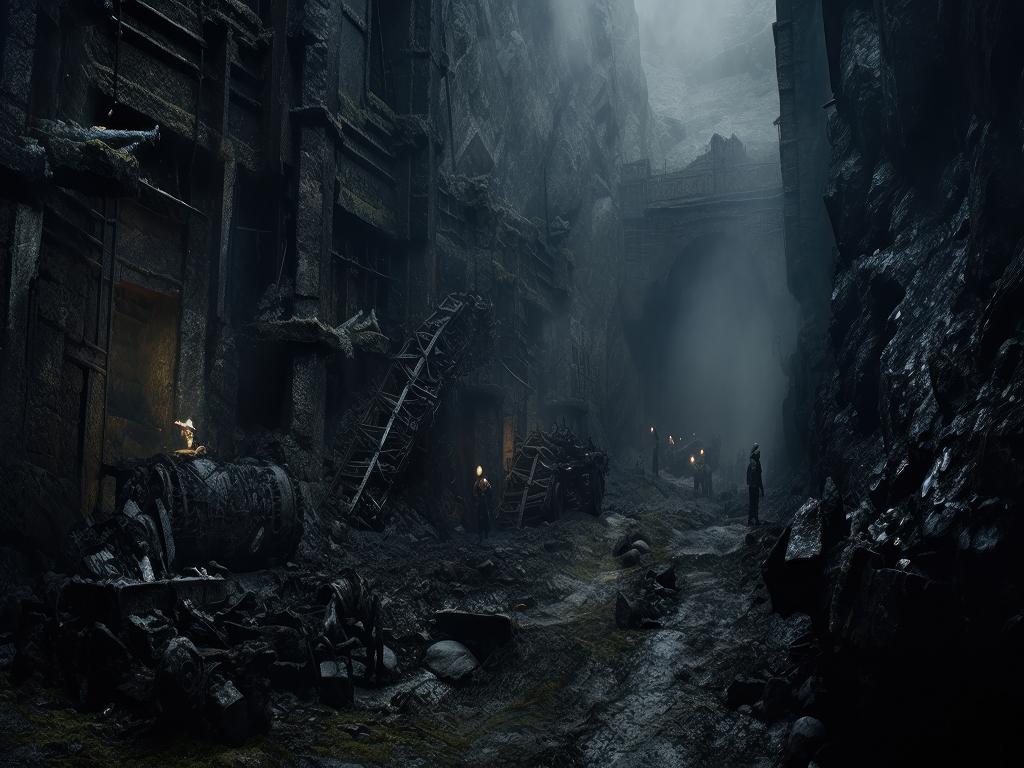
The Daedra, led by the powerful and often malevolent Daedric Princes, are the forces of chaos, temptation, and dark obsession. They reside in the hellish planes of Oblivion and represent the destructive, short-sighted impulses that easily unravel our goals.
This isn't just fantasy lore—it’s the perfect, detailed analogy for your spiritual journey. Your life is your personal Mundus, and every choice, small or large, is an act of worship to one of these two pantheons. Will you dedicate your actions to the stable foundation of the Divines, or the slippery, destructive promises of the Daedra?
The Lure of the Daedric Princes: The Temptation of Chaos
The Daedra don't approach as obvious monsters; they arrive with a subtle, tempting offer—a shortcut, an instant escape, or the illusion of quick power. They promise instant reward, but their true purpose is to ensnare and dominate you, slowly replacing your free will with their chaotic influence.
To master your spiritual journey, you must first recognize these destructive forces disguised as comfort.
1. Sheogorath, Prince of Madness: The Voice of Emotional Extremes
The Lure: Unsustainable Effort and Burnout. Sheogorath is the voice that screams, "Go all in or do nothing!" He represents the instability of chasing unsustainable motivation, which leads to manic bursts of effort followed by a complete emotional crash.
How He Wins: Sheogorath thrives when you try to overhaul your entire life in one day: "I’ll write a novel, run a marathon, and master my entire reading list this week!" When you inevitably crash from exhaustion on Thursday, his influence tells you to quit everything entirely. This is the cyclical burnout that consistently kills long-term progress. True madness is trying the same impossible pace and expecting your life to hold up.
2. Molag Bal, Prince of Domination: The Chains of Perfectionism
The Lure: Perfectionism and Self-Enslavement. Molag Bal wants you to dominate yourself through harsh, impossible standards and crippling self-criticism. He is the master of spiritual slavery.
How He Wins: This creates perfectionism paralysis, where the fear of not being perfect stops you from ever starting or completing important work. You stare at the blank page, convinced it must be a masterpiece, and end up writing nothing at all. Every time you refuse to be "good enough" to start, you are serving the Prince of Domination by giving up your freedom to create.
3. Sanguine, Prince of Debauchery: The Quick Fix of Distraction
The Lure: Instant Escape and Immediate Gratification. Sanguine offers cheap, easy pleasures to pull you away from meaningful work or rest.
How He Wins: He makes you choose the instant dopamine hit over delayed gratification. It’s why you lose hours to endless scrolling, over-indulge in comfort foods, or escape into mind-numbing entertainment instead of deep focus or restorative activity. Sanguine doesn't just waste your time; he starves your soul while filling your minutes with empty, fleeting joys. The spiritual cost of the quick fix is always too high.
4. Nocturnal, The Unknowable: The Trap of Endless Planning
The Lure: Mystery, Secrets, and Hidden Potential. Nocturnal represents the idea that you have a secret, perfect destiny you just haven't unlocked yet, convincing you that the solution is always around the next corner.
How She Wins: This fuels deep, elaborate procrastination. You spend all your time researching, planning, and preparing for the perfect moment, the perfect tool, or the flawless strategy, rather than taking immediate, messy action. By keeping your efforts hidden until they are "perfect," you keep your potential passive and powerless.
5. Mehrunes Dagon, Prince of Destruction: The Impulsive Outburst
The Lure: Impulse and Rage. Dagon represents the need to tear down and destroy—whether it's an old project, a relationship, or a hard-won habit.
How He Wins: Dagon triumphs when you allow a moment of intense anger, frustration, or fear to wipe out weeks of discipline. It’s the impulsive decision to quit your diet, lash out at a loved one, or delete your entire draft in a fit of pique. He convinces you that swift destruction is faster and more satisfying than patient repair.
How to Serve the Divines: The Path of Virtue and Structure
To build a robust life that resists the incursions of Oblivion, you must actively serve the Divines. Each Divine embodies a virtue that creates genuine, lasting strength and inner peace. This is how you fortify your personal Mundus.
1. Akatosh: The God of Time and Discipline
Akatosh, the Dragon God, embodies order, permanence, and consistency. He is the spiritual antidote to Sheogorath's instability.
The Divine Practice: The Daily Ritual. Honor Akatosh by prioritizing consistent, incremental progress. Make a promise to yourself to show up for your most important task every day, even if you can only manage five minutes of effort. This small, reliable commitment is the foundation of order in your life. It proves that you will always return to work, regardless of how you feel, making you unbreakable.
2. Mara: The Goddess of Love and Compassion
Mara is the universal mother, representing love, empathy, and forgiveness. She is the force that defeats the self-hatred promoted by Molag Bal.
The Divine Practice: Forgiving the Failed Self. When you inevitably make a mistake or fall short of your goals, do not let condemnation take root. Forgive your past self for the lapse, learn the lesson without judgment, and choose a path of kind discipline moving forward. Self-compassion is the strength to consistently restart, not a sign of weakness.
3. Zenithar: The God of Work and Commerce
Zenithar champions hard work, diligence, and honest craftsmanship. This virtue directly counters Sanguine’s temptations.
The Divine Practice: Focus on the Craft. Approach your daily work—be it professional, creative, or personal—with deep respect for the process, not just the payout. By being diligent in your labor and proud of your effort, you build self-respect and eliminate the spiritual need for empty distractions. You cannot be bored when you are devoted to mastery.
4. Julianos: The God of Wisdom and Logic
Julianos represents knowledge, foresight, and clarity. He helps defeat the crippling uncertainty whispered by Nocturnal.
The Divine Practice: Structured Learning and Planning. Use logic to illuminate the hidden path forward. Break down large goals into the next three actionable steps. When you know exactly what to do next, the temptation to hide and procrastinate disappears. Knowledge replaces fear; planning defeats avoidance.
5. Kynareth: The Goddess of the Heavens and Nature
Kynareth embodies spiritual renewal, vital breath, and the wild essence of life. She provides the antidote to Mehrunes Dagon's destructive impulse.
The Divine Practice: Rest and Renewal.
Honor Kynareth by respecting your need for restorative rest and time away from the noise of the digital world. A well-rested soul is one that can withstand impulsive anger and destruction. The strength to resist quitting often comes from taking a planned break, not pushing harder until you break.
The Ultimate Triumph: Forging Your Divine Artifact
The reward for serving the Divines is not just worldly success; it is spiritual integrity and personal mastery.
In the lore, the Daedra try to trick mortals into possessing powerful, cursed artifacts. The Divines, however, grant mortals the power to create their own lasting strength.
Rejecting the Corrupting Heart:
The greatest destructive force in the lore is the temptation to rely on external, unhealthy shortcuts—the spiritual equivalent of the corrupting Heart of Lorkhan. This includes quick-fix schemes, superficial validation, or dependency on others instead of your own inner development. These are the false powers the Daedra promises.
Wielding the Artifact of Self: By consistently choosing order over chaos, you forge your own divine artifact: Authority. You gain the genuine power that comes from being reliable, honest, and in control of your choices. Your mind and body become a Temple of the Divines—a realm of creation that the Daedra cannot breach.
The true spiritual practice is not waiting for grand, world-saving acts. It is in the mundane, day-to-day choices. Every time you choose consistency over chaos, every time you choose effort over escape, you are casting a vote for the forces of light and securing the integrity of your personal Mundus.
What Divine will you serve today, and what order will you build in your life?
Links: