Feng Shui: Enhance Your Living Environment
Creating a harmonious living space is essential for our well-being. Feng Shui, an ancient Chinese philosophy, offers valuable insights into balancing our surroundings to improve our lives.
By applying feng shui principles, individuals can enhance the energy in their homes, promoting a sense of calm and tranquility. Simple adjustments, such as rearranging furniture and using specific colors, can make a significant difference.

Exploring feng shui tips can help you create a more inviting and peaceful living environment. As you learn more about Feng Shui, you'll discover how it can positively impact your daily life.
Key Takeaways
- Understand the basics of Feng Shui and its benefits
- Learn how to apply feng shui principles in your home
- Discover simple feng shui tips to enhance your living space
- Create a harmonious and balanced environment
- Improve your well-being through Feng Shui practices
Understanding the Ancient Art of Feng Shui
By understanding and applying Feng Shui principles, individuals can significantly improve the quality of their living and working environments. Feng Shui is more than just an ancient Chinese practice; it's a way of understanding how our surroundings impact our lives.
What is Feng Shui?
Feng Shui, which translates to "wind-water," is an ancient philosophy that studies the flow of energy (Chi) in a given space. It's based on the belief that the arrangement of buildings, objects, and structures can influence the health, wealth, and happiness of individuals living or working within them.
The Philosophy Behind Harmony and Balance
The core philosophy of Feng Shui revolves around achieving harmony and balance between individuals and their environment. It emphasizes the importance of understanding the interplay between different elements and energies within a space to create a supportive and nurturing environment.
Why Feng Shui Matters in Modern Living
In today's fast-paced world, Feng Shui offers a unique approach to creating living and working spaces that promote well-being and success. By applying Feng Shui principles, individuals can enhance their environments, improve their quality of life, and foster a more balanced and harmonious lifestyle.
The Origins and History of Feng Shui
With roots tracing back to ancient China, Feng Shui has evolved significantly over the centuries. This ancient practice is not just about arranging furniture or decorating homes; it's a complex philosophy that seeks to balance and harmonize the energies in a given space.
Ancient Chinese Beginnings
Feng Shui originated from the observations of ancient Chinese astronomers, philosophers, and geomancers. They believed that the natural environment and the structures built within it could influence the fortune and well-being of individuals and communities.
Evolution Through Dynasties
Throughout Chinese history, Feng Shui evolved through various dynasties, with different schools of thought emerging. The practice became more sophisticated, incorporating elements of Taoism, Buddhism, and Confucianism.
Feng Shui's Journey to the Western World
Feng Shui was introduced to the Western world in the 20th century, gaining popularity as people became more interested in alternative philosophies and practices.
Contemporary Relevance in American Culture
Today, Feng Shui is embraced by many in American culture, not just as a decorative technique but as a way to achieve balance and harmony in daily life. As a result, the demand for Feng Shui experts has grown, offering guidance on how to apply these ancient principles in modern living spaces.
Core Principles of Feng Shui
The practice of Feng Shui revolves around several key principles that aim to balance and harmonize one's surroundings. By understanding and applying these principles, individuals can enhance the energy flow in their homes, promoting well-being and prosperity.
Chi: The Energy Flow
Chi, or "qi," is the vital energy that flows through all living things. In Feng Shui, it's believed that the flow of Chi affects various aspects of life, including health, wealth, and happiness.
Identifying Stagnant Energy
Stagnant Chi can lead to negative impacts on health and fortune. Signs of stagnant energy include feelings of lethargy, depression, and stagnation in personal or professional life.
Methods to Enhance Chi Circulation
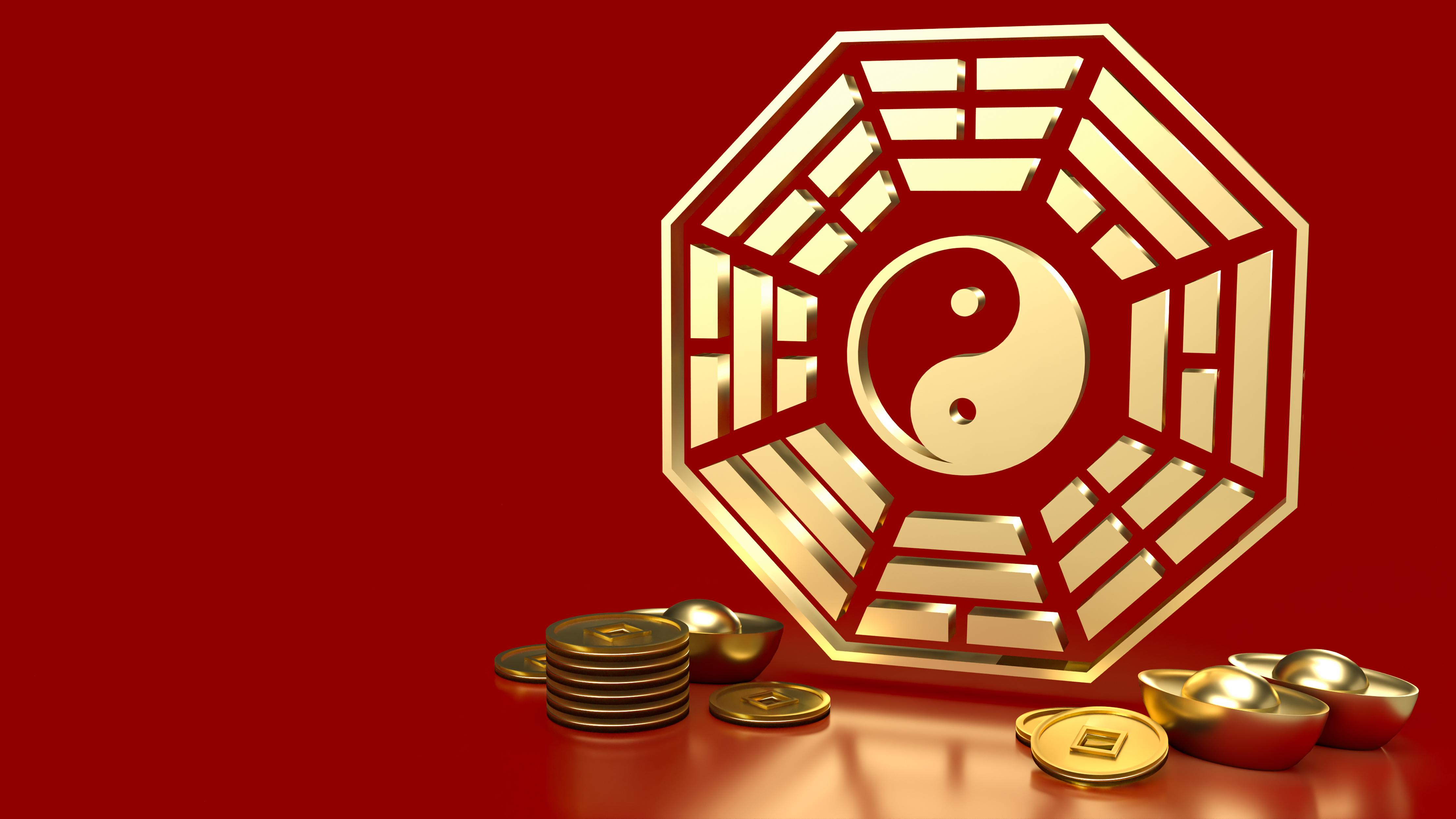
To improve Chi flow, one can use various techniques such as rearranging furniture, using mirrors wisely, and incorporating specific Feng Shui symbols like the Bagua mirror or Lucky Bamboo
Yin and Yang Balance
The balance between Yin and Yang energies is crucial in Feng Shui. Yin represents calm, passive energy, while Yang symbolizes active, energetic forces. Achieving a harmonious balance between these opposing energies is key to a peaceful living environment.
The Commanding Position
The commanding position refers to the placement of furniture in a way that you have a clear view of the door, but not directly in line with it. This position is believed to enhance a sense of safety and security while allowing the Chi to flow freely.
Space Clearing Techniques
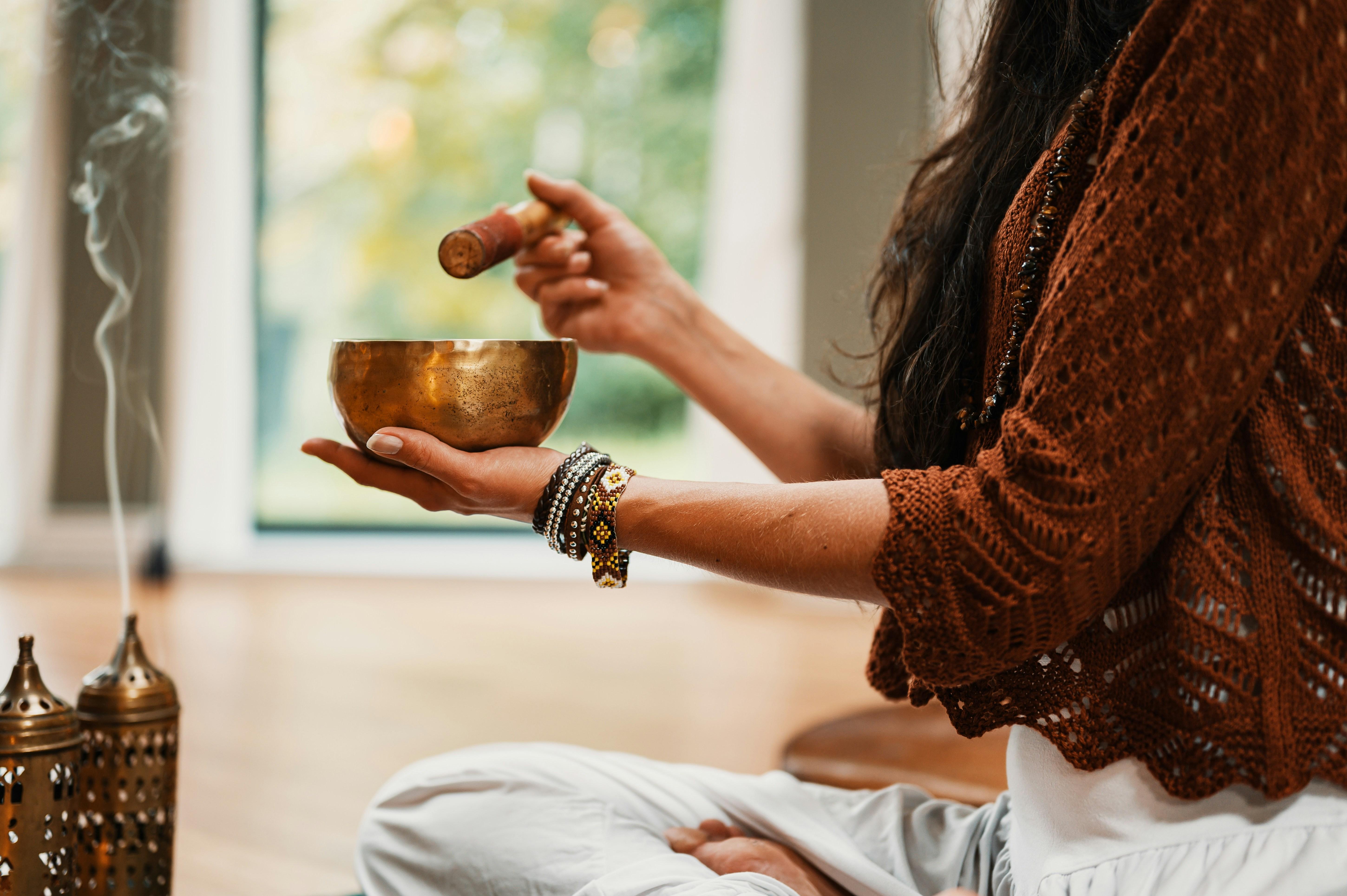
Space clearing involves removing negative energies from a space to restore balance and harmony. Techniques include smudging with sage, using sound healing, and performing rituals to purify the environment.
The Five Elements of Feng Shui
In Feng Shui, the five elements play a crucial role in creating harmony and balance in our living spaces. These elements are the fundamental building blocks that help us understand and manipulate the energy, or 'chi,' in our environment.
Wood: Growth and Vitality
The Wood element represents growth, vitality, and new beginnings. It is associated with the color green and is often incorporated through decor items such as plants, wooden furniture, and green ceramics.
Wood Element Decor Items
- Plants and fresh flowers
- Wooden furniture and decor
- Green glass or ceramics
- Artwork depicting nature
Fire: Passion and Energy
The Fire element embodies passion, energy, and transformation. It is represented by the color red and can be incorporated through candles, fireplaces, and red decor items.
Incorporating Fire Safely
When incorporating the Fire element, it's essential to do so safely. Ensure that candles and fireplaces are maintained properly and kept away from flammable materials.
Earth: Stability and Nourishment
The Earth element provides stability and nourishment. It is associated with the colors yellow, beige, and terracotta, and can be incorporated through earthy decor items, crystals, and natural materials.
Metal: Clarity and Precision
The Metal element represents clarity, precision, and determination. It is associated with the colors white and metallic tones, and can be incorporated through metal decor items, wind chimes, and metallic finishes.
Water: Wisdom and Serenity
The Water element symbolizes wisdom, serenity, and flow. It is represented by the color blue and can be incorporated through water features, blue decor items, and reflective surfaces.
Creating Elemental Balance in Your Home
Achieving balance among the five elements is key to creating a harmonious living space. Here’s a simple table to help you understand how to balance the elements:
| Element | Color | Decor Items |
|---|---|---|
| Wood | Green | Plants, wooden furniture |
| Fire | Red | Candles, fireplaces |
| Earth | Yellow, beige | Crystals, natural materials |
| Metal | White, metallic | Metal decor, wind chimes |
| Water | Blue | Water features, blue decor |
By understanding and balancing the five elements, you can enhance the energy in your home, creating a more harmonious and balanced living environment.

The Bagua Map: Mapping Energy in Your Space
In Feng Shui, the Bagua map plays a pivotal role in balancing and harmonizing the energy within your environment. It is a tool used to map the energy, or "chi," in your home, helping you understand how different areas correspond to various aspects of your life.
Understanding the Bagua Sections
The Bagua map is superimposed over your home's floor plan, dividing it into nine sections, each corresponding to a different area of life, such as wealth, relationships, and career. Each section is associated with specific elements, colors, and energies, which can be enhanced or adjusted to improve the corresponding area of your life.
Traditional vs. Western Bagua Approaches
There are two main approaches to applying the Bagua map: the Traditional Feng Shui method and the Western method. The Traditional method is more complex and considers the compass direction, while the Western method is simpler and focuses on the layout of your home. Both methods aim to achieve balance and harmony.
Applying the Bagua to Your Floor Plan
To apply the Bagua map, start by drawing a floor plan of your home. Then, superimpose the Bagua grid over it, aligning the bottom edge with the entrance to your home. This will help you identify which areas of your life correspond to different parts of your home.
Practical Mapping Exercise
Take a few moments to map the Bagua over your living space. Notice which areas are cluttered or neglected, as these may correspond to challenges in your life. By making adjustments and enhancements, you can improve the energy flow and positively impact your life.
Feng Shui for Your Home: Room-by-Room Guide
Creating a harmonious living environment starts with understanding the principles of Feng Shui in your home. By applying these ancient principles, you can enhance the energy flow and create a more balanced and peaceful living space.
Entryway: The Mouth of Chi
The entryway is considered the "mouth of Chi" where energy enters your home. To maximize the positive energy, ensure that your entryway is well-lit and clutter-free.
Door Colors and Materials
Choosing the right color and material for your front door can significantly impact the energy entering your home. For instance, a red door can symbolize good luck and prosperity.
- Select a door color that aligns with the Feng Shui elements (e.g., red for fire energy).
- Use durable materials that can withstand the elements.
Living Room: Creating a Welcoming Gathering Space
The living room is where family and friends gather, making it a crucial area for Feng Shui application.
Furniture Arrangement Principles
Arrange your furniture to facilitate conversation and create a sense of community.
- Place the sofa in a commanding position, facing the door but not directly in line with it.
- Avoid placing furniture in a way that creates a straight line to the door.

Kitchen: The Nourishment Center
The kitchen represents nourishment and health. To enhance the energy, keep your kitchen clean and organized.
Bedroom: Designing for Restful Energy
A well-designed bedroom is crucial for restful sleep and relaxation.
Bed Placement Guidelines
Position your bed in a commanding position, with a clear view of the door but not directly in line with it.
Color Schemes for Better Sleep
Choose calming colors for your bedroom walls and bedding to promote relaxation.
- Soft blues and greens can create a soothing atmosphere.
- Avoid bright and bold colors that can stimulate energy.
Bathroom: Managing Water Energy
Bathrooms are associated with water energy, which can be both beneficial and challenging to manage.
| Feng Shui Tip | Benefit |
|---|---|
| Keep the bathroom door closed | Prevent energy from escaping |
| Use a bathroom mat in a calming color | Enhance relaxation |
| Avoid placing plants in the bathroom | Prevent moisture buildup |
By applying these Feng Shui tips room by room, you can create a more harmonious and balanced living environment that enhances your overall well-being.
Feng Shui for Your Office: Boosting Productivity and Success
Optimizing your office with Feng Shui can result in a more successful and fulfilling career. By applying ancient Feng Shui principles, you can create a workspace that not only enhances your productivity but also fosters a positive and supportive environment.
Desk Placement and Orientation
The placement of your desk is crucial in Feng Shui. It's recommended to position your desk in a commanding position, which means sitting with your back to a solid wall and facing the door, but not directly in line with it. This position provides a sense of security and control.
Key considerations for desk placement:
- Avoid placing your desk directly under a sloping ceiling or a heavy overhead beam.
- Position your desk to have a clear view of the door, but not directly in line with it.
- Use a chair with a high back for support and stability.
Office Colors and Materials
Colors and materials in your office can significantly impact your energy and productivity. Choose colors that align with your work goals. For instance, blue can enhance creativity, while green can promote balance and growth.
| Color | Effect |
|---|---|
| Blue | Enhances creativity and productivity |
| Green | Promotes balance and growth |
| Red | Stimulates energy and action |
Managing Electronic Equipment
Electronic equipment can disrupt the flow of Chi in your office. To manage this, keep your workspace organized, and avoid cluttering it with too many electronic devices.
Tips for managing electronic equipment:
- Keep cords and cables organized.
- Place your computer in a favorable direction according to Feng Shui principles.
- Use plants to purify the air and reduce electromagnetic radiation.
Creating a Balanced Workspace
A balanced workspace is essential for maintaining harmony and productivity. This can be achieved by balancing the elements in your office.
Home Office Considerations
For those working from home, it's crucial to separate your workspace from your personal space to maintain a healthy work-life balance. Dedicate a specific area for your office and keep it organized and clutter-free.
By implementing these Feng Shui principles, you can create an office environment that supports your career goals and enhances your overall well-being.
Powerful Feng Shui Symbols and Cures
The ancient art of Feng Shui employs various symbols and cures to balance and harmonize our environments. These elements are crucial in enhancing the positive energy, or Chi, in our homes and workplaces.
Lucky Bamboo and Plants
Lucky bamboo is one of the most popular Feng Shui symbols, believed to bring good fortune and prosperity. Plants, in general, are considered to enhance the energy in a space by purifying the air and adding a natural touch.
Benefits of Lucky Bamboo:
- Attracts positive energy
- Brings good fortune
- Enhances prosperity
Crystals and Their Properties
Crystals are used in Feng Shui to absorb and redirect energy. Different crystals have various properties that can be used to address specific issues, such as stress or negativity.
| Crystal | Property |
|---|---|
| Amethyst | Calming and protective |
| Citrine | Uplifting and energizing |
| Clear Quartz | Amplifies energy |
Mirrors: Placement and Purpose
Mirrors are used in Feng Shui to expand and reflect energy. Proper placement is crucial to avoid negative effects.
Tip: Avoid placing mirrors opposite doors or windows to prevent energy from being reflected away.
Water Features and Fountains
Water features and fountains are believed to attract wealth and prosperity by creating a soothing, water sound that enhances the energy flow.
Traditional Chinese Symbols
Traditional Chinese symbols, such as the Dragon and Phoenix, are used to represent power and harmony.
Modern Adaptations of Classical Symbols
Modern Feng Shui practices have adapted classical symbols to fit contemporary lifestyles, incorporating elements like modern art and innovative materials.
DIY Feng Shui: Simple Enhancements for Every Budget
Transform your living space with DIY Feng Shui projects that won't break the bank. Enhancing your home's energy doesn't have to be expensive. With a few simple adjustments, you can create a harmonious and balanced environment.
Weekend Feng Shui Projects
Start with small, manageable projects that can be completed over a weekend. Decluttering is a great place to begin, as it allows for the free flow of Chi. You can also try rearranging furniture to achieve a more commanding position or adding plants known for their positive energy, like lucky bamboo.
Cost-Effective Cures and Solutions
There are numerous cost-effective Feng Shui cures you can implement. For instance, using mirrors wisely can enhance the energy in your home. Placing a mirror opposite a window can reflect natural light and expand the space. Additionally, incorporating crystals can help balance the energy in specific areas.
Seasonal Feng Shui Updates
Updating your Feng Shui practices seasonally can keep your home's energy fresh and aligned with nature. This can involve changing decorations, rearranging certain areas, or incorporating elements associated with the current season. For example, adding water features in the winter can symbolize the flow of life and energy.
Feng Shui Maintenance Practices
Regular maintenance is crucial to sustaining the positive energy in your home. This includes keeping your space clean and clutter-free, regularly checking and adjusting your Feng Shui elements, and being mindful of the energy flow. By incorporating these practices into your routine, you can maintain a balanced and harmonious living environment.
Common Feng Shui Mistakes to Avoid
Many people enthusiastically adopt Feng Shui practices, only to inadvertently make mistakes that counteract their desired outcomes. Understanding these common errors can help you apply Feng Shui more effectively and enhance your living environment.
Clutter: The Chi Blocker
Clutter is one of the most significant obstacles to the free flow of Chi, or energy, in your home. Accumulated clutter can lead to stagnation in various areas of your life. Regular decluttering is essential to maintaining a smooth flow of energy.
Improper Bed Positioning
The positioning of your bed is crucial for restful sleep and overall well-being. Placing your bed directly in line with the door or under a sloping ceiling can make you feel vulnerable and affect your sleep quality.
Misaligned Doors and Windows
Doors and windows that are directly aligned can create a rush of energy that may lead to opportunities slipping away. Using a screen or a curtain can help mitigate this issue.
Neglecting the Bathroom and Kitchen Balance
The bathroom and kitchen are critical areas that significantly impact your home's energy. Ensuring these spaces are well-balanced and clutter-free is vital. For instance, keeping the bathroom door closed and using a toilet lid cover can help retain energy.
Overloading with Symbols and Cures
While Feng Shui symbols and cures can be beneficial, overloading your space with them can lead to confusion and dilute their effectiveness. It's essential to strike a balance and choose elements that resonate with you.
| Common Mistakes | Impact | Solution |
|---|---|---|
| Clutter Accumulation | Stagnation of Chi | Regular Decluttering |
| Improper Bed Placement | Poor Sleep Quality | Position Bed Strategically |
| Misaligned Doors and Windows | Loss of Opportunities | Use Screens or Curtains |
By being aware of these common Feng Shui mistakes and taking steps to correct them, you can create a more harmonious and balanced living environment that supports your well-being and prosperity.
Conclusion: Embracing Feng Shui for a Harmonious Life
By understanding and applying Feng Shui principles, you can create a living environment that promotes a harmonious life. A feng shui expert can guide you, but with the knowledge gained, you're empowered to make positive changes in your home and workspace.
Feng Shui is more than an ancient practice; it's a way to balance and harmonize your surroundings, enhancing the energy flow, or "chi," around you. By implementing the principles discussed, you can improve various aspects of your life, from relationships and career success to health and overall well-being.
Start your Feng Shui journey today by making small adjustments and observing the positive impact on your life. As you become more attuned to the principles of Feng Shui, you'll be able to create a more balanced and peaceful living space that supports your goals and aspirations.
FAQ
What is Feng Shui and how can it benefit my living environment?
Feng Shui is an ancient Chinese philosophy that aims to balance and harmonize the energies in a given space, such as a home or office, to improve the health, happiness, and overall well-being of its occupants.
How do I apply Feng Shui principles to my home or office?
To apply Feng Shui, start by understanding the Bagua map, which is a tool used to map the energy of a space. Then, consider the five elements (wood, fire, earth, metal, and water) and how to balance them in your space. You can also use Feng Shui symbols and cures, such as lucky bamboo or crystals, to enhance the energy.
What is the significance of the Bagua map in Feng Shui?
The Bagua map is a crucial tool in Feng Shui that helps to identify the different areas of a space and their corresponding energies. It is superimposed over a floor plan to determine which areas correspond to different aspects of life, such as wealth, relationships, or career.
How can I improve the energy flow (Chi) in my home or office?
To improve the energy flow, or Chi, you can use various techniques such as rearranging furniture, using mirrors, or adding plants. It's also essential to minimize clutter, as it can stagnate the energy.
What are some common Feng Shui mistakes to avoid?
Common mistakes include clutter accumulation, improper bed positioning, misaligned doors and windows, neglecting key areas like the bathroom and kitchen, and overloading with symbols and cures.
Can Feng Shui be applied to a small space or apartment?
Yes, Feng Shui can be applied to any space, regardless of its size. For small spaces, it's essential to optimize the use of space, minimize clutter, and use multi-functional furniture to create a harmonious and balanced environment.
How often should I update my Feng Shui decor and arrangements?
It's recommended to review and update your Feng Shui decor and arrangements seasonally or when you feel that the energy in your space is stagnant. You can also make adjustments when you experience significant changes in your life.