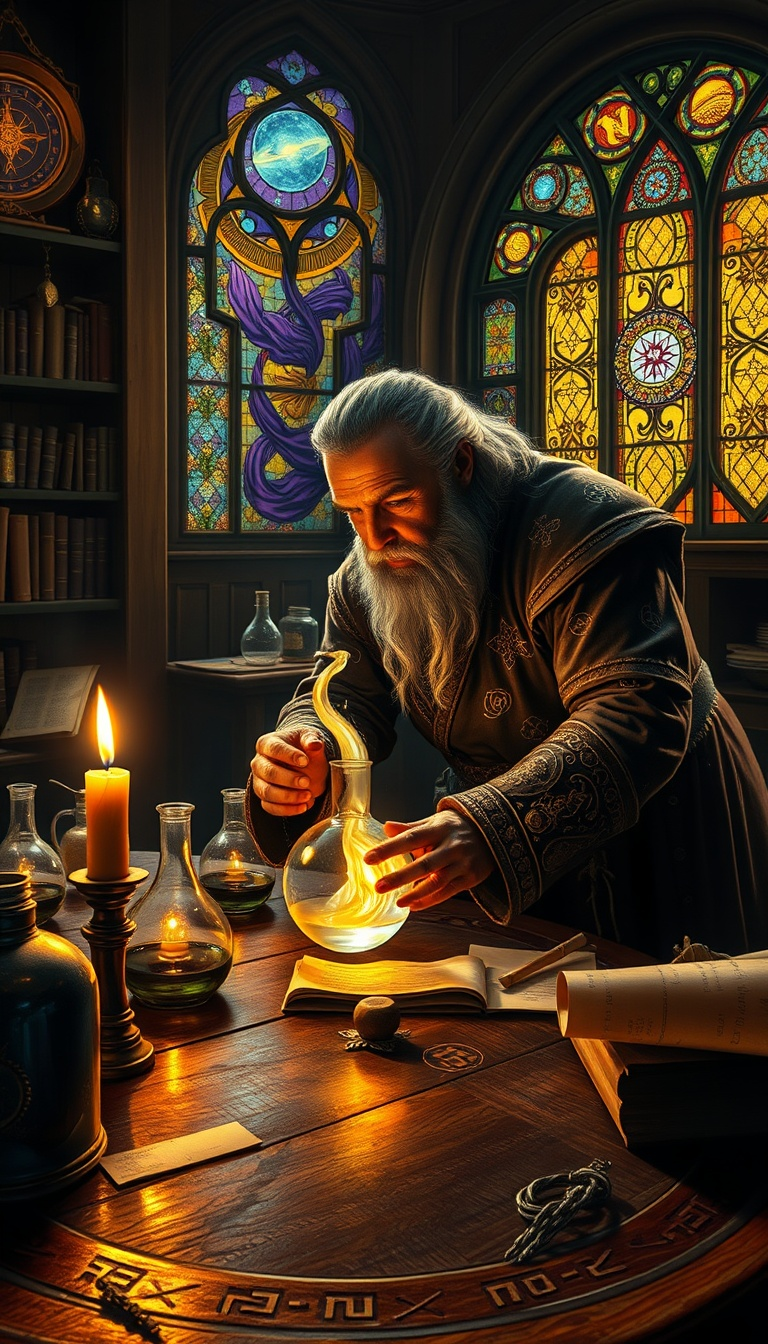
Parallel Lives: Unraveling the Psyche and Exploring Inner Connections
The idea of parallel lives has long fascinated people as they ponder the mysteries of existence and connection. In literature, philosophy, and even in everyday conversation, the concept often appears as a metaphorical representation of human experiences – that our lives might mirror or echo those around us, without necessitating physical counterparts.
Exploring this notion further reveals how parallel lives serve not as literal truths but psychological ones; they speak to our desires for connection and understanding amidst the chaos of life. Through examination of various works and their treatments of this concept, we can begin to understand its power in shaping human thought and behavior.
In Les Miserables, Victor Hugo uses parallel lives to underscore the interconnectedness of humanity. Characters like Jean Valjean, Javert, and Cosette experience seemingly unrelated trials and tribulations, only for their paths to cross dramatically at key moments in their lives. These plot twists highlight how our actions can reverberate through time and space, impacting others we may never meet or even know exist. In a more personal context, parallel lives might manifest as shared experiences between friends or family members – from similar interests to overlapping life events. While these parallels do not demand physical counterparts, they illustrate the inherent links that bind us together on this journey called life. Moreover, contemporary science has lent credence to this psychological interpretation of parallel lives through concepts like quantum entanglement and string theory. These theories suggest that particles can be interconnected across vast distances, implying an underlying unity in the universe's fabric. If our understanding of reality is shaped by these scientific revelations, perhaps it is not so far-fetched to entertain the idea of parallel lives as psychological truths. In conclusion, parallel lives serve less as literal depictions of human existence and more as metaphors for our interconnectedness on a profound level. These conceptual frameworks offer insight into how we relate to one another in ways that transcend physical proximity or temporal boundaries. By embracing this psychological truth, we can better appreciate the intricate tapestry of life's many threads – ultimately finding solace in knowing that we are never truly alone. 
What Are Parallel Lives in Psychology?
The concept of parallel lives is not to be confused with the idea of doppelgangers or alternate realities. Instead, it refers to the psychological phenomenon where two individuals lead remarkably similar lives despite being unrelated and living in different environments.
Parallel lives can manifest in various ways: shared hobbies, interests, and even life events such as marriage, divorce, or career changes. While this may seem like a violation of the laws of probability, it is crucial to understand that these similarities do not necessarily imply causality. Instead, they represent coincidences shaped by common human experiences.
These parallels can be particularly striking when considering historical figures from different backgrounds who lived at the same time or famous personalities in modern society. For example, consider the lives of Nelson Mandela and Martin Luther King Jr., both champions for civil rights and equality. Despite their geographical and cultural differences, they experienced similar struggles and triumphs, leading to remarkable parallels in their personal and professional lives.
Parallel lives can also be found among everyday individuals who share common interests or experiences. For instance, two people living in separate cities might discover that both have a passion for rock climbing, having started at the same age and even experiencing similar injuries during their climbs. While these parallels may seem unusual, they are not entirely unexpected when considering shared human experiences.
How Parallel Lives Reflect Psychological Truths
In examining parallel lives, it is crucial to understand that these stories do not necessarily represent literal truths but rather psychological realities of their subjects.
This concept can be seen in numerous historical figures who lived concurrently. For instance, Julius Caesar and Cleopatra both experienced political turmoil during their reigns. However, the parallels between their lives extend beyond mere coincidence; they also reflect common human experiences such as ambition, betrayal, and power struggles.
Example: Consider the story of Alexander the Great and his teacher, Aristotle. While they never directly interacted, both men were influenced by their respective mentors - Philip II for Alexander and Plato for Aristotle. Their lives parallel each other not only in terms of personal growth but also as a representation of mentor-student relationships shaping future leaders.
Another example is the story of Napoleon Bonaparte and his rival, Duke of Wellington. Both men rose to power during Europe's turbulent early 19th century, and both faced numerous military victories and defeats. Their lives parallel each other in their shared experiences of conquests and territorial ambitions.
Bullet list:
- Parallels between Julius Caesar and Cleopatra: political turmoil, ambition, betrayal, power struggles
- Example of Alexander the Great and Aristotle: personal growth shaped by mentors
- Example of Napoleon Bonaparte and Duke of Wellington: shared experiences of conquests and territorial ambitions
In conclusion, parallel lives should be understood as psychological truths rather than literal representations. By recognizing these parallels, we can gain deeper insights into the human experience and appreciate how our stories intersect with those of others.
Exploring Inner Connections
The concept of parallel lives is often misunderstood as a literal phenomenon, when in fact it serves more as an illustration of psychological truths than actual coexistence. In examining these parallels, we must first understand that they exist not on a physical plane but within the realms of our minds and experiences.
These parallel lives are, in essence, metaphorical representations of the various paths our lives could have taken if circumstances had been different. For example, consider two people who grew up together but chose to pursue distinct career paths. One may become a doctor while the other becomes an artist. Although they physically diverged at some point, their parallel lives continue to intertwine in less tangible ways. The choices made by one will inevitably shape the experiences of the other.
In this context, parallel lives serve as reminders that our actions and decisions have far-reaching consequences - not just for ourselves but also for those around us. It is through these connections, both seen and unseen, that we can truly appreciate the intricate web of human existence.
Moreover, understanding the psychological implications behind the concept of parallel lives allows us to explore how the paths we take shape our identity and worldview. By examining these parallels, we gain valuable insight into the complex interplay between choice, circumstance, and self-perception.
- The metaphorical nature of parallel lives
- How psychological truths underpin the concept
- Examining personal connections in the context of diverging paths
- The impact on identity and worldview
Unraveling the Psyche
In our exploration of parallel lives as psychological truths, it is crucial to understand that these parallels are not necessarily literal duplicates but rather symbolic representations of the psyche's inner workings.
For instance, let us consider Carl Jung's concept of 'synchronicity' - the idea that seemingly unrelated events or coincidences hold deeper psychological significance. In this context, parallel lives might represent two individuals who, despite leading vastly different lives, share common experiences or challenges due to their inherent psychic connections.
Moreover, parallels can also manifest in the form of shared archetypes or collective unconsciousness. For example, consider Joseph Campbell's famous monomyth - 'The Hero's Journey.' This universal narrative structure has been echoed throughout history and across cultures in various forms, illustrating parallel lives as psychological truths rather than physical ones.
Another fascinating aspect is how parallels can emerge through the process of projection. As Freud noted, we often attribute our own unconscious desires or fears to others without realizing it. In this light, a person's 'parallel life' could be seen as an extension of their psyche projected onto another individual, creating a sense of duality and mirrored experiences.
Furthermore, parallels may exist within the realm of personal growth and development. As individuals evolve and change over time, they often encounter similar challenges or lessons that shape their character. These parallel experiences, though unique to each person's journey, can be seen as psychological truths shared by those who have traversed a similar path.

The Role of Synchronicity
In our exploration of parallel lives as psychological truths rather than literal realities, we must delve into the concept of synchronicity - a term coined by Swiss psychoanalyst Carl Jung to describe meaningful coincidences that are not explained by cause and effect.
Synchronicity suggests that events in one's life can be interconnected on a deeper, psychological level. For instance, imagine an individual who repeatedly dreams about a certain location they have never visited but somehow feel familiar with. Upon moving to that place years later, the person discovers hidden memories and connections to their past - these are instances where synchronicity may play a role in shaping one's life trajectory.
In another example, consider two strangers brought together by chance events who later form strong emotional bonds. While this might be attributed to fate or luck, considering synchronicity as an underlying principle reminds us that our unconscious minds can unconsciously attract similar experiences and people.
Synchronicity also emphasizes the importance of paying attention to these seemingly random coincidences - they may hold valuable insights into one's life purpose or personal growth. By recognizing patterns within these meaningful coincidences, individuals might uncover hidden motivations or desires that guide their actions.
To illustrate this point, let us examine Carl Jung's own experience with synchronicity. In his famous experiment on the 'Synchronistic Effect,' participants were asked to randomly select a series of numbered trays containing objects like coins and buttons. Unbeknownst to them, these numbers corresponded to specific letters of the alphabet when read sequentially. Participants then had to guess which letter they believed was being selected. The results showed that people's unconscious minds seemed to be aware of this hidden pattern - an example of how our psyche can perceive deeper connections in what appear to be mere coincidences.
Synchronicity thus serves as a powerful reminder for us to acknowledge and appreciate the psychological forces at work within our lives. By understanding that parallel lives may exist on an emotional or spiritual level rather than just physically, we open ourselves up to exploring new facets of human existence - ones that transcend the limits of traditional logic.
- Example 1: A person's recurring dream about a familiar location they've never visited
- Example 2: Two strangers forming strong emotional bonds after chance encounters
Examples of Parallel Lives in Psychology
The concept of parallel lives is often misunderstood as being directly related to the idea of doppelgangers or identical twins living similar lives. However, in psychology, parallel lives refer to the notion that individuals can have similar experiences and thought processes without sharing a physical connection.
One example of this phenomenon can be observed in identical twins separated at birth. Despite not having any contact with each other during their formative years, they may still exhibit striking similarities in their personalities, interests, and even life choices. This is because they share the same genetic makeup and prenatal environment, which can result in similar epigenetic modifications that affect gene expression.
Another example of parallel lives can be found in cases of adopted children who discover later in life that they have a biological sibling with whom they share many commonalities. These similarities might not only include physical features but also extend to their cognitive abilities, emotional intelligence, and behavioral patterns.
In some instances, individuals who do not share any familial ties may still exhibit parallel lives due to shared cultural or societal influences. This can occur when multiple people from the same generation grow up in the same neighborhood, attend the same schools, and experience similar life events that shape their beliefs and values. The resulting psychological similarities might manifest as identical career choices, relationship preferences, or even hobbies.
Parallel lives serve as an intriguing area of study for psychologists interested in understanding human behavior and thought processes. By examining these parallels, researchers can gain insights into the role genetics, environment, culture, and chance play in shaping individual identities and life paths.
- Example 1: Identical twins separated at birth
- Example 2: Adopted children discovering biological siblings
- Example 3: Shared cultural or societal influences
The Impact of Parallel Lives on Mental Health
The impact of parallel lives on mental health is an intriguing and multifaceted topic. Parallel lives, or the idea that two individuals could have led each other's life had circumstances been different, can be quite psychologically impactful.
For instance, consider a pair of twins who were separated at birth and raised in completely distinct environments. One twin might grow up to become a doctor, while the other becomes an artist. Though they share genetic and environmental similarities, their parallel lives could lead to vastly dissimilar mental health outcomes. The doctor may experience stress from demanding work hours, while the artist may struggle with financial insecurity.
In addition to these external factors, parallels in life can also create internal psychological effects on individuals. For example, a person who has always wanted to be an astronaut but never pursued this dream might find themselves feeling stuck or unfulfilled in their current career. This sense of dissatisfaction could lead to feelings of anxiety and depression.
Moreover, the concept of parallel lives can also affect one's self-esteem. If someone discovers that they are living a life parallel to another person who has achieved greater success, it might be difficult not to compare themselves to this individual. This constant comparison could erode their sense of self-worth and contribute to feelings of inadequacy.
- External factors
- Internal psychological effects
- Self-esteem issues
How Parallel Lives Relate to Carl Jung's Collective Unconscious
The concept of parallel lives has been an intriguing subject for many researchers and philosophers over time. It is often interpreted as individuals who lived in different eras or places but experienced similar events, circumstances, or emotions. This notion can be linked to Carl Jung's theory on the collective unconscious. In this section, we will delve into how parallel lives relate to Jung's idea of a shared, inherited pool of human experiences and symbolism.
Jung believed that the collective unconscious is comprised of universal symbols, archetypes, and experiences that humans share across time and space. These psychological patterns are present in every individual, regardless of their personal history or cultural background. The theory suggests that these commonalities stem from our innate biological predispositions and shared human experiences throughout evolution.
In this context, parallel lives can be seen as manifestations of the collective unconscious. If we consider two individuals living in vastly different environments but still experiencing similar emotions or events, it is possible to view those parallels not just as coincidental connections but as evidence of the collective unconscious at work. For instance, a poet from the 19th century and a contemporary artist might both create works that evoke feelings of isolation and despair despite having no direct contact with each other's lives.
The concept of parallel lives can also be used to explore how individuals may unconsciously connect with their ancestors' experiences through the collective unconscious. This connection could influence an individual's personality traits, emotions, or even creative expressions without them being aware of such influences. As a result, these parallels serve as a testament to our shared human psyche and the enduring power of the collective unconscious.
In conclusion, parallel lives can be seen as psychological truths rather than literal ones. They provide insight into Carl Jung's theory on the collective unconscious by demonstrating how individuals across time and space may share similar experiences, emotions, or symbolism. These parallels highlight our inherent human connections and emphasize the importance of understanding ourselves in light of this shared psyche.

The Significance of Parallel Lives in Spiritual Traditions
The concept of parallel lives is not only fascinating but also significant in spiritual traditions. Parallel lives refer to the idea that every individual has multiple potential lives based on different choices and actions they could have taken throughout their existence.
In many spiritual traditions, such as Hinduism and Buddhism, the concept of karma plays a crucial role in determining an individual's life path. According to this belief system, one's actions and intentions create energy that determines their future experiences. This can be interpreted as living parallel lives – where each decision creates a new branch on the 'life tree', leading down different paths.
For instance, consider a person who chooses between going for a walk or staying at home to watch TV. In one life, they may have chosen to go for a walk and stumbled upon an opportunity that changed their entire life path. However, in another parallel life where they chose to stay at home, they might miss out on this opportunity.
Additionally, the idea of parallel lives can be linked with quantum physics' concept of 'many-worlds interpretation'. This theory suggests that all possible outcomes of a given decision or event create separate universes. Therefore, every time an individual makes a choice, multiple versions of them are created and continue to live out different possibilities.
While the concept of parallel lives can be unsettling for some, it is essential in understanding how choices shape our reality. It highlights that each decision we make has consequences beyond just our immediate perception – impacting potential futures and even past decisions. This notion also emphasizes personal responsibility, as every action creates ripples through multiple parallel lives.
The Role of Art in Exploring Parallel Lives
The exploration of parallel lives is often seen as an examination of literal truths, but in reality, it is more about psychological truths than anything else. Art has played a significant role in delving into these complex ideas and presenting them to audiences through various mediums such as literature, film, and visual arts.
One example of this can be found in the works of French author Albert Camus. His novel 'The Stranger' tells the story of Meursault, an emotionally detached individual who commits a murder and is sentenced to death for his crime. Throughout the narrative, it becomes apparent that Meursault's life has been shaped by various factors including cultural norms, personal beliefs, and societal expectations.
Camus uses this narrative structure to explore how these external influences can mold an individual's personality and behavior. By doing so, he provides readers with a thought-provoking commentary on the nature of human existence and our capacity for change.
Another example comes from the realm of visual arts, specifically in the form of Vincent van Gogh's 'The Potato Eaters.' This iconic painting portrays a group of peasants sharing a meal together. While it may seem like a simple scene at first glance, upon closer inspection, one can see that each individual is captivated by their own thoughts and experiences.
This emphasis on the subjective nature of reality highlights how parallel lives can coexist within the same physical space without ever truly intersecting or influencing one another. Art allows us to delve into these intricate connections between people and offers a unique perspective on our shared human experience.
The Benefits of Studying Parallel Lives
The study of parallel lives offers numerous benefits to both individuals and society at large. Firstly, it provides an opportunity for people to gain insights into their own lives by examining the similarities and differences between themselves and others who have experienced similar circumstances.
For instance, comparing one's life with that of a historical figure or literary character can reveal patterns or themes that may not be immediately apparent in one's own experiences. This exercise can help individuals identify areas where they need to grow, change, or make different choices to achieve their goals and aspirations.
In addition to personal growth, the study of parallel lives can also foster empathy and understanding among diverse groups of people. By examining how others have navigated similar challenges, we can gain a deeper appreciation for the complexities of human experience and develop more compassionate responses to the struggles faced by those who are different from us.
Moreover, studying parallel lives can provide valuable lessons about resilience, perseverance, and adaptation in the face of adversity. These insights can help individuals cultivate greater emotional intelligence and adaptability, enabling them to better navigate life's ups and downs with grace and resilience.
- The benefits of studying parallel lives include personal growth, empathy, understanding among diverse groups of people, and valuable lessons about resilience and adaptation in the face of adversity.
Conclusion
The concept of parallel lives is often interpreted literally as individuals living in close proximity or sharing similar experiences. However, it's crucial to understand that these parallels are more psychological than literal truths.
In reality, we all lead unique lives shaped by our individual choices and circumstances. Yet, there will always be others whose paths have crossed ours in some way, shape, or form. This may manifest through shared interests, similar struggles, or even the same life lessons learned concurrently.
Understanding that parallel lives are psychological constructs can help us appreciate how our experiences contribute to our personal growth and development. It reminds us of the interconnectedness of humanity and highlights the importance of empathy and understanding for others' journeys.
This idea is further reinforced by Carl Jung's concept of 'synchronicity,' which suggests that seemingly coincidental events are actually meaningful connections between individuals and their collective unconscious. While this doesn't imply causality or determinism, it does remind us that we're all part of a larger whole, living parallel lives in the psychological sense.
So, while our literal paths may diverge, understanding that parallel lives exist on a psychological level can foster a greater appreciation for the interconnectedness and shared experiences that make up the human condition. In doing so, it encourages us to be more compassionate and understanding of others' journeys, despite our own unique paths.
FAQ
What is the difference between parallel lives and multiple realities?
While both concepts involve multiple existences, parallel lives focus on inner connections and psychological truths. Multiple realities might encompass physical manifestations or alternate dimensions.
How can understanding parallel lives help me in my personal growth journey?
By exploring the concept of parallel lives, you can gain a deeper self-awareness and understanding of your emotions and motivations. This knowledge can lead to greater empathy for others and more profound personal growth.