Qui Gong: Unlock Your Inner Harmony
Discover the ancient practice of Qui Gong, a powerful tool for achieving holistic wellness. This traditional Chinese exercise combines movement, breathing, and meditation to cultivate the body's energy, or "qi."
By practicing Qui Gong, individuals can experience a range of benefits, from reduced stress and improved balance to enhanced overall well-being. As a low-impact, accessible form of exercise, Qui Gong is suitable for people of all ages and abilities.

Embracing Qui Gong can be a transformative experience, allowing you to tap into your inner harmony and unlock a deeper sense of calm and clarity.
Key Takeaways
- Qui Gong is an ancient Chinese practice that combines movement, breathing, and meditation.
- Regular practice can reduce stress and improve overall well-being.
- Qui Gong is a low-impact exercise suitable for people of all ages and abilities.
- It can help cultivate the body's energy, or "qi."
- Qui Gong can enhance balance and overall physical fitness.
The Ancient Art of Qui Gong: Origins and History
The origins of Qui Gong are intricately linked with the development of traditional Chinese medicine and its holistic approach to health. This ancient practice has its roots deeply embedded in the philosophical and medical traditions of China, dating back thousands of years.
The Chinese Roots of Energy Cultivation
Qui Gong's history is closely tied to the concept of Qi, or life energy, which is central to traditional Chinese medicine. The practice involves cultivating and balancing Qi through various techniques, including movement, breath control, and meditation. As noted by a renowned practitioner, "Qui Gong is not just a physical exercise but a way to harmonize the body, mind, and spirit."
The early history of Qui Gong is not well-documented, but it is believed to have originated from ancient Chinese shamanic practices and rituals. Over time, it evolved and was influenced by various Chinese philosophical schools, including Taoism and Buddhism.
Evolution Through the Dynasties
Qui Gong evolved significantly through the Chinese dynasties, with each period contributing to its development. During the Han Dynasty, Qui Gong became more formalized and was recognized as a therapeutic practice. The practice continued to flourish during the Tang and Song Dynasties, with the development of new techniques and forms.
As energy healing practices, Qui Gong and traditional Chinese medicine have been intertwined throughout history, contributing to a rich legacy of holistic health practices in China and beyond.
Understanding the Philosophy Behind Qui Gong
Understanding Qui Gong requires exploring its philosophical foundations, centered on Qi and balance. Qui Gong is an ancient practice that originated in China, deeply rooted in the country's rich cultural and philosophical heritage.
The Concept of Qi (Life Energy)
The concept of Qi, or life energy, is fundamental to Qui Gong. Qi is believed to be the vital energy that flows through the body, and its balance is crucial for maintaining health and well-being. In Qui Gong practice, cultivating and balancing Qi is achieved through specific movements, breathing techniques, and meditation.
By focusing on Qi, practitioners can enhance their overall health, improve vitality, and promote a sense of calm and relaxation. This emphasis on Qi cultivation is what sets Qui Gong apart from other physical exercises, making it a holistic practice that integrates body, mind, and spirit.
Yin and Yang Balance in Practice
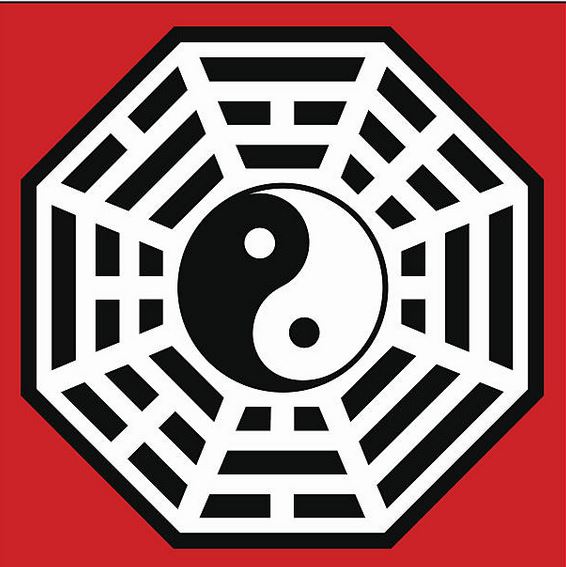
Another key philosophical aspect of Qui Gong is the balance of Yin and Yang. These two principles represent the harmonious opposites that exist in the universe, such as light and dark, or active and passive. In Qui Gong, practitioners aim to achieve a balance between Yin and Yang energies within the body.
| Principle | Characteristics | Qui Gong Application |
|---|---|---|
| Yin | Passive, receptive, cold | Slow, gentle movements; meditation |
| Yang | Active, creative, warm | Dynamic movements; deep breathing |
By balancing Yin and Yang, Qui Gong practitioners can achieve a state of harmony and equilibrium, contributing to overall well-being and stress reduction.
The Core Principles of Qui Gong Practice
To understand Qui Gong, it's essential to explore its core principles that guide the practice. Qui Gong is a holistic system that integrates the body, mind, and spirit through a combination of physical movements, breathing techniques, and mental focus.
Mindful Movement and Intention
Mindful movement is a critical component of Qui Gong. Practitioners perform slow, flowing movements that are designed to promote relaxation and inner balance. These movements are accompanied by a focused intention, which helps to cultivate a sense of awareness and connection to one's inner energy.
Breath Regulation Techniques
Breath regulation is another essential principle of Qui Gong. Breathing exercises are used to calm the mind, regulate the body's energy, and promote deep relaxation. Proper breathing techniques help to slow down the heart rate, lower blood pressure, and reduce stress.
Mental Focus and Meditation
Mental focus and meditation are vital aspects of Qui Gong practice. By concentrating the mind and quieting the thoughts, practitioners can achieve a state of inner peace and tranquility. This mental focus also helps to enhance the effectiveness of the physical movements and breathing techniques, making Qui Gong a powerful form of alternative medicine.
Physical Health Benefits of Regular Qui Gong Practice
The physical health benefits of Qui Gong are multifaceted, ranging from improved flexibility to enhanced circulation. Regular practice can lead to overall improvements in health and well-being. By incorporating Qui Gong into one's routine, individuals can experience these benefits firsthand.
Improved Flexibility and Balance
Qui Gong practice involves slow, flowing movements that help improve flexibility by gently stretching the muscles and tendons. Regular practice also enhances balance by strengthening the core and improving proprioception. This can be particularly beneficial for older adults or individuals with mobility issues.
Enhanced Circulation and Immune Function
Qui Gong has been shown to improve circulation, which can help to nourish the body's tissues and organs. Enhanced circulation also supports immune function, helping the body to fight off infections more effectively. The practice is believed to promote the flow of Qi, or life energy, which is central to the concept of energy healing.
Pain Management and Healing Support
Regular Qui Gong practice has been associated with reduced pain and improved healing outcomes. The practice is thought to help manage pain by releasing endorphins, the body's natural painkillers, and by reducing inflammation. Additionally, Qui Gong's focus on relaxation and stress reduction can support the body's natural healing processes.
By reducing stress and promoting relaxation, Qui Gong can create an environment conducive to healing. This makes it a valuable complementary therapy for individuals dealing with chronic pain or recovering from injury.
Mental and Emotional Wellness Through Qui Gong
Qui Gong, with its roots in traditional Chinese medicine, provides a unique blend of physical movement and meditation techniques that foster mental and emotional wellness. By practicing Qui Gong, individuals can experience a significant improvement in their overall mental health.
Stress Reduction and Anxiety Relief
One of the primary benefits of Qui Gong is its ability to reduce stress and alleviate anxiety. Through slow, flowing movements and deep breathing exercises, Qui Gong helps calm the mind and relax the body.
Regular Qui Gong practice has been shown to decrease the production of stress hormones like cortisol, leading to a more balanced and peaceful state of being.
Emotional Balance and Resilience
Qui Gong also plays a crucial role in enhancing emotional balance and resilience. By cultivating a greater awareness of the body and its energy, practitioners can better manage their emotions and respond to challenging situations more mindfully.
| Benefits | Description |
|---|---|
| Stress Reduction | Qui Gong helps reduce stress hormones and promotes relaxation. |
| Emotional Balance | Qui Gong enhances emotional awareness and resilience. |
Different Styles and Forms of Qui Gong
Qui Gong is not a single, uniform practice; it includes various styles that serve different purposes. This diversity allows practitioners to choose a form that aligns with their personal goals, whether it's improving health, enhancing martial arts skills, or deepening spiritual awareness.

Medical Qui Gong for Healing
Medical Qui Gong is specifically designed to promote healing and is often used in conjunction with traditional Chinese medicine. It involves gentle movements and meditation to balance the body's energy and support recovery from illness.
Common Healing Sequences
Some common sequences in Medical Qui Gong include exercises that target specific health issues, such as improving circulation or relieving stress. These sequences are typically gentle and accessible, making them suitable for individuals with health concerns.
Martial Qui Gong for Strength
Martial Qui Gong focuses on developing internal power and strength, making it a valuable practice for those interested in martial arts. It combines movement, breath control, and mental focus to enhance physical capabilities.
Spiritual Qui Gong for Inner Development
Spiritual Qui Gong is practiced to cultivate a deeper sense of inner peace and connection to one's spiritual nature. It involves meditation, visualization, and movement to balance the body's energy and promote holistic wellness.
| Style | Focus | Benefits |
|---|---|---|
| Medical Qui Gong | Healing and health | Balances energy, supports recovery |
| Martial Qui Gong | Internal power and strength | Enhances physical capabilities |
| Spiritual Qui Gong | Inner peace and spiritual growth | Promotes holistic wellness, deepens spiritual connection |
In conclusion, the various styles of Qui Gong offer a range of benefits, from physical health improvements to spiritual growth. By understanding the different forms, practitioners can choose the style that best suits their needs and goals.
Essential Qui Gong Exercises for Beginners
The practice of Qui Gong encompasses a variety of techniques, but certain exercises are essential for beginners to master. These foundational practices will help you build a strong foundation and enhance your overall Qui Gong experience.
Foundational Standing Postures
Standing postures are a fundamental aspect of Qui Gong, helping to establish balance, alignment, and energy flow. One of the most important standing postures is the Tree Stance.
Embracing the Tree Stance
The Tree Stance, also known as Zhan Zhuang, is a powerful posture that promotes relaxation, balance, and inner energy. To practice, stand with your feet shoulder-width apart, knees slightly bent, and arms relaxed by your sides. Feel the ground beneath your feet and imagine roots growing from the soles, deep into the earth.
Simple Movement Sequences
Qui Gong involves a series of flowing movements that help to cultivate and balance your energy. One popular sequence is the Eight Pieces of Brocade.
Eight Pieces of Brocade Practice
The Eight Pieces of Brocade is a set of exercises designed to enhance vitality and well-being. It includes movements such as "Separating the Clouds" and "Touching the Heaven and Earth," which help to stimulate the flow of Qi and promote harmony within the body.
Breathing Practices for Energy Cultivation
Breathing exercises are a crucial component of Qui Gong, helping to cultivate and balance your inner energy. Practice deep, diaphragmatic breathing by inhaling through your nose and exhaling through your mouth. Focus on expanding your belly as you inhale, allowing your diaphragm to drop and your lungs to fill fully.
Tips for Effective Breathing:
- Relax your shoulders and chest
- Use your diaphragm to guide your breath
- Practice regularly to enhance your lung capacity
Common Misconceptions About Qui Gong
As Qui Gong continues to gain recognition worldwide, it's essential to address common misconceptions surrounding this ancient practice. Many people confuse Qui Gong with other traditional Chinese exercises or misunderstand its spiritual and religious aspects.
Qui Gong vs. Tai Chi: Understanding the Differences
Qui Gong and Tai Chi are both ancient Chinese practices that involve movement, breath control, and meditation. However, they have distinct differences in their focus and approach. Tai Chi is often characterized by its slow, flowing movements and is typically practiced as a form of exercise for overall health. In contrast, Qui Gong encompasses a broader range of practices, including static postures, dynamic movements, and meditation, focusing on cultivating and balancing the body's energy, or "qi."

| Practice | Focus | Approach |
|---|---|---|
| Qui Gong | Cultivating and balancing qi | Varied practices including static postures, dynamic movements, and meditation |
| Tai Chi | Slow, flowing movements for overall health | Typically practiced as a form of exercise |
Addressing Spiritual and Religious Confusion
Qui Gong is often associated with spiritual and religious practices, but it's not necessarily a religious practice itself. While it has roots in traditional Chinese spirituality, Qui Gong can be practiced by people of all faiths and backgrounds as a form of alternative medicine and energy healing. The practice focuses on cultivating a sense of inner peace, balance, and harmony, which can complement various spiritual or religious beliefs.
In conclusion, understanding the differences between Qui Gong and other practices like Tai Chi, as well as clarifying its spiritual and religious aspects, can help dispel common misconceptions and allow individuals to appreciate the true value of Qui Gong in promoting overall well-being.
Integrating Qui Gong into Your Daily Life
Daily Qui Gong practice is a simple yet effective way to cultivate inner harmony and balance. By incorporating Qui Gong into your daily routine, you can experience significant improvements in both physical and mental health.
To start, consider how you can weave Qui Gong into your morning, midday, and evening routines. This can help create a balanced and sustainable practice that fits into your busy lifestyle.
Morning Practices for Energy Activation
Begin your day with a gentle Qui Gong routine to activate your energy. Simple exercises like standing postures and flowing movements can help increase circulation and prepare your body for the day ahead. Morning Qui Gong can set a positive tone for the day, enhancing your mental clarity and focus.
Midday Resets for Stress Management
Use Qui Gong as a midday reset to manage stress and refocus your mind. Even a few minutes of deep breathing and gentle movement can help reduce tension and improve productivity. Qui Gong can be a valuable tool for maintaining emotional balance during challenging times.
Evening Routines for Relaxation
In the evening, practice Qui Gong to unwind and relax. Slow, flowing movements and meditation can help calm the mind and prepare the body for restful sleep. Regular evening Qui Gong practice can lead to improved sleep quality and overall relaxation.
Creating a Sustainable Practice Schedule
To make Qui Gong a lasting part of your daily life, create a practice schedule that is realistic and achievable. Start with short sessions and gradually increase the duration as you become more comfortable with the practice. Consistency is key to experiencing the full benefits of Qui Gong.
| Time of Day | Qui Gong Practice | Benefits |
|---|---|---|
| Morning | Standing postures and flowing movements | Energy activation, improved circulation |
| Midday | Deep breathing and gentle movement | Stress reduction, improved focus |
| Evening | Slow movements and meditation | Relaxation, improved sleep quality |
By integrating Qui Gong into your daily routine, you can experience these benefits firsthand and cultivate a deeper sense of harmony and balance in your life.
Scientific Research on Qui Gong's Health Benefits
A growing body of evidence from clinical studies has validated the effectiveness of Qui Gong in improving health outcomes. As a practice rooted in traditional Chinese medicine, Qui Gong has been increasingly examined through the lens of modern scientific research.
Clinical Studies and Evidence
Numerous clinical studies have investigated the impact of Qui Gong on various health conditions. Research has shown that regular Qui Gong practice can lead to improvements in:
- Cardiovascular health
- Immune function
- Chronic pain management
- Mental health and stress reduction
These studies often involve large sample sizes and control groups, providing robust evidence for the benefits of Qui Gong. For instance, a study published in the Journal of Alternative and Complementary Medicine found that Qui Gong practice significantly reduced symptoms of depression in patients.
Western Medical Perspectives
From a Western medical perspective, the benefits of Qui Gong are thought to be related to its effects on the body's physiological processes. Research suggests that Qui Gong can:
- Reduce inflammation
- Improve cardiovascular function
- Enhance the body's stress response
Western medical professionals are increasingly recognizing the value of incorporating holistic wellness practices like Qui Gong into treatment plans. By combining traditional techniques with modern medical understanding, healthcare providers can offer patients a more comprehensive approach to health and wellness.
Conclusion: Embracing the Journey of Qui Gong
As we have explored throughout this article, Qui Gong is a holistic practice that offers numerous benefits for overall well-being. By incorporating Qui Gong and its breathing exercises into your daily routine, you can experience improvements in physical flexibility, balance, and circulation, as well as enhanced mental clarity and emotional resilience.
The ancient art of Qui Gong provides a unique approach to cultivating life energy, or "qi," through mindful movement, breath regulation, and meditation. By embracing this practice, individuals can better manage stress, improve their immune function, and promote overall health.
As you begin or continue your Qui Gong journey, remember that consistency and patience are key. Start with simple exercises and gradually build your practice, exploring different styles and forms to find what suits you best. With regular practice, you can unlock the full potential of Qui Gong and enjoy a more balanced, harmonious life.
FAQ
What is Qui Gong and how does it differ from other forms of exercise?
Qui Gong is an ancient Chinese practice that combines movement, breathing techniques, and meditation to cultivate and balance the body's energy, or "qi." Unlike other forms of exercise, Qui Gong is focused on promoting inner harmony, relaxation, and overall well-being.
Can Qui Gong help with stress reduction and anxiety relief?
Yes, Qui Gong has been shown to be effective in reducing stress and anxiety by promoting relaxation, improving mood, and enhancing overall mental well-being. Regular practice can help calm the mind and balance the body's energy.
Is Qui Gong suitable for people of all ages and fitness levels?
Yes, Qui Gong is a low-impact, gentle practice that can be adapted to suit different ages and fitness levels. It is often used as a form of alternative medicine and can be beneficial for people with chronic health conditions or those seeking to improve their overall health.
How often should I practice Qui Gong to experience its benefits?
Regular practice is recommended to experience the benefits of Qui Gong. Ideally, practice Qui Gong at least 2-3 times a week, with daily practice being even more beneficial. Consistency is key to cultivating and balancing the body's energy.
Can Qui Gong be practiced in conjunction with other forms of alternative medicine, such as traditional Chinese medicine?
Yes, Qui Gong is often used in conjunction with traditional Chinese medicine and other forms of alternative medicine. It can complement other healing practices and enhance overall well-being.
Are there any specific breathing exercises or meditation techniques used in Qui Gong?
Yes, Qui Gong involves various breathing exercises and meditation techniques to cultivate and balance the body's energy. These techniques help to calm the mind, relax the body, and promote inner harmony.
Can Qui Gong help improve my overall energy levels and reduce fatigue?
Yes, Qui Gong can help improve energy levels and reduce fatigue by cultivating and balancing the body's energy. Regular practice can also enhance overall physical and mental well-being.
Is it necessary to work with a qualified instructor to learn Qui Gong?
While it is possible to learn Qui Gong through online resources or books, working with a qualified instructor can be beneficial in ensuring proper technique and maximizing the benefits of the practice.
Links: