Tai Chi for Beginners: Unlock the Power of Ancient Wisdom
Discover the ancient art of Tai Chi, a practice that has been cultivating physical and mental well-being for centuries. This traditional Chinese exercise is not just a form of meditation in motion but a holistic approach to health, promoting balance and harmony within.

For beginners, Tai Chi offers a gentle and accessible way to improve flexibility, reduce stress, and enhance overall wellness. By incorporating slow, flowing movements and deep breathing techniques, individuals can experience the numerous benefits of this timeless practice.
Key Takeaways
- Understand the basics of Tai Chi and its ancient origins
- Learn how Tai Chi can improve physical and mental health
- Discover simple techniques for getting started with Tai Chi
- Explore the benefits of incorporating Tai Chi into your daily routine
- Find out how Tai Chi can enhance overall well-being
The Ancient Origins of Tai Chi
Tai Chi's journey from a traditional martial art to a modern wellness practice is a testament to its versatility and enduring appeal.
The history of Tai Chi is deeply rooted in Chinese martial arts, dating back to the 16th century. Originally known as Tai Chi Chuan, it was developed as a form of self-defense that emphasized slow, flowing movements and mental focus.
From Martial Art to Wellness Practice
Over time, Tai Chi evolved to incorporate elements of meditation, deep breathing, and traditional Chinese philosophy, transforming it into a holistic practice that benefits both body and mind.
The Philosophy Behind Tai Chi
Tai Chi is grounded in the principles of yin and yang, the concept of chi (life energy), and the harmony of opposites. Practitioners believe that by cultivating and balancing their chi, they can achieve better health and inner peace.
| Key Concept | Description |
|---|---|
| Yin and Yang | The harmony of opposites, symbolizing the balance in the universe. |
| Chi (Life Energy) | The vital energy believed to flow through the body, crucial for health and vitality. |
What Is Tai Chi? Understanding the Fundamentals
As a holistic exercise system, Tai Chi combines slow, flowing movements with deep breathing techniques to promote relaxation and well-being. This ancient practice has its roots in traditional Chinese martial arts but has evolved significantly over time.
Defining Tai Chi in Modern Terms
In contemporary terms, Tai Chi is recognized as a form of meditative exercise that enhances physical stability, flexibility, and mental clarity. It is often practiced for its health benefits, including stress reduction and improved cardiovascular health.
How Tai Chi Differs from Other Martial Arts
Unlike more physically demanding martial arts, Tai Chi is characterized by its slow and controlled movements. This distinction makes Tai Chi accessible to people of all ages and fitness levels.
The Concept of Chi (Energy) in Practice
The concept of chi (or "qi") is central to Tai Chi practice. It refers to the vital energy that flows through the body, which practitioners believe can be cultivated and balanced through Tai Chi exercises.
| Key Elements | Description |
|---|---|
| Slow Movements | Promotes relaxation and balance |
| Deep Breathing | Enhances mental clarity and reduces stress |
| Chi Cultivation | Balances the body's vital energy |
The Remarkable Health Benefits of Tai Chi
Tai Chi offers a multitude of health benefits that can significantly improve one's quality of life. This ancient practice has been shown to enhance both physical and mental well-being, making it an ideal activity for individuals of all ages.
Physical Benefits
The physical benefits of Tai Chi are numerous and well-documented. Regular practice can lead to significant improvements in overall health.
Improved Balance and Flexibility
Tai Chi helps improve balance and flexibility by promoting a range of motion exercises and strengthening the muscles. This can be particularly beneficial for older adults or individuals with mobility issues.
Muscle Strength and Joint Health
The slow, controlled movements of Tai Chi help build muscle strength and improve joint health. This can lead to better overall mobility and reduced risk of injury.
Mental and Emotional Benefits
In addition to its physical benefits, Tai Chi also offers numerous mental and emotional advantages. Practitioners often report feeling more relaxed and focused.
Stress Reduction and Mindfulness
Tai Chi is known for its ability to reduce stress and promote mindfulness. The slow, meditative movements help calm the mind and promote a sense of inner peace.
Cognitive Improvements
Regular Tai Chi practice has been linked to cognitive improvements, including better concentration and memory. This makes it a valuable activity for individuals of all ages.
Some of the key benefits of Tai Chi include:
- Improved balance and coordination
- Increased flexibility and range of motion
- Enhanced muscle strength and joint health
- Reduced stress and anxiety
- Improved cognitive function
By incorporating Tai Chi into your daily routine, you can experience these benefits firsthand and enjoy a healthier, more balanced lifestyle.
Different Styles of Tai Chi for Beginners
Tai Chi encompasses various styles, each with unique characteristics and benefits. For beginners, understanding these differences is key to selecting a style that aligns with their goals and preferences.
Yang Style: The Most Popular Form
The Yang style is the most widely practiced form of Tai Chi, known for its slow, flowing movements. It's an excellent choice for beginners due to its emphasis on relaxation and inner balance.
Chen Style: The Original Form
Chen style is the oldest known form of Tai Chi, incorporating both slow and fast movements. It's more physically demanding than Yang style but offers a comprehensive workout.
Wu and Sun Styles: Gentler Alternatives
Wu and Sun styles are gentler and more focused on internal energy. They are suitable for those who prefer softer movements or have mobility issues.
| Style | Characteristics | Best For |
|---|---|---|
| Yang | Slow, flowing movements | Relaxation, balance |
| Chen | Mix of slow and fast movements | Physical workout, traditional practice |
| Wu/Sun | Gentle, internal focus | Soft practice, mobility issues |
Each Tai Chi style offers a unique approach to health and wellness. By understanding the characteristics of each, beginners can make an informed decision about which style to pursue.
Essential Principles of Tai Chi Practice
To fully benefit from Tai Chi, it's crucial to grasp the core principles that underpin this ancient martial art and wellness practice. These principles serve as the foundation upon which all Tai Chi movements are built, ensuring a harmonious and effective practice.
Mindfulness and Intention
Mindfulness is a cornerstone of Tai Chi practice, encouraging practitioners to be fully present and aware of their body position, movement, and the flow of energy (Chi). Intention is closely linked with mindfulness, as it involves focusing one's mental energy on the movements, thereby enhancing their quality and effectiveness.
Breath Coordination
Breath coordination is another vital principle, where the breath is synchronized with the movements. This synchronization helps to cultivate and balance the body's energy, promoting relaxation and reducing stress. Proper breathing techniques are essential for achieving a meditative state through Tai Chi practice.
Proper Body Alignment
Proper body alignment is fundamental to Tai Chi, ensuring that the body moves in a balanced and harmonious way. This involves maintaining correct posture, aligning the body correctly during movements, and ensuring that the weight is distributed appropriately. Correct alignment helps prevent injury and enhances the overall effectiveness of the practice.
By embracing these essential principles—mindfulness and intention, breath coordination, and proper body alignment—practitioners can deepen their Tai Chi practice, enjoying the full spectrum of physical, mental, and spiritual benefits that this ancient practice has to offer.
- Mindfulness enhances the quality of Tai Chi movements.
- Breath coordination promotes relaxation and energy balance.
- Proper body alignment prevents injury and improves practice effectiveness.
Getting Started with Tai Chi: What You Need
Embarking on a Tai Chi journey requires some basic preparation to ensure a smooth and enjoyable experience. As a beginner, it's essential to understand the fundamental requirements for starting your Tai Chi practice.
Appropriate Clothing and Footwear
Choosing the right clothing is crucial for Tai Chi. Opt for loose, comfortable clothing that allows for a full range of motion. Avoid anything too loose that might get in the way of your movements. For footwear, select shoes with flat soles and good arch support. Some practitioners prefer practicing barefoot, especially on soft surfaces.
Finding the Right Space
Identify a quiet, spacious area where you can practice without distractions. The space should be well-ventilated and have a smooth, even floor. A serene environment can enhance your Tai Chi experience, so consider adding some calming elements like plants or soft music.
Setting Realistic Expectations
It's crucial to set realistic expectations when starting Tai Chi. Understand that it's a journey, not a destination. Begin with short practice sessions and gradually increase the duration as you become more comfortable with the movements.

Finding Tai Chi Instruction: Classes vs. Self-Learning
When starting your Tai Chi journey, one of the first decisions you'll face is whether to join a class or learn on your own. Both methods have their advantages, and the best choice depends on your personal learning style, schedule, and preferences.
Benefits of Working with an Instructor
Working with a qualified Tai Chi instructor can significantly enhance your learning experience. An instructor can provide personalized feedback on your form, helping you to correct any mistakes and improve more quickly. They can also offer motivation and support, which is particularly valuable for beginners.
How to Choose the Right Class or Teacher
When selecting a Tai Chi class or teacher, consider factors such as the instructor's qualifications, the style of Tai Chi being taught, and the class environment. Look for experienced instructors who are certified and have a teaching style that suits your needs. Observing a class before joining can give you a sense of whether it's the right fit.
Quality Online Resources for Self-Practice
For those who prefer self-learning or need supplementary practice, there are many quality online resources available. Websites and apps offering Tai Chi tutorials can provide structured lessons and flexibility in your practice schedule. Look for resources that include clear instructions and video demonstrations to help you learn effectively.
Basic Tai Chi Movements for Beginners
As you begin your Tai Chi journey, it's essential to start with the basics, including simple yet powerful movements that form the foundation of this ancient practice. Tai Chi movements are designed to promote balance, flexibility, and inner peace, making it an ideal exercise for people of all ages.

Essential Warm-Up Exercises
Before diving into Tai Chi forms, it's crucial to start with some essential warm-up exercises. These exercises help prepare your body for the movements ahead, improving flexibility and reducing the risk of injury. Simple neck stretches, shoulder rolls, and gentle leg swings are excellent ways to begin.
Foundational Stances
Foundational stances are the building blocks of Tai Chi. They help improve balance and stability. Two of the most important stances for beginners are:
Horse Stance
The Horse Stance, also known as "Mǎ Bù," is a fundamental stance that strengthens the legs and improves balance. To perform the Horse Stance, stand with your feet shoulder-width apart, toes pointing slightly outward, and bend your knees.
Bow Stance
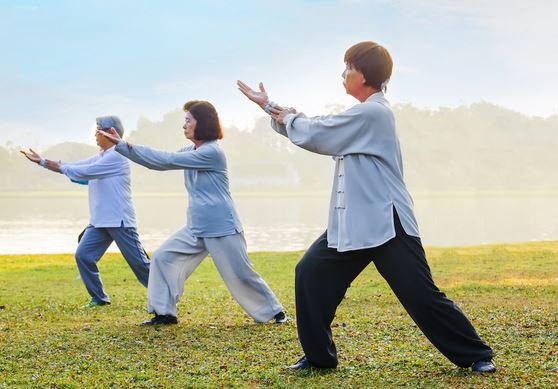
The Bow Stance, or "Gōng Bù," is another crucial stance that helps develop strength and coordination. To execute the Bow Stance, take a large step forward with one foot, keeping your back leg straight and your front knee bent.
Simple Hand Movements and Transitions
Tai Chi involves a series of simple hand movements and transitions that flow smoothly into one another. These movements help cultivate chi, or life energy, and promote relaxation. Beginners should practice these movements slowly and mindfully, focusing on the sensation of their hands and arms as they move.
By mastering these basic Tai Chi movements, beginners can build a strong foundation for their practice, enhancing their overall well-being and paving the way for more advanced techniques.
Your First Tai Chi Form: Step-by-Step Guide
Your first Tai Chi form is more than just a series of movements; it's an introduction to a holistic practice that harmonizes body and mind. As you begin, it's essential to understand that Tai Chi is not just about the physical movements but also about cultivating a calm and focused mind.
The Mini Form for Beginners
The mini form for beginners is a simplified version of the traditional Tai Chi forms, designed to introduce newcomers to the fundamental movements and principles. It typically includes a series of slow, flowing movements that help improve balance, flexibility, and inner peace.
- Start with the basic stances, ensuring your feet are shoulder-width apart and your weight is evenly distributed.
- Practice the slow, flowing movements, focusing on smooth transitions between postures.
- Pay attention to your breath, coordinating it with your movements to enhance relaxation and focus.
Common Mistakes to Avoid
As you learn your first Tai Chi form, it's helpful to be aware of common mistakes that can hinder your progress. These include:
- Rushing through the movements; Tai Chi is about slow, deliberate actions.
- Failing to maintain proper posture and alignment, which can lead to discomfort or injury.
- Not practicing regularly, as consistency is key to mastering Tai Chi.
Practice Tips for Mastery
To master your first Tai Chi form, practice regularly and focus on the quality of your movements. Here are some tips:
- Practice in front of a mirror to check your posture and alignment.
- Record yourself to analyze your movements and identify areas for improvement.
- Join a Tai Chi class or find a practice partner to stay motivated and learn from others.
By following these guidelines and practicing consistently, you'll not only master your first Tai Chi form but also deepen your understanding and appreciation of this ancient practice.
Adapting Tai Chi for Different Abilities and Conditions
The flexibility of Tai Chi allows it to be tailored to individual needs and capabilities, making it an inclusive practice for people of various ages and health conditions. This adaptability is one of the key reasons Tai Chi has become a popular choice for those seeking a low-impact, meditative form of exercise.
Seated Tai Chi Variations
For individuals with mobility issues or those who are unable to stand for long periods, seated Tai Chi variations offer a wonderful alternative. These modifications allow practitioners to experience the benefits of Tai Chi while seated, focusing on breathing techniques, gentle movements, and meditation.
Modifications for Limited Mobility
Tai Chi can be adapted for those with limited mobility by incorporating slower movements, using support devices when necessary, and focusing on the mental and spiritual aspects of the practice. This ensures that everyone can enjoy the benefits of Tai Chi, regardless of their physical capabilities.
Tai Chi for Specific Health Concerns
Tai Chi has been found to be beneficial for a range of health concerns, including chronic pain, cardiovascular disease, and balance disorders. By working with a qualified instructor, individuals can tailor their Tai Chi practice to address their specific health needs, enhancing their overall well-being.
By adapting Tai Chi to different abilities and conditions, practitioners can enjoy the many tai chi benefits, from improved balance and flexibility to reduced stress and enhanced mental clarity. Whether you're a tai chi beginner or an experienced practitioner, there's a Tai Chi approach that's right for you.
Conclusion: Embracing the Lifelong Tai Chi Journey
As you've discovered through this article, tai chi offers a wealth of benefits that extend far beyond the physical realm. By incorporating tai chi practice into your daily routine, you can experience profound improvements in both body and mind.
The journey of tai chi is a lifelong path, one that requires patience, dedication, and persistence. As you continue on this path, you'll find that the principles of tai chi - balance, harmony, and inner peace - become increasingly integrated into your daily life.
Whether you're seeking to improve your physical health, reduce stress, or simply cultivate a greater sense of well-being, tai chi practice can be a powerful tool. By embracing this ancient wisdom, you can unlock a deeper understanding of yourself and the world around you.
As you move forward on your tai chi journey, remember that the true power of tai chi lies not just in the movements themselves, but in the mindset and spirit they embody. May your practice bring you peace, balance, and harmony in all aspects of your life.
FAQ
What is Tai Chi, and how does it differ from other martial arts?
Tai Chi is an ancient Chinese martial art that has evolved into a holistic wellness practice, focusing on slow, flowing movements, deep breathing, and meditation. Unlike other martial arts, Tai Chi emphasizes relaxation, balance, and inner energy over combat and competition.
What are the benefits of practicing Tai Chi?
Tai Chi offers numerous physical, mental, and emotional benefits, including improved balance and flexibility, reduced stress, enhanced mindfulness, and better overall well-being. Regular practice can also improve cardiovascular health, boost immune function, and support cognitive function.
I'm a beginner. What's the best way to get started with Tai Chi?
To start practicing Tai Chi, find a qualified instructor or online resource that suits your learning style. Wear comfortable, loose clothing and practice in a quiet, distraction-free space. Begin with simple exercises and forms, and be patient with yourself as you develop your skills.
What are the different styles of Tai Chi, and which one is best for beginners?
The main styles of Tai Chi are Yang, Chen, Wu, and Sun. Yang Style is the most popular and accessible for beginners, characterized by slow, flowing movements. Chen Style is more dynamic, while Wu and Sun Styles are gentler and more meditative.
Can Tai Chi be adapted for different abilities and health conditions?
Yes, Tai Chi can be modified to suit various abilities and health conditions. Seated Tai Chi variations and modifications for limited mobility make the practice accessible to everyone. Tai Chi can also be tailored to address specific health concerns, such as chronic pain, hypertension, or balance disorders.
How often should I practice Tai Chi to experience its benefits?
Regular practice is key to experiencing the benefits of Tai Chi. Aim to practice at least 2-3 times a week, ideally daily, for optimal results. Even short, frequent practices can be beneficial, so find a routine that works for you.
Can I learn Tai Chi online, or do I need to attend classes?
Both online resources and classes can be effective ways to learn Tai Chi. Working with an instructor can provide personalized feedback and guidance, while online resources offer flexibility and convenience. You can combine both approaches to suit your learning style and preferences.
Links: