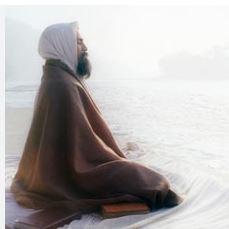
Radja Yoga: Unlock Your Inner Strength
Discover the ancient practice that combines physical postures, meditation, and philosophical teachings to unlock your inner strength. Radja Yoga is a holistic approach to well-being, aiming to balance the body, mind, and spirit.

This practice is not just about physical postures; it's a journey towards self-discovery and inner peace. By incorporating Radja Yoga into your daily routine, you can experience a significant improvement in your overall well-being.
Key Takeaways
- Understand the basics of Radja Yoga and its significance in modern times.
- Learn how Radja Yoga combines physical postures, meditation, and philosophical teachings.
- Discover the benefits of practicing Radja Yoga for overall well-being.
- Explore how Radja Yoga can enhance your inner strength and self-awareness.
- Find out how to incorporate Radja Yoga into your daily routine for a balanced life.
The Ancient Practice of Radja Yoga Explained
Delving into the ancient practice of Radja Yoga reveals a rich tapestry of historical context, philosophical underpinnings, and spiritual growth. This complex and multifaceted system has been refined over centuries, offering practitioners a profound journey into the depths of their inner strength.
Origins and Historical Context
Sanskrit Roots and Meaning
The term "Radja Yoga" is derived from Sanskrit, with "Radja" meaning "king" or "royal" and "Yoga" signifying "union" or "discipline." Thus, Radja Yoga is often referred to as the "Royal Path," indicating its esteemed status among yoga practices. Understanding the Sanskrit roots provides insight into the practice's emphasis on mastery and self-discipline.
Evolution Through the Ages
Radja Yoga has evolved significantly over time, influenced by various cultural and philosophical traditions. From its ancient origins to its modern practice, Radja Yoga has adapted, incorporating new insights while retaining its core essence. This evolution has enriched the practice, making it a comprehensive system for achieving physical, mental, and spiritual well-being.
Core Principles and Foundations
The Mind-Body Connection
A central tenet of Radja Yoga is the mind-body connection, which emphasizes the interdependence of physical and mental disciplines. Practitioners cultivate awareness and balance through postures, breathing techniques, and meditation, fostering a harmonious union between body and mind.
Distinction from Other Yoga Forms
Radja Yoga is distinct from other yoga forms in its holistic approach, integrating physical postures, breath control, and meditation into a cohesive practice. This comprehensive system is designed to lead practitioners toward a deeper understanding of themselves and their place in the world, ultimately revealing the radja yoga benefits of a balanced and fulfilling life.
By understanding the historical context and core principles of Radja Yoga, practitioners can appreciate the depth and richness of this ancient practice. As a philosophy, Radja Yoga offers a pathway to self-discovery and inner peace, embodying the essence of radja yoga philosophy.
Understanding the Philosophy Behind Radja Yoga
To truly understand Radja Yoga, one must delve into its philosophical underpinnings. Radja Yoga is a complex and multifaceted practice that encompasses not just physical postures but also meditation, ethical living, and spiritual growth.
The philosophy of Radja Yoga is deeply rooted in ancient Indian traditions. It is guided by a set of principles and practices that aim to lead the practitioner toward a state of inner peace, self-awareness, and enlightenment.
The Eight Limbs of Radja Yoga
The Eight Limbs of Radja Yoga provide a comprehensive framework for practice. These limbs are:
- Yama
- Niyama
- Asana
- Pranayama
- Pratyahara
- Dharana
- Dhyana
- Samadhi
Yama and Niyama: Ethical Foundations
Yama and Niyama are the first two limbs of Radja Yoga, focusing on ethical standards and personal observances. Yama includes principles like non-violence and truthfulness, while Niyama involves practices such as cleanliness and self-discipline. Together, they lay the groundwork for a balanced and harmonious life.
From Asana to Samadhi: The Path to Enlightenment
The journey from Asana (physical postures) to Samadhi (a state of enlightenment) is a gradual one. As practitioners progress through the limbs, they move from physical practices to more subtle states of meditation and awareness. This progression is not just about achieving a state but about cultivating a deeper understanding of oneself and the world.
Key Texts and Teachings
Radja Yoga is guided by several key texts, most notably the Yoga Sutras of Patanjali. These texts provide insights into the practice and philosophy of Radja Yoga.
The Yoga Sutras of Patanjali
The Yoga Sutras of Patanjali are foundational to understanding Radja Yoga. They outline the Eight Limbs and provide guidance on how to live a meaningful and purposeful life. Patanjali's teachings emphasize the importance of ethical living, physical postures, and meditation in achieving a state of inner peace and enlightenment.
Modern Interpretations and Applications
While rooted in ancient traditions, Radja Yoga is not static. Modern interpretations and applications of Radja Yoga make it accessible to contemporary practitioners. This includes adapting practices to suit different lifestyles and needs, ensuring that Radja Yoga remains relevant and beneficial in today's world.
By understanding the philosophy behind Radja Yoga, practitioners can deepen their practice and appreciate its broader implications for personal growth and well-being.
| Limb | Description |
|---|---|
| Yama | Ethical standards |
| Niyama | Personal observances |
| Asana | Physical postures |
| Pranayama | Breath control |
"The practice of Radja Yoga is a journey, not a destination. It is about cultivating awareness, balance, and harmony in all aspects of life."
Key Benefits of Radja Yoga for Modern Practitioners
By incorporating Radja Yoga into their routine, individuals can experience significant improvements in their physical health, mental clarity, and spiritual growth. This holistic practice is designed to enhance overall well-being, making it an ideal choice for modern practitioners seeking a balanced lifestyle.
Physical Health Improvements
Radja Yoga is known to bring about numerous physical health benefits. Regular practice can lead to enhanced flexibility and strength, as well as improved respiratory and cardiovascular function.
Enhanced Flexibility and Strength
Through various postures and movements, Radja Yoga helps in increasing flexibility and building muscular strength, making daily activities easier and reducing the risk of injury.
Improved Respiratory and Cardiovascular Function
The practice includes breathing techniques and exercises that improve lung capacity and cardiovascular health, contributing to overall physical well-being.
Mental and Emotional Wellness
Radja Yoga also offers significant benefits for mental and emotional health. It provides tools for managing stress and anxiety, while also improving focus and cognitive function.
Stress Reduction and Anxiety Management
Techniques such as meditation and controlled breathing help in reducing stress levels and managing anxiety, promoting a calm and peaceful state of mind.
Improved Focus and Cognitive Function
Regular practice of Radja Yoga enhances concentration and mental clarity, leading to better performance in daily tasks and activities.
Spiritual Growth and Self-Discovery
One of the profound benefits of Radja Yoga is its potential for spiritual growth and self-discovery. It aids in developing self-awareness and connecting with a higher consciousness.
Developing Self-Awareness
Through introspection and self-reflection, practitioners can gain a deeper understanding of themselves, fostering personal growth and development.
Connecting with Higher Consciousness
Radja Yoga encourages a connection to something greater than oneself, promoting a sense of unity and spiritual fulfillment.
Getting Started with Radja Yoga: A Beginner's Guide
Starting your Radja Yoga journey involves understanding the essentials of creating a conducive practice space and setting achievable goals. As a beginner, it's crucial to lay the groundwork for a successful and fulfilling practice.
Essential Equipment and Space Requirements
Creating an ideal practice environment is the first step towards embracing Radja Yoga. This involves dedicating a quiet, clutter-free space for your practice.
Creating Your Practice Space
Choose a quiet area with minimal distractions. Ensure the space is clean and clutter-free, promoting a sense of calm and focus. Consider the lighting and ventilation to create a comfortable atmosphere.
Minimal Gear for Maximum Results
While Radja Yoga doesn't require extensive equipment, a good-quality yoga mat is essential. Additionally, blocks, straps, and a blanket can enhance your practice by providing support and comfort.

Setting Realistic Goals and Expectations
Setting achievable goals is vital for maintaining motivation and tracking progress in your Radja Yoga journey.
Short-term vs. Long-term Objectives
Begin with short-term goals, such as practicing for a certain number of minutes each day. As you progress, you can set longer-term objectives, like mastering specific poses or attending workshops.
Tracking Your Progress Mindfully
Keep a journal to record your practice, noting improvements and challenges. This mindful approach helps in adjusting your goals and appreciating your progress.
Common Beginner Challenges and Solutions
Beginners often face challenges such as physical limitations and mental resistance. Understanding these hurdles and knowing how to overcome them is key to a successful practice.
Overcoming Physical Limitations
Use props like blocks and straps to support your body in various poses. Listen to your body and modify poses as needed to avoid injury.
Dealing with Mental Resistance
Start with short practices and gradually increase the duration. Focus on your breath and the sensations in your body to stay present and engaged.
| Challenge | Solution |
|---|---|
| Physical Limitations | Use props, modify poses |
| Mental Resistance | Start small, focus on breath |
By understanding the essentials of Radja Yoga and approaching your practice with a clear mindset, you can navigate the journey with confidence and poise.
Essential Radja Yoga Poses for Practice
Mastering Radja Yoga requires a deep understanding of its foundational poses and breathing techniques. A well-rounded practice incorporates standing poses, seated postures, and pranayama to foster physical, mental, and spiritual growth.
Foundational Standing Poses
Standing poses in Radja Yoga lay the groundwork for balance, strength, and flexibility. They prepare the body for more complex postures and meditation.
Mountain Pose and Its Variations
Mountain Pose (Tadasana) is the foundation of all standing poses, promoting balance and poise. Variations of Tadasana can help improve alignment and focus.
Standing Forward Bends and Twists
Standing forward bends, such as Uttanasana, stretch the hamstrings and calves, while twists like Bharadvajasana improve spinal flexibility and detoxify the body.
Seated Postures for Meditation
Seated postures are crucial for meditation and pranayama practices, helping to establish a calm and stable state.
Finding Your Comfortable Seat
Finding a comfortable seated position, whether it's Padmasana (Lotus Pose) or Sukhasana (Easy Pose), is key to a successful meditation practice.
Props and Modifications for Comfort
Using props like blocks, blankets, or straps can modify seated postures to suit individual needs, ensuring comfort and reducing strain.
Breathing Techniques (Pranayama)
Pranayama, or breath control, is a vital component of Radja Yoga, influencing the body's energy and mental clarity.
Basic Breath Awareness
Basic Breath Awareness involves observing the natural breath, helping to calm the mind and synchronize the body's rhythms.
Alternate Nostril Breathing for Balance
Alternate Nostril Breathing (Nadi Shodhana) balances the left and right hemispheres of the brain, promoting mental equilibrium and tranquility.
Mastering Radja Yoga Meditation Techniques
Mastering Radja Yoga meditation techniques requires dedication, patience, and a willingness to explore the depths of one's own mind. Radja Yoga meditation is a multifaceted practice that encompasses various techniques to quiet the mind, focus attention, and ultimately achieve a state of profound inner peace.
Concentration Practices (Dharana)
Concentration practices, or Dharana, are the foundation upon which successful Radja Yoga meditation is built. By cultivating the ability to focus the mind, practitioners can overcome mental distractions and achieve a deeper state of awareness.
Focusing on Objects and Mantras
Focusing on objects or mantras is a common technique used in Dharana. By concentrating on a specific object or repeating a mantra, practitioners can train their minds to stay focused and avoid distractions.
Developing One-Pointed Attention
Developing one-pointed attention is another crucial aspect of Dharana. This involves cultivating the ability to focus on a single point, whether it's the breath, a visualization, or a physical object, to achieve mental clarity.
Meditation Practices (Dhyana)
Meditation practices, or Dhyana, build upon the concentration achieved through Dharana. Dhyana involves transitioning from a state of focused concentration to a broader, more expansive awareness.
Moving from Concentration to Meditation
The transition from Dharana to Dhyana is a natural progression in Radja Yoga meditation. As practitioners deepen their concentration, they begin to experience a state of meditation characterized by a sense of inner calm and unity.
Working with Thoughts and Distractions
One of the challenges in Dhyana is working with thoughts and distractions. Practitioners learn to observe their thoughts without attachment, allowing them to cultivate a deeper understanding of their mental patterns.
Achieving Samadhi: The Ultimate Goal
Samadhi represents the ultimate goal of Radja Yoga meditation, a state of profound absorption and unity with the divine. Achieving Samadhi requires consistent practice, patience, and dedication.
Signs of Progress on the Path
Signs of progress on the path to Samadhi include increased feelings of inner peace, improved mental clarity, and a deeper sense of connection to oneself and others.
Integrating Insights into Daily Life
Integrating the insights gained from Radja Yoga meditation into daily life is crucial for spiritual growth. Practitioners can apply the lessons learned on the mat to their daily interactions, fostering greater compassion, understanding, and harmony.

How to Incorporate Radja Yoga into Your Daily Routine
By making Radja Yoga a part of your daily routine, you can experience significant improvements in your overall quality of life. This ancient practice is not just about physical postures; it's a holistic approach that encompasses mental and spiritual disciplines as well. Incorporating Radja Yoga into your daily schedule can help you achieve a better balance between work, rest, and personal activities.
Morning Practices for Energy and Focus
Starting your day with Radja Yoga can set a positive tone for the morning, boosting your energy and enhancing your focus. Morning practices can be particularly beneficial for setting intentions and preparing for the day ahead.
Dawn Meditation Rituals
Begin with a short meditation session at dawn to clear your mind and set a positive tone for the day. Even a few minutes of focused breathing can make a significant difference.
Energizing Breath Practices
Incorporate pranayama or breath control exercises into your morning routine to invigorate your body and mind. Techniques such as Kapalabhati or Bhastrika can be particularly energizing.
Midday Reset Techniques
For those with busy schedules, incorporating Radja Yoga during the midday can be a great way to reset and recharge. Even short breaks can help reduce stress and improve productivity.
Quick Desk Practices for Busy Professionals
Simple stretches and breathing exercises can be done at your desk to alleviate tension and refresh your mind. Practices like chair yoga can be highly beneficial.
Mindful Breaks to Restore Balance
Taking short, mindful breaks throughout the day can help maintain a sense of calm and balance. Use these moments to practice deep breathing or a quick meditation.
Evening Practices for Relaxation and Reflection
Winding down with Radja Yoga in the evening can help prepare your body and mind for restful sleep. Gentle stretches and reflective practices can be particularly soothing.
Winding Down with Gentle Movements
Engage in gentle yoga poses such as forward bends or restorative poses to release tension and relax your muscles.
Preparing the Mind for Restful Sleep
End your day with a calming meditation or a guided relaxation technique to quiet the mind and prepare for a restful night's sleep.
Finding the Right Radja Yoga Teacher and Community
Finding the ideal Radja Yoga teacher and community is crucial for a fulfilling practice. A good teacher can guide you through the complexities of Radja Yoga, while a supportive community can provide motivation and camaraderie.
Qualities to Look for in a Teacher
When searching for a Radja Yoga teacher, there are several qualities to consider. A good teacher should have a deep understanding of the practice, as well as the ability to communicate effectively.
Experience and Lineage Considerations
Look for a teacher with a strong lineage and experience in teaching Radja Yoga. This ensures that you receive authentic guidance.
Personal Connection and Teaching Style
It's also important to find a teacher with a teaching style that resonates with you. A good personal connection can make a significant difference in your learning experience.
In-Person vs. Online Learning Options
With the rise of digital platforms, you now have the option to choose between in-person and online Radja Yoga classes. Both have their benefits.
Benefits of Local Studios and Classes
In-person classes offer the opportunity to receive immediate feedback and connect with others in your community. Local studios often provide a sense of belonging and can be a great way to meet like-minded individuals.
Digital Resources and Virtual Communities
Online classes, on the other hand, offer flexibility and accessibility. You can practice from the comfort of your own home and connect with a global community of practitioners.
Building a Supportive Practice Community
Being part of a Radja Yoga community can enhance your practice significantly. It provides a supportive environment where you can learn from others and grow together.
Finding Like-minded Practitioners
Look for local or online groups that share your interest in Radja Yoga. This can be a great way to connect with others who are on a similar journey.
Group Practice Benefits and Opportunities
Participating in group practices can deepen your understanding of Radja Yoga and provide opportunities to learn from others. It's also a great way to stay motivated and inspired.
Transformative Radja Yoga Retreats and Advanced Training
For those looking to deepen their practice, Radja Yoga retreats and advanced training programs offer a transformative experience. These immersive experiences provide a unique opportunity to explore the depths of Radja Yoga in a supportive and focused environment.
Popular Destinations for Immersive Experiences
Radja Yoga retreats are held in various locations around the world, each offering a unique cultural and natural backdrop for practice.
Traditional Centers in India
India, the birthplace of yoga, offers numerous traditional centers for Radja Yoga retreats. Places like Rishikesh and Mysore are renowned for their spiritual significance and authentic yoga experiences.
Western Retreat Options and Considerations
For those who prefer or cannot travel to India, Western countries offer a range of Radja Yoga retreats. These often blend traditional practices with local culture and may be more accessible.
What to Expect from a Radja Yoga Retreat
Attending a Radja Yoga retreat is a commitment to deepening one's practice. Participants can expect a structured schedule that includes various yoga practices, meditation, and sometimes other wellness activities.
Daily Schedules and Practices
A typical day at a Radja Yoga retreat may include early morning meditation, followed by yoga asana practice, pranayama, and sometimes workshops or lectures on yoga philosophy.
Transformative Experiences and Breakthroughs
Many participants report profound personal transformations and breakthroughs during and after attending a retreat. The intensive nature of these experiences can accelerate personal growth and deepen one's understanding of Radja Yoga.
Advanced Training Opportunities
Beyond retreats, Radja Yoga offers advanced training opportunities for those looking to further their education and practice.
Teacher Training Programs
Teacher training programs are available for those who wish to become Radja Yoga instructors. These programs provide comprehensive training in yoga teaching methodologies and philosophy.
Specialized Workshops and Certifications
Specialized workshops and certification programs offer practitioners the chance to delve deeper into specific aspects of Radja Yoga, such as advanced asana practice, pranayama, or yoga therapy.
Conclusion: Embracing the Lifelong Journey of Radja Yoga
Radja Yoga is more than a physical practice; it's a journey of self-discovery and growth. By embracing its principles and practices, individuals can cultivate a deeper understanding of themselves and the world around them.
The philosophy behind Radja Yoga offers a rich framework for living a balanced and fulfilling life. As practitioners continue on their journey, they can integrate the teachings of Radja Yoga into their daily routines, fostering physical, mental, and spiritual well-being.
Through regular practice and dedication, Radja Yoga can become a transformative force in one's life. It encourages individuals to explore their inner strength, develop greater self-awareness, and connect with their inner selves. By committing to the lifelong journey of Radja Yoga, practitioners can experience profound benefits that extend far beyond the physical realm.
As you continue on your Radja Yoga path, remember that the true power of this practice lies in its ability to inspire personal growth and transformation. By embracing Radja Yoga philosophy, you can unlock new levels of understanding and cultivate a more meaningful, purposeful life.
FAQ
What is Radja Yoga, and how does it differ from other yoga styles?
Radja Yoga is an ancient practice that combines physical postures, meditation, and philosophical teachings to unlock one's inner strength. It differs from other yoga styles in its emphasis on the mind-body connection and its comprehensive approach to physical, mental, and spiritual well-being.
What are the benefits of practicing Radja Yoga?
Practicing Radja Yoga can lead to physical health improvements, mental and emotional wellness, and spiritual growth. It can enhance flexibility, strength, and overall physical well-being, while also reducing stress and anxiety, improving focus, and cultivating self-awareness.
What are the essential elements of a Radja Yoga practice?
A Radja Yoga practice typically includes physical postures (asanas), breathing techniques (pranayama), and meditation. It also involves understanding and applying the philosophical teachings of Radja Yoga, such as the Eight Limbs.
How do I get started with Radja Yoga, and what equipment do I need?
To get started with Radja Yoga, you will need a quiet and comfortable space to practice, a yoga mat, and minimal gear. You can begin with simple practices like Mountain Pose and basic breath awareness, and gradually explore more complex postures and techniques.
Can I practice Radja Yoga if I have physical limitations or injuries?
Yes, Radja Yoga can be adapted to accommodate physical limitations or injuries. It's essential to work with a qualified teacher who can provide modifications and adjustments to suit your needs.
How can I incorporate Radja Yoga into my daily routine?
You can incorporate Radja Yoga into your daily routine by starting with short practices, such as morning meditation or midday breathing exercises. You can also try to establish a consistent practice schedule, even if it's just a few minutes each day.
What is the significance of the Eight Limbs in Radja Yoga?
The Eight Limbs of Radja Yoga provide a comprehensive framework for practice, guiding practitioners from ethical living to meditation and the pursuit of enlightenment. They offer a path to spiritual growth, self-awareness, and inner transformation.
How can I find a qualified Radja Yoga teacher or community?
To find a qualified Radja Yoga teacher or community, look for teachers with experience and a strong lineage, and consider their teaching style and personal connection with you. You can also explore local studios, online resources, and virtual communities to find like-minded practitioners.
What are Radja Yoga retreats, and what can I expect from them?
Radja Yoga retreats offer immersive experiences where you can deepen your practice, learn from experienced teachers, and connect with like-minded practitioners. You can expect a structured schedule, various practices, and opportunities for personal growth and transformation.
Are there advanced training opportunities available in Radja Yoga?
Yes, there are advanced training opportunities available in Radja Yoga, including teacher training programs, specialized workshops, and certifications. These programs can help you deepen your understanding, enhance your teaching skills, and further your personal practice.