Unraveling the Legend of Rasputin
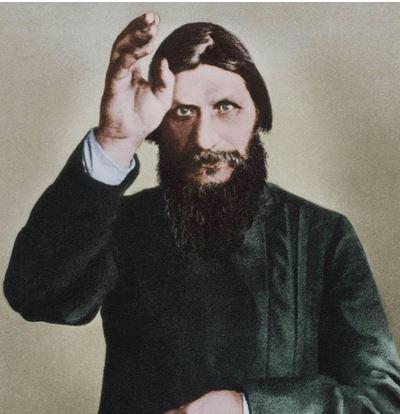
The enigmatic figure of Grigori Rasputin has captivated historians and enthusiasts alike for decades. Born in Siberia in the late 19th century, Rasputin's life was marked by mysticism and controversy.

As a faith healer and mystic, he gained significant influence over the Russian royal family, particularly Tsar Nicholas II and his wife Alexandra. His ability to seemingly heal the Tsar's son Alexei, who suffered from hemophilia, earned him a special place in the royal court.
The mystique surrounding Rasputin's life and his eventual downfall has become the stuff of legend, inspiring numerous accounts and interpretations.
Key Takeaways
- Grigori Rasputin was a Siberian-born mystic and faith healer.
- He gained significant influence over the Russian royal family.
- Rasputin's ability to heal the Tsar's son Alexei earned him a special place in the royal court.
- His life and downfall have become the subject of legend and numerous interpretations.
- Rasputin's story continues to captivate historians and enthusiasts alike.
The Early Life of Grigori Rasputin
Grigori Rasputin, a figure shrouded in mystery, was born in the remote Siberian village of Pokrovskoye in 1869. His early life was marked by the simplicity and harsh conditions of rural Siberia.
Humble Beginnings in Siberia
Family Background and Education
Rasputin was born into a peasant family. His early education was limited, and he spent much of his youth learning the ways of the village. Rasputin's family life was deeply rooted in Orthodox Christianity, which would later influence his spiritual journey.
Early Signs of Unusual Abilities
Even as a young man, Rasputin exhibited behaviors that were considered unusual. He demonstrated a deep spirituality and an ability to connect with others on a profound level. Some accounts suggest he had healing abilities, though these are not universally accepted.
Religious Awakening and Wandering Years
Spiritual Transformation
As Rasputin matured, he underwent a significant spiritual transformation. He became increasingly devoted to his faith, spending hours in prayer and contemplation. This period was crucial in shaping his mystic persona.
Travels Across Russia
Rasputin's spiritual journey was not confined to his village. He traveled extensively across Russia, visiting monasteries and holy sites.
"Rasputin's travels exposed him to various spiritual practices and philosophies, enriching his understanding of faith and mysticism."
These experiences contributed to his reputation as a mystic and a man of deep spiritual insight.
By understanding Rasputin's early life, we gain insight into the factors that contributed to his later influence on the Russian royal family and the mystique surrounding his name.
The Rise of a Mystic
As Rasputin arrived in St. Petersburg, he brought with him an aura of mystique that would soon captivate the city's elite. This marked the beginning of his journey to becoming a influential Russian mystic.
Arrival in St. Petersburg
Rasputin's entry into the city was a strategic move, positioning himself among the spiritual seekers and the aristocracy. His unconventional approach to spirituality and his claimed healing abilities quickly garnered attention.
First Spiritual Demonstrations
One of his early demonstrations involved healing a woman afflicted with a severe illness, which was attributed to his Rasputin influence over the spiritual realm. Such acts solidified his reputation as a faith healer.
Building a Reputation Among Russian Elite
Rasputin's charisma and perceived mystical powers soon made him a sought-after figure among the Russian elite. His connections grew, and with them, his influence in the spiritual and social circles of St. Petersburg.
Notable Early Supporters
Among his notable early supporters were prominent figures such as Bishop Theophan and Grand Duchess Militza. Their endorsement further legitimized his status as a mystic and a faith healer.
| Supporter | Relation to Rasputin |
|---|---|
| Bishop Theophan | Spiritual Advisor |
| Grand Duchess Militza | Early Patron |
Rasputin and the Romanovs
Rasputin's introduction to the Romanov family marked a significant turning point in his life and the fate of Russia. The mystic's influence began to grow as he became closely associated with Tsar Nicholas II and Tsarina Alexandra.
Meeting Tsar Nicholas II and Tsarina Alexandra
In 1905, Rasputin was introduced to the Romanovs, and his charismatic presence made a lasting impression. Initially, the royal couple was cautious, but Rasputin's sincerity and apparent deep faith won them over.
Initial Impressions and Acceptance
The Tsar and Tsarina were drawn to Rasputin's mystique and what they perceived as his divine connection. They saw him as a man of God, someone who could bring solace and guidance.
The Hemophilia Connection: Treating Tsarevich Alexei
Rasputin's role became crucial when he helped Tsarevich Alexei, the Romanovs' son, who suffered from hemophilia. Rasputin's seemingly miraculous ability to stop the prince's bleeding episodes earned him the trust and gratitude of the desperate parents.
Mysterious Healing Methods
Rasputin's methods were unorthodox and not fully understood, but the immediate results were undeniable. He used a combination of prayer, hypnosis, and possibly other unconventional techniques to calm the young prince's suffering.
Growing Dependence of the Royal Family
As time passed, the Romanovs grew increasingly dependent on Rasputin. His influence extended beyond the health of their son to matters of state and personal guidance.
| Year | Event | Rasputin's Role |
|---|---|---|
| 1905 | Introduction to Romanovs | Initial contact and impression |
| 1907 | Tsarevich Alexei's health crisis | Helped alleviate the prince's suffering |
| 1911 | Increasing influence on Romanovs | Advised on personal and state matters |
The table above illustrates the key events and Rasputin's growing influence within the Romanov family. As his role expanded, so did the controversy surrounding his actions and the impact on the Romanov dynasty.
The Mysterious Powers of Rasputin
Grigori Rasputin's mysterious powers have been a subject of fascination, particularly his healing abilities and prophetic insights. His influence over the Romanov family was significant, and his abilities were a crucial factor in his rise to prominence.
Healing Abilities: Fact or Fiction?
Rasputin's healing abilities were widely acknowledged, especially his role in treating Tsarevich Alexei's hemophilia. His methods were unconventional, involving prayer and laying on of hands.
Medical Perspectives on Rasputin's Methods
From a medical standpoint, Rasputin's techniques are considered unorthodox. Some speculate that his presence had a calming effect on Alexei, potentially reducing stress-related symptoms.
Hypnotic Influence and Charisma
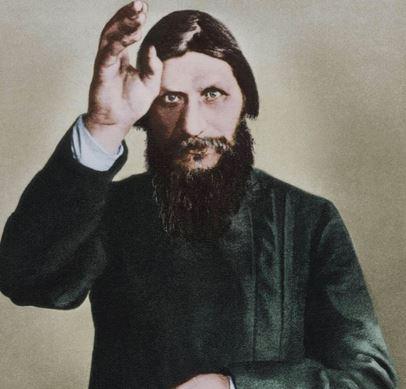
Rasputin's charisma and hypnotic influence were traits that drew people to him. His ability to captivate and influence those around him was a hallmark of his interactions.
Testimonies from Contemporaries
"Rasputin's eyes were mesmerizing; once he locked onto you, it was as if he could see into your very soul."
Prophecies and Predictions
Rasputin was known for his prophecies, some of which were remarkably accurate. His forecasts often related to the fate of the Romanov dynasty.
Notable Forecasts and Their Accuracy
| Event | Prediction | Outcome |
|---|---|---|
| Death of Tsarina Alexandra | Predicted her death would precede his own | Not fulfilled during his lifetime |
| Downfall of the Romanovs | Warned of impending doom | Fulfilled in 1917 |
The mysterious powers attributed to Rasputin continue to be a topic of debate and fascination. His influence on the Romanovs and his controversial methods remain a significant part of his enduring legacy.
Political Influence During World War I
The tumultuous years of World War I saw Rasputin's political influence reach its zenith, with significant implications for Russia's governance. As the war dragged on, Tsar Nicholas II's absence at the front lines left Tsarina Alexandra in charge, and she became increasingly reliant on Rasputin's counsel.
Growing Power in the Imperial Court
Rasputin's relationship with the Tsarina deepened during this period, as she sought his guidance on matters of state. His influence was not limited to spiritual matters; he began to play a significant role in shaping imperial policy. The mystic's grip on the Romanovs was now stronger than ever.
Relationship with the Tsarina During the Tsar's Absence
Tsarina Alexandra, desperate for guidance and reassurance, turned to Rasputin for advice on governance. This close relationship raised eyebrows among the nobility and fueled speculation about the true extent of Rasputin's influence. Rasputin's counsel was not always in the best interest of Russia, and his actions were seen as a corrupting influence on the Tsarina.
Interference in Government Affairs
Rasputin's meddling in government affairs became more pronounced, with significant consequences. He began to influence ministerial appointments and dismissals, often to further his own agenda or to eliminate perceived enemies. This interference did not go unnoticed by political figures, who grew increasingly concerned about the implications of Rasputin's actions.
Ministerial Appointments and Dismissals
The appointment and dismissal of ministers became a contentious issue, with Rasputin often at the center. His recommendations were frequently followed by the Tsarina, leading to instability and inefficiency in the government. Key political figures began to voice their opposition to Rasputin's interference.
Reaction from Political Figures
As Rasputin's influence grew, so did the resentment among Russia's political elite. Many viewed his actions as a threat to the stability of the government and the future of the Romanov dynasty. The controversy surrounding Rasputin reached a boiling point, setting the stage for the events that would eventually lead to his downfall.
The Controversial Figure of Rasputin
Grigori Rasputin's rise to prominence was accompanied by numerous controversies that would eventually define his legacy. His influence over the Romanov family, particularly Tsar Nicholas II and Tsarina Alexandra, was a subject of both fascination and concern.
Scandalous Behavior and Moral Accusations
Rasputin's personal life was marred by allegations of debauchery and excessive behavior. These accusations were not only a reflection of his personal character but also had implications for his influence over the royal family.
Alleged Debauchery and Excess
Reports of Rasputin's late-night drinking bouts and his involvement with various women were widespread. Such behavior was seen as not only morally reprehensible but also as a sign of his hypnotic influence over those around him.
Relationships with Women of the Court
Rasputin's connections with women at court were a particular source of controversy. His perceived influence over these women, including the Tsarina, fueled rumors and resentment among the nobility.
| Aspect | Description | Impact |
|---|---|---|
| Personal Behavior | Allegations of debauchery and excess | Damaged reputation, fueled public distrust |
| Court Influence | Close relationships with nobility, especially women | Created resentment, perceived as manipulative |
| Religious Controversies | Conflict with the Orthodox Church | Undermined religious authority, added to public controversy |
Religious Controversies
Rasputin's religious beliefs and practices were another source of controversy. His influence over the Tsarina and her reliance on him for spiritual guidance led to conflicts with the Orthodox Church.
Conflict with the Orthodox Church
The Church viewed Rasputin's practices as heretical and a threat to its authority. This conflict further eroded the Romanovs' standing with the Church and the public.
Public Perception and Media Portrayal
The media played a significant role in shaping public perception of Rasputin. Caricatures and newspaper accounts often portrayed him in a negative light, emphasizing his controversial behavior and influence.
Newspaper Accounts and Caricatures
Newspapers and caricatures depicted Rasputin as a manipulator and a symbol of the Romanovs' corruption. These portrayals contributed to the growing public discontent with the monarchy.

The controversies surrounding Rasputin were multifaceted, involving both his personal behavior and his influence over the Romanov family. Understanding these controversies is crucial to grasping the complex historical context of pre-revolutionary Russia.
Plots Against the "Mad Monk"
Rasputin's controversial reputation made him a target for numerous assassination attempts. As his influence over the Romanov family grew, so did the resentment among the Russian nobility and general public.
Early Assassination Attempts
The first significant attempt on Rasputin's life occurred in 1914 when he was stabbed by Khionia Guseva, a fanatical follower of Illiodor, a radical priest who had turned against Rasputin.
The Khionia Guseva Stabbing
Guseva's attack left Rasputin severely wounded, but he managed to survive. This event, however, did not deter future conspirators.
Growing Opposition Among the Elite
As Rasputin's power grew, so did the opposition against him among the Russian aristocracy.
Aristocratic Conspiracies
Members of the nobility began to conspire against Rasputin, viewing him as a corrupting influence on the Tsar and his family.
Political Motivations Behind the Plots
The plots against Rasputin were not just driven by personal vendettas but also by political motivations, as many saw him as a hindrance to Russia's progress.
| Year | Event | Outcome |
|---|---|---|
| 1914 | Stabbing by Khionia Guseva | Rasputin survived |
| 1916 | Conspiracy by nobility | Escalated plots against Rasputin |
The escalating tensions and plots against Rasputin set the stage for his eventual assassination in December 1916.
The Assassination of Rasputin
In the cold St. Petersburg night of December 29, 1916, a sinister plot unfolded. Grigori Rasputin, the mystic who had captured the hearts of the Romanov family, was invited to Prince Felix Yusupov's palace under the guise of a meeting with Yusupov's wife, Irina.
The Fateful Night of December 1916
Rasputin arrived at the Yusupov Palace around midnight, unaware of the danger that awaited him. The invitation was a ruse, part of a larger conspiracy involving several high-ranking officials and nobles.
The Invitation to Yusupov Palace
The conspirators had planned to poison Rasputin with cyanide-laced cakes and wine. However, Rasputin's seemingly supernatural resistance to the poison delayed their plans.
The Conspirators: Yusupov, Purishkevich, and Grand Duke Dmitri
The group behind Rasputin's assassination included:
- Prince Felix Yusupov
- Vladimir Purishkevich, a right-wing politician
- Grand Duke Dmitri Pavlovich, a member of the Romanov family
Their Plan and Motivations
Their motivations were multifaceted, driven by a mix of political and personal grievances against Rasputin. They saw him as a corrupting influence on the Tsar and his family, and believed his removal would stabilize Russia.
The Extraordinary Details of His Death
Rasputin's death was a gruesome and drawn-out process. After failing to succumb to poisoning, he was shot, and eventually, his body was dumped into the Neva River.
Poisoning, Shooting, and Drowning
The events of that night were as follows:
- Rasputin was offered poisoned food and drink.
- When the poison failed to take effect, Yusupov shot him.
- Believing Rasputin was dead, the conspirators took him to the river.
- However, Rasputin managed to escape and was eventually drowned.

Recent studies have shed light on the circumstances of Rasputin's death, suggesting that the freezing temperatures may have contributed to his prolonged survival. The exact details of his death remain a subject of historical debate.
Rasputin's Legacy and Impact on Russian History
Grigori Rasputin's presence in the Imperial Court of Russia was a catalyst for a series of events that would ultimately lead to the downfall of the Romanovs. His influence on the Tsar and Tsarina, particularly in matters of state and spirituality, has been well-documented.
Influence on the Fall of the Romanov Dynasty
Rasputin's close relationship with the Romanov family, especially Tsarevich Alexei, positioned him as a significant figure in the imperial court. His advice and counsel, often shrouded in mysticism, played a crucial role in the decision-making processes of the Tsar and Tsarina.
Connection to the Russian Revolution
The Russian Revolution was, in part, a consequence of the widespread discontent with the Romanov dynasty, exacerbated by Rasputin's perceived corrupting influence. As the war effort faltered and economic conditions worsened, the people's distrust of the monarchy grew, fueled by Rasputin's controversial presence in the court.
Historical Significance in Pre-Revolutionary Russia
Rasputin's role in pre-revolutionary Russia was that of a polarizing figure, drawing both fervent loyalty and intense hatred. His ability to seemingly heal Tsarevich Alexei's hemophilia endeared him to the royal family, but his womanizing, heavy drinking, and perceived manipulation of the Tsar and Tsarina through mysticism alienated many.
Scholarly Assessments of Rasputin's Role
Historians continue to debate Rasputin's impact on Russian history. Some view him as a symptom of the monarchy's decay, while others see him as a causal factor in its downfall. Scholarly assessments often highlight his unique position as both a spiritual advisor and a political influencer.
Cultural Impact in Modern Times
Rasputin's legend has endured, captivating artists, writers, and filmmakers. His life and influence have been the subject of numerous works, reflecting his lasting impact on popular culture.
Representations in Film, Music, and Literature
From novels to films, Rasputin's enigmatic and controversial life has inspired a wide range of creative works. His portrayal often oscillates between the mystic healer and the manipulative power broker, reflecting the complexity of his character.
| Aspect | Description | Impact |
|---|---|---|
| Political Influence | Rasputin's counsel to the Tsar and Tsarina | Contributed to poor decision-making |
| Cultural Legacy | Representations in art, literature, and film | Enduring public fascination |
| Historical Significance | Role in the fall of the Romanov dynasty | Symbol of monarchical decay |
"Rasputin's influence was a poison that seeped into the very fabric of the Russian monarchy, corroding its foundations and hastening its demise."
— Historical Assessment
In conclusion, Rasputin's legacy is complex, marked by his significant influence on the Romanov dynasty and Russian history. His impact continues to be felt in both historical scholarship and popular culture.
Conclusion: The Enduring Myth of Rasputin
Grigori Rasputin's life is a testament to the complex interplay between mystique, power, and historical circumstance. As a mystic and faith healer, Rasputin's influence on the Romanov family, particularly Tsar Nicholas II and Tsarina Alexandra, was profound, shaping the course of Russian history during a tumultuous period.
The biography of Rasputin is marked by controversy, from his early life in Siberia to his rise as a influential figure in St. Petersburg. His ability to heal Tsarevich Alexei's hemophilia earned him a significant place in the imperial court, but his influence extended beyond the palace, impacting Russia's governance and contributing to the downfall of the Romanov dynasty.
Rasputin's legacy continues to captivate historians and enthusiasts alike, with his influence evident in modern culture. The enduring myth surrounding Rasputin serves as a reminder of the power of mystique and the complexities of historical events. Exploring Rasputin's story offers insights into the human experience, the dynamics of power, and the enduring fascination with the mysterious and unknown.
FAQ
Who was Grigori Rasputin?
Grigori Rasputin was a Russian mystic and faith healer who gained a significant amount of influence over the Romanov royal family, particularly Tsar Nicholas II and Tsarina Alexandra, in the early 20th century.
What was Rasputin's role in treating Tsarevich Alexei's hemophilia?
Rasputin was known to have treated Tsarevich Alexei, the son of Tsar Nicholas II and Tsarina Alexandra, for his hemophilia using unconventional methods, which reportedly brought relief to the young prince and increased Rasputin's influence over the royal family.
How did Rasputin gain influence over the Romanov family?
Rasputin's influence over the Romanov family grew due to his perceived ability to heal Tsarevich Alexei's hemophilia, as well as his charismatic personality and spiritual guidance, which resonated with Tsarina Alexandra and, to a lesser extent, Tsar Nicholas II.
What were the circumstances surrounding Rasputin's assassination?
Rasputin was assassinated on the night of December 29, 1916, after being invited to Prince Felix Yusupov's palace, where he was poisoned, shot, and eventually drowned in the Neva River by a group of conspirators, including Yusupov and Vladimir Purishkevich.
What was Rasputin's legacy, and how did he impact Russian history?
Rasputin's legacy is complex and multifaceted; his influence over the Romanov family is often cited as a contributing factor to the downfall of the dynasty, and his life and death have had a lasting impact on Russian history and culture, inspiring numerous works of literature, film, and music.
What is the historical significance of Rasputin's life and influence?
Rasputin's life and influence are significant not only because of his role in the downfall of the Romanov dynasty but also due to the insight they provide into the complexities of pre-revolutionary Russia, the psychology of the royal family, and the cultural and social dynamics of the time.
How has Rasputin been portrayed in popular culture?
Rasputin has been portrayed in various forms of media, including films, books, and music, often as a mysterious and charismatic figure, with his life and influence being the subject of both historical and fictional accounts.
What were the controversies surrounding Rasputin's life and behavior?
Rasputin's life was marked by controversy, including allegations of debauchery, excessive drinking, and womanizing, as well as conflicts with the Orthodox Church, which further fueled the public's perception of him as a divisive and enigmatic figure.
Links: