The Forgotten Faiths of Africa: Gods and Magic
Africa is home to a rich and diverse spiritual heritage, with a complex tapestry of beliefs and practices that have been shaped by centuries of history and culture. The continent's forgotten faiths are a testament to the ingenuity and creativity of its people, who have developed unique and fascinating spiritual systems.

Exploring these forgotten faiths offers a glimpse into the cultural and spiritual practices of Africa's diverse populations. From the mystical rituals of ancient civilizations to the vibrant spiritual traditions of modern communities, African spirituality is a multifaceted and captivating subject.
Key Takeaways
- Africa's spiritual heritage is diverse and complex.
- Forgotten African faiths offer insights into the continent's cultural and spiritual practices.
- African spirituality encompasses a wide range of beliefs and practices.
- The continent's spiritual traditions are shaped by its history and culture.
- Exploring African faiths can be a fascinating and enriching experience.
The Rich Tapestry of Forgotten African Religions, Gods and Magic
The spiritual landscape of Africa is marked by a multitude of indigenous belief systems, each with its unique characteristics and practices. These diverse traditions have been shaped by the continent's history, culture, and geography.
The Diversity of Indigenous Belief Systems
African indigenous beliefs are incredibly diverse, ranging from the Yoruba Orishas in West Africa to the ancestral worship practices in Southern Africa. This diversity is a testament to the continent's rich cultural heritage.
- Cosmological Beliefs: Many African cultures believe in a complex cosmology that includes a supreme being, ancestral spirits, and nature spirits.
- Ritual Practices: Rituals and ceremonies play a crucial role in African indigenous beliefs, often aimed at maintaining balance and harmony in the community and the natural world.
Why These Traditions Remain "Forgotten"
Despite their significance, many African indigenous belief systems have been marginalized or overlooked, largely due to historical factors such as colonization and the spread of major world religions.
"The imposition of foreign belief systems often led to the suppression of indigenous practices, relegating them to the background."
However, these traditions continue to be relevant today, offering insights into sustainable living, community cohesion, and spiritual growth.
Historical Context: The Ancient Roots of African Spirituality
Understanding the historical context of African spirituality requires a look into its pre-colonial landscapes. African spirituality is deeply rooted in the continent's diverse cultural heritage, with various ethnic groups having their unique belief systems.
Pre-Colonial Spiritual Landscapes
Before colonization, African societies were not uniform in their spiritual practices. Instead, they were characterized by a rich diversity of beliefs and rituals. For instance, the Yoruba people of West Africa had a complex pantheon of deities known as Orishas, while the ancient Egyptians worshipped a vast array of gods and goddesses.
Impact of Colonization on Indigenous Beliefs
The advent of colonization had a profound impact on indigenous African beliefs. Many traditional practices were suppressed, and local populations were often forced to adopt European religious practices. This led to a significant erosion of traditional African spiritual practices, as they were deemed "primitive" or "heathen" by colonial powers.
"The colonization of Africa was not just a political and economic phenomenon, but also a deeply spiritual and cultural one." -
Oral Traditions and Knowledge Preservation
Despite the challenges posed by colonization, many African communities managed to preserve their spiritual traditions through oral storytelling and the passing down of rituals. These oral traditions played a crucial role in maintaining the cultural identity of African societies.
| Region | Traditional Practice | Impact of Colonization |
|---|---|---|
| West Africa | Yoruba Orishas worship | Suppression of traditional practices |
| East Africa | Ancestor veneration | Forced adoption of European Christianity |
| Southern Africa | Ancestral worship and divination | Erosion of traditional spiritual practices |
The legacy of these historical events continues to influence African spirituality today, with many communities working to revive and preserve their traditional beliefs and practices.
Regional Diversity: Spiritual Traditions Across the Continent
Spirituality in Africa is not a monolith; it varies greatly from one region to another, reflecting the continent's cultural diversity. The vastness of Africa encompasses a wide range of spiritual traditions, each shaped by the unique history, geography, and cultural practices of its people.
West African Faith Systems
West Africa is renowned for its complex spiritual systems, deeply intertwined with daily life and community practices. The region is home to numerous ethnic groups, each with their own spiritual beliefs and practices.
Yoruba Religious Complex
The Yoruba religious complex is one of the most studied and revered spiritual systems in West Africa. It is characterized by a pantheon of gods and goddesses known as Orishas, who are believed to influence various aspects of life and the natural world.
Akan and Ashanti Beliefs
The Akan and Ashanti peoples of Ghana and the Ivory Coast have a rich spiritual tradition that emphasizes ancestor worship and the belief in a supreme god, Nyame. Their spiritual practices are closely tied to their cultural identity and community life.
East African Spiritual Practices
East Africa's spiritual landscape is influenced by its diverse cultural heritage, including indigenous beliefs, Islam, and Christianity. The region is known for its vibrant spiritual practices, which often blend traditional beliefs with external influences.
Southern African Indigenous Beliefs
Southern Africa is home to a variety of indigenous spiritual beliefs, often centered around the worship of ancestral spirits and the belief in a supreme being. The spiritual practices in this region are closely linked to the natural environment and the community's way of life.
| Region | Major Spiritual Practices | Influences |
|---|---|---|
| West Africa | Yoruba Religious Complex, Akan and Ashanti Beliefs | Indigenous, African gods |
| East Africa | Blend of indigenous beliefs, Islam, and Christianity | Islamic, Christian, Indigenous |
| Southern Africa | Indigenous beliefs, Ancestor Worship | Indigenous, Sacred African Rituals |
Cosmology and Creation: African Understandings of the Universe
Understanding African cosmology requires delving into the diverse creation myths and spiritual structures across the continent. African cultures have developed complex cosmologies that reflect their unique cultural and spiritual practices.
Creation Myths Across Cultures
Creation myths in Africa vary significantly from one culture to another, often explaining the origin of the world and humanity. For instance, in some cultures, creation is attributed to a supreme being, while in others, it's the result of interactions between various deities or supernatural forces. These myths not only provide a sense of identity but also serve as a foundation for moral and social norms.
The Structure of the Spiritual World
The spiritual world in African cosmology is typically multi-layered, comprising different realms such as heaven, earth, and underworld.

Concepts of Heaven, Earth, and Underworld
In many African cultures, heaven is considered the realm of the gods and ancestors, earth is the domain of humans and living creatures, and the underworld is associated with the afterlife or spiritual transformation. These realms are often interconnected, influencing one another in complex ways.
The Role of Natural Elements
Natural elements such as water, earth, fire, and air play crucial roles in African cosmology, often symbolizing different aspects of life and spirituality. For example, water may represent fertility and renewal, while fire might symbolize purification or transformation. The balance and harmony among these elements are seen as essential for maintaining cosmic order.
The Pantheon: Major Gods and Deities of Africa
Africa's spiritual landscape is populated by a multitude of gods and goddesses, each with unique roles and attributes. The continent's rich religious heritage is reflected in its diverse pantheon, which has been shaped by various cultural and historical contexts.
The Yoruba Orishas
The Yoruba people of West Africa reverence a pantheon of deities known as Orishas. These gods and goddesses are associated with natural phenomena, human activities, and abstract concepts. For example, Shango is the god of thunder, while Oya is the goddess of storms and change.
Egyptian Ancient Deities
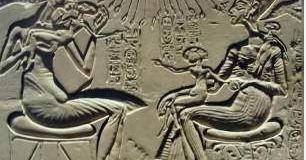
Ancient Egypt's religious system was complex, with a vast array of gods and goddesses. Deities like Isis and Osiris played central roles in Egyptian mythology, often associated with fertility, kingship, and the afterlife.
Lesser-Known Divine Figures
Beyond the well-known pantheons, Africa is home to numerous lesser-known divine figures. These include forest and water spirits, as well as animal deities and totems.
Forest and Water Spirits
In many African cultures, spirits associated with forests and water bodies are revered for their power and connection to nature. These spirits are often believed to influence fertility, prosperity, and protection.
Animal Deities and Totems
Animal deities and totems are significant in African spirituality, representing various qualities and attributes. For instance, the lion is often associated with strength and courage, while the python may symbolize renewal and transformation.
| Deity | Culture | Attributes |
|---|---|---|
| Shango | Yoruba | Thunder, Strength |
| Isis | Egyptian | Fertility, Magic |
| Oya | Yoruba | Storms, Change |
Ancestral Veneration: The Bridge Between Worlds
The reverence for ancestors is a profound aspect of African spirituality, serving as a bridge between the physical and spiritual realms. This deep-seated belief is rooted in the understanding that ancestors continue to play an active role in the lives of their descendants.
Practices of Ancestor Worship
Ancestor worship in Africa involves various rituals and practices aimed at honoring and appeasing the ancestors. These practices include offerings of food, drink, and other items believed to be appreciated by the ancestors. In many cultures, specific days are dedicated to ancestor veneration, where families gather to perform rituals and ceremonies.
The Role of Ancestors in Daily Life
Ancestors are believed to influence various aspects of daily life, from agricultural success to family health. They are considered guardians of tradition and moral guides.
Ancestral Guidance and Protection
Ancestors are often sought for guidance and protection. Through divination and other spiritual practices, individuals seek the advice and blessing of their ancestors.
Appeasing Displeased Ancestors
When misfortunes occur, it is often believed that ancestors are displeased. Rituals are performed to appease them, involving apologies and offerings to restore balance and harmony.
| Practice | Description | Significance |
|---|---|---|
| Food Offerings | Placing food and drink at ancestral shrines | Nourishing the ancestors and maintaining their favor |
| Ritual Ceremonies | Performing ceremonies to honor ancestors | Strengthening the bond between the living and the dead |
| Divination | Seeking guidance through spiritual means | Understanding ancestral will and guidance |
African Magic Systems and Mystical Practices
In the heart of African spirituality lies a complex system of magic and mysticism that has been passed down through generations. These practices are deeply intertwined with daily life, influencing everything from agricultural practices to personal protection.
Divination Techniques
Divination is a crucial aspect of African magic, allowing practitioners to gain insight into the future or understand hidden causes of current events. Two prominent methods of divination are bone throwing and cowrie shell reading.
Bone Throwing and Cowrie Shell Reading
Bone throwing involves the casting of animal bones, which are then interpreted based on their position and orientation. Similarly, cowrie shell reading uses shells to receive messages from the spiritual realm. Both methods require a deep understanding of the symbolic language used by the spirits.
Trance States and Spirit Communication
Trance states are another means by which practitioners communicate with the spiritual world. By entering a trance, individuals can receive messages, guidance, or healing energy from ancestors or deities.
Healing Rituals and Medicine
Healing rituals are a vital part of African magic, combining spiritual intervention with knowledge of herbal medicine. Practitioners use a variety of techniques, including prayer, ritual cleansing, and the application of sacred substances to restore health.
Protective Magic and Talismans
Protective magic is used to safeguard individuals, communities, and their belongings from harm. This can involve the creation of talismans, which are objects imbued with spiritual power to offer protection or attract positive energies.
| Practice | Purpose | Method |
|---|---|---|
| Bone Throwing | Divination | Casting animal bones |
| Cowrie Shell Reading | Divination | Interpreting shell patterns |
| Trance States | Spirit Communication | Entering a trance state |
Sacred Practitioners: Priests, Shamans, and Healers
Priests, shamans, and healers are integral to African spirituality, serving as bridges between the physical and spiritual worlds. These sacred practitioners play crucial roles in their communities, guiding individuals through various life events and spiritual quests.

Training and Initiation
The journey to becoming a sacred practitioner in African mysticism involves rigorous training and initiation processes. These processes can include years of apprenticeship under experienced practitioners, where they learn about rituals, healing practices, and divination techniques.
Social Roles and Responsibilities
Sacred practitioners hold significant social roles and responsibilities within their communities. They are often sought out for guidance on matters ranging from personal issues to communal conflicts, leveraging their spiritual insight to foster harmony and understanding.
Women as Spiritual Leaders
Women play a vital role as spiritual leaders in many African societies, contributing significantly to the preservation and transmission of spiritual knowledge and practices. Their roles as priestesses, healers, and spiritual guides underscore the importance of gender diversity in African mysticism.
The diverse roles of sacred practitioners underscore the richness and complexity of African spirituality. Through their work, these individuals help maintain the spiritual health and balance of their communities, ensuring the continuation of traditions that are fundamental to African identity.
Rituals and Ceremonies: Connecting with the Divine
The spiritual fabric of Africa is woven with diverse rituals and ceremonies that bridge the mortal and divine realms. These sacred practices are fundamental to African indigenous beliefs, fostering a deep connection between the community and the divine.
Seasonal and Agricultural Celebrations
Many African cultures celebrate seasonal and agricultural festivals, which are deeply rooted in their spiritual traditions. These celebrations often honor the cycles of nature and the gods associated with fertility and abundance. For example, the Yam Festival in West Africa is a significant event that marks the harvest season and involves rituals to thank the gods for a bountiful harvest.
Rites of Passage
Rites of passage are crucial in African cultures, marking important transitions in an individual's life. These rituals are designed to guide the individual through significant life changes, ensuring spiritual growth and community recognition.
Birth and Naming Ceremonies
Birth and naming ceremonies are joyous occasions that welcome newborns into the community. These rituals often involve prayers, blessings, and the presentation of the child to the ancestors.
Coming of Age Rituals
Coming of age rituals signify the transition from childhood to adulthood. These ceremonies typically include tests of endurance, spiritual guidance, and celebrations to mark the individual's new status within the community.
Community Healing Ceremonies
Community healing ceremonies are an integral part of African spiritual practices, aimed at restoring balance and harmony within the community. These rituals often involve traditional healing methods, prayers, and offerings to the ancestors and deities.
Some common practices include:
- Ritual dances to invoke healing energies
- Use of sacred herbs and plants for medicinal purposes
- Divination rituals to identify the causes of illness
Modern Survival: African Faiths in Contemporary Society
Despite historical challenges, African faiths remain vibrant, influencing contemporary culture and society. The legacy of African gods and the practice of African magic continue to shape the spiritual landscape of the continent.
Syncretic Religions
The blending of traditional African beliefs with other religious influences has given rise to syncretic religions. These faiths demonstrate the adaptability and resilience of African spirituality.
Vodun, Santería, and Candomblé
Notable examples include Vodun in West Africa, and Santería and Candomblé in the Americas, which originated from African diasporic traditions. These religions incorporate elements of African magic and reverence for African gods.
Christianity and Islam's Influence
The influence of Christianity and Islam has also shaped African faiths, leading to the development of unique religious practices that blend traditional and foreign elements.
Revival Movements and Cultural Preservation
There is a growing movement to revive and preserve African cultural heritage, including traditional faiths. Efforts include:
- Documenting oral traditions and sacred texts
- Restoring sacred sites and artifacts
- Promoting cultural education and awareness
These initiatives aim to safeguard the rich spiritual legacy of Africa for future generations.
Conclusion: Preserving the Sacred Heritage of Africa
Africa's rich spiritual heritage is a treasure trove of diverse traditions and beliefs, encompassing a wide array of practices and deities that have been passed down through generations. The forgotten faiths of Africa, with their intricate pantheon of traditional African deities, form an integral part of the continent's cultural identity.
Preserving African spirituality is crucial in maintaining the cultural heritage of the continent. By embracing and respecting these traditional practices, we can gain a deeper understanding of the complex societies that have shaped Africa's history. The significance of traditional African deities and their associated myths and legends cannot be overstated, as they provide valuable insights into the worldview and values of Africa's diverse populations.
Efforts to preserve and promote African spirituality can help to revitalize cultural heritage and foster a sense of community and identity. By acknowledging the importance of these traditions, we can work towards a more inclusive and nuanced understanding of the continent's rich cultural landscape.