

Dervishes
Dervishes
Meaning & Origin:
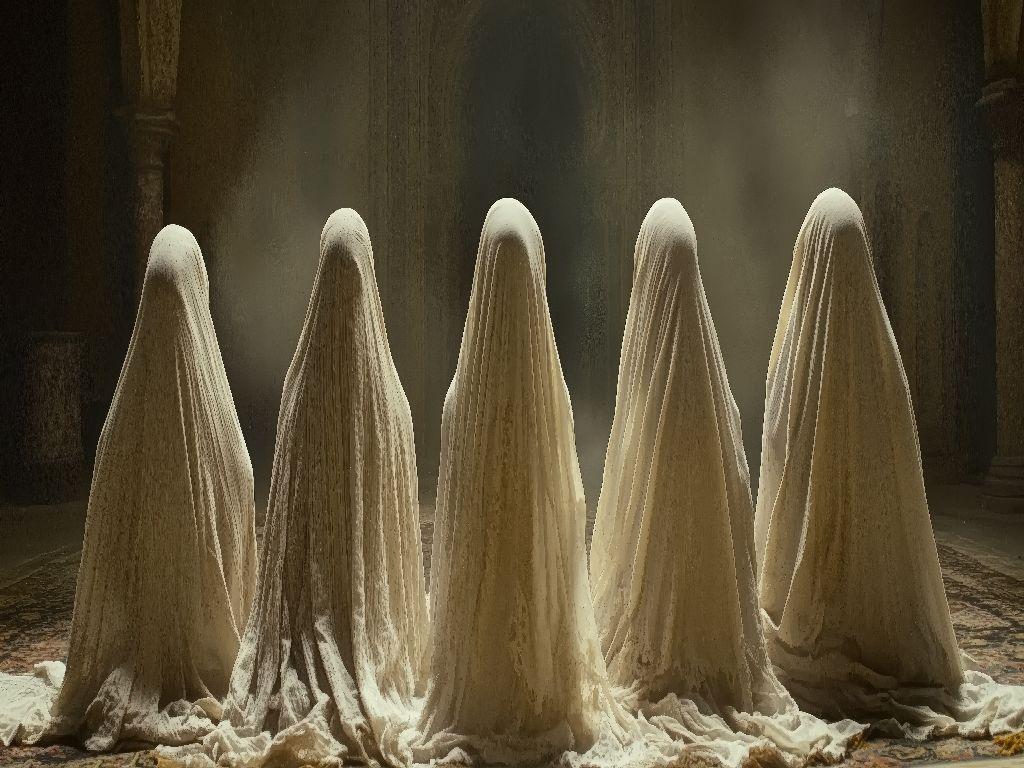
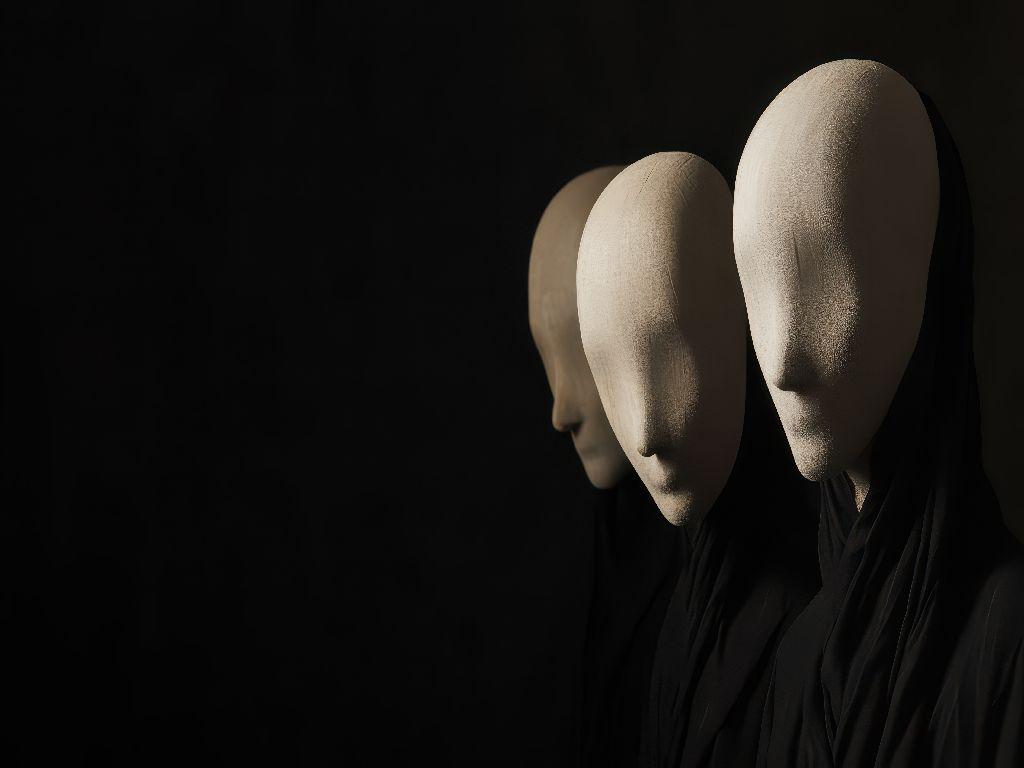
The word Dervish (Persian darwīsh, Arabic darwīsh — “poor,” “humble”) refers, in Islamic mysticism — especially in Sufism — to a spiritual seeker or initiate walking the path of divine love and inner poverty. The Dervish renounces worldly attachment to awaken to the unity of all being in God.
Esoteric Significance:
-
The Dervish is the wanderer of the heart, poor in ego but rich in spirit.
-
Through prayer, song, and sacred movement, he seeks Wajd — ecstatic union with the Divine Breath.
-
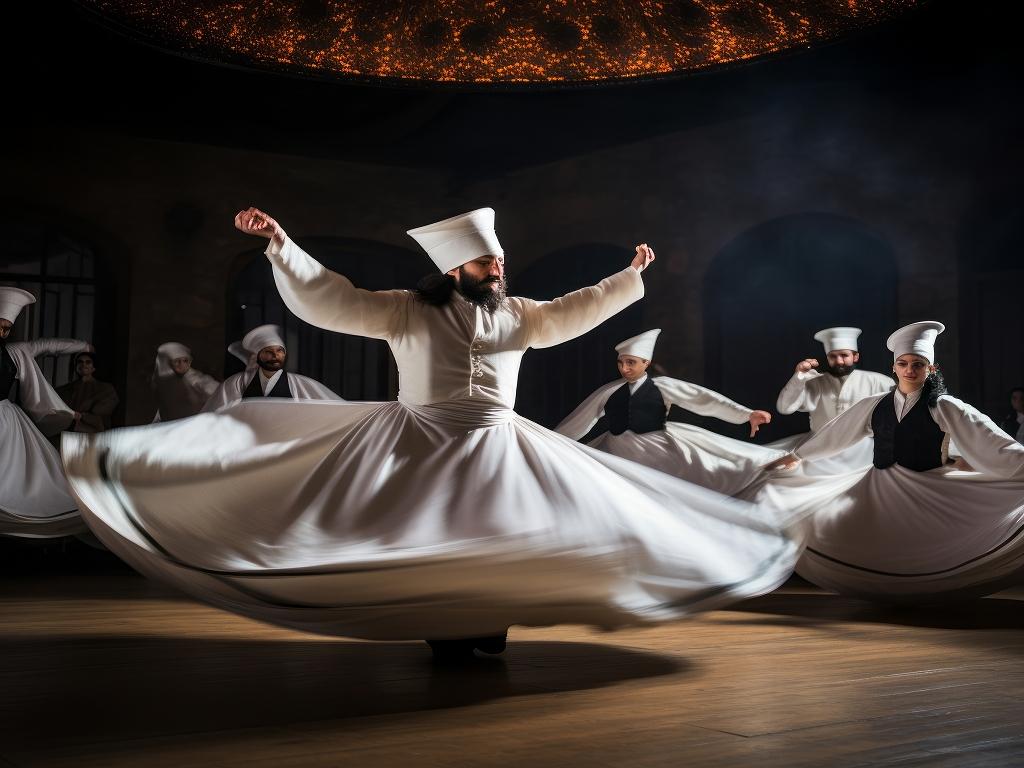
The Whirling Dervishes of the Mevlevi Order express this union through their Sema, the sacred turning that mirrors the cosmic dance of the planets and the soul’s rotation around the Beloved.
-
Esoterically, the Dervish embodies the mystic of motion — dissolving the self through rhythm, devotion, and surrender until only divine presence remains.
-
His “poverty” is not deprivation but detachment: the release of illusion so that the heart may become the vessel of God.
Legacy & Practice:
The Dervishes represent the living mysticism of Islam, where knowledge is replaced by direct experience. Their path unites discipline, love, music, and movement into a single current of transformation. Even today, their sacred dance and chants inspire seekers of all faiths to find the Divine not in thought, but in turning, breathing, and loving.
Keywords: Sufism, Devotion, Ecstasy, Dance, Union with the Divine
Links:

Your guide to spiritual knowledge: The esoteric lexicon as a key to the inner world

The Art of Channeling: Connecting with Higher Realms for Clarity and Purpose
Read More
Exploring the Tranquil Path: Understanding Akashic Records and Karmic Healing
Read More