
Leceomancy
Definition & Origin:
Lecanomancy (from Greek lekánē meaning bowl or basin and manteía meaning divination) is a form of divination using a bowl of water as the medium. It belongs to hydromancy and is closely related to scrying practices.
Core Concept & Worldview:
Lecanomancy assumes that water, as a fluid and receptive element, can reveal impressions or hidden truths. The water’s surface acts as a liminal space between conscious perception and unconscious imagery. Movements, reflections, or introduced substances create patterns interpreted symbolically.
Methods of Lecanomancy:
-
Water Scrying: Gazing into still water until images appear.
-
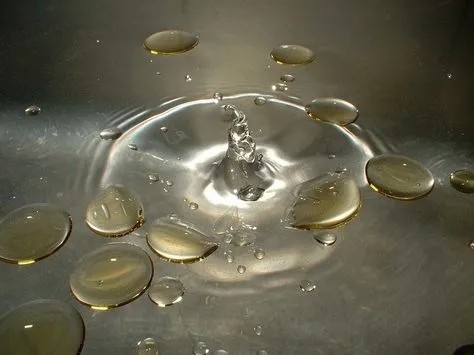
Oil Drop Oracle: Dropping oil into water and interpreting the patterns formed.
-
Object Casting: Observing ripples and motion from thrown objects.
-
Reflection Reading: Interpreting mirrored shadows or shapes.
-
Ritual Invocation: Prayers or invocations preceding the practice.
Historical & Cultural Context:
Lecanomancy was practiced in antiquity, especially in the Mediterranean and the Ancient Near East. Water oracles appeared in temples and domestic rituals. Water was widely regarded as purifying and truth-revealing.
Symbolic Meaning:
Water symbolizes emotion, intuition, and depth. In divination, it points to hidden feelings and subtle transitions. The bowl represents containment—making the formless perceptible.
Psychological Interpretation:
Psychologically, lecanomancy functions as a meditative focus technique that activates internal imagery. The still surface of water becomes a projection screen for unconscious material.
Modern Esoteric Use:
Today, lecanomancy appears mainly as a simplified form of scrying, often associated with lunar rituals or elemental work. It is primarily used for intuitive self-reflection.
Distinction:
Lecanomancy is a specific branch of hydromancy and differs from onychomancy by using natural water instead of the body, and from catoptromancy by lacking a solid mirror surface.