

Necromancy
Definition & Origin:
Necromancy (from Greek nekrós meaning dead person and manteía meaning divination) is a form of divination that seeks knowledge by invoking the spirits of the deceased. It is one of the oldest and most controversial branches of divinatory practice.
Core Concept & Worldview:
Necromancy is based on the belief that consciousness survives death and that the dead possess insight inaccessible to the living. The boundary between life and death is considered permeable, especially at liminal times or sacred sites.
Forms of Necromancy:
-
Spirit Conjuration: Ritual invocation of the deceased for questioning.
-
Grave Oracles: Divination performed at burial sites or necropolises.
-
Dream Necromancy: Communication through dreams.
-
Mediumistic Necromancy: Contact mediated by a spiritual medium.
-
Symbolic Necromancy: Working with ancestral symbols without literal evocation.
Historical & Cultural Context:
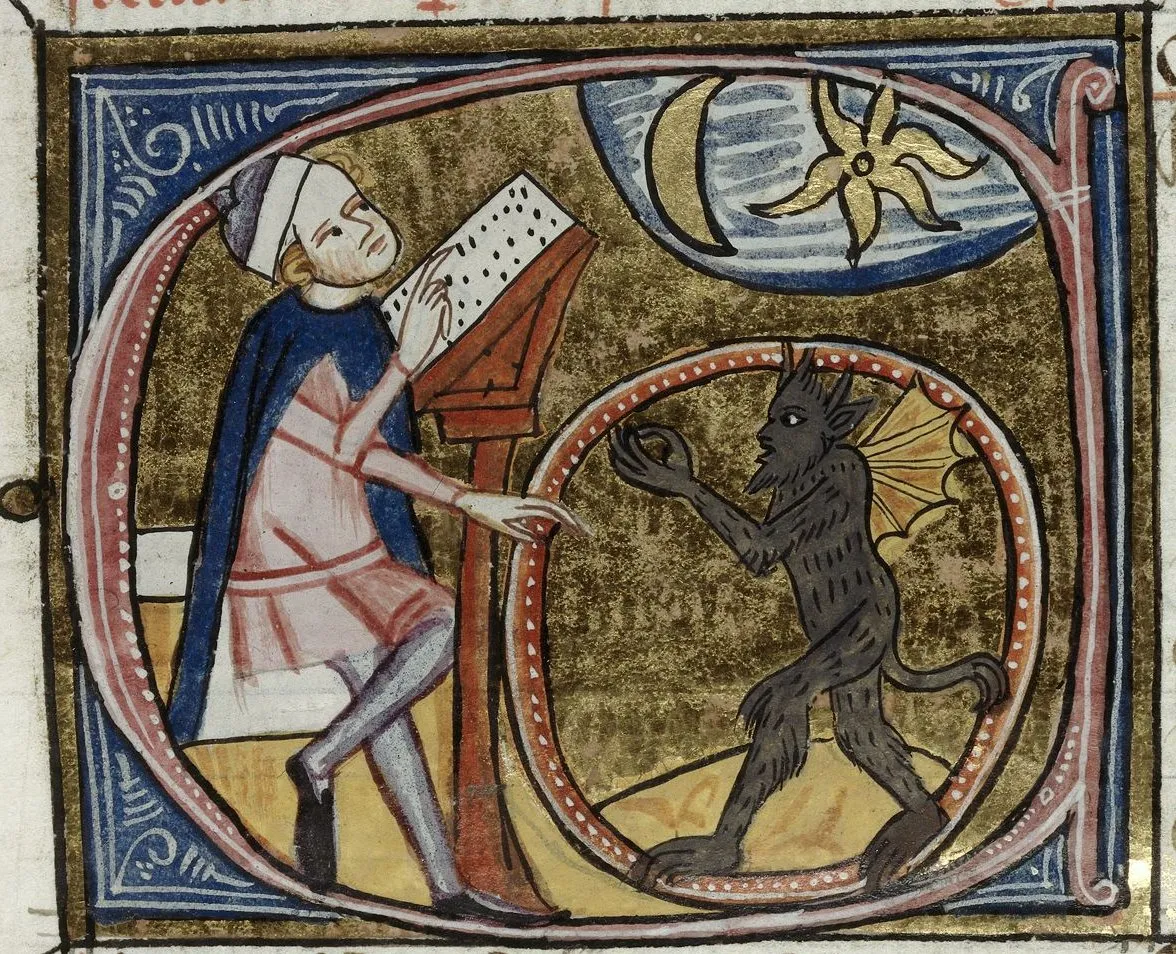
Necromancy appears in ancient Near Eastern, Greek, and Roman traditions, as well as in medieval magical texts. Certain locations were dedicated to consulting the dead. In later European history, necromancy was often conflated with forbidden magic and demonology.
Symbolic Meaning:
Symbolically, necromancy represents engagement with mortality, memory, and ancestral wisdom. It addresses continuity between past and present and questions concerning the nature of consciousness.
Psychological Interpretation:
Psychologically, necromancy can be viewed as ritualized grief work or dialogue with internalized ancestral figures. The “contact” may reflect integration of past experiences or inherited patterns.
Modern Esoteric Use:
In contemporary spirituality, necromancy is generally practiced in softened forms such as ancestor work or spiritualism. Its purpose is reconciliation with the past and symbolic communication with one’s roots rather than literal summoning.
Distinction:
Necromancy differs from theomancy by focusing on the dead rather than divine beings and from sciomancy by explicitly addressing spirits rather than symbolic shadows.