

Physiognomy
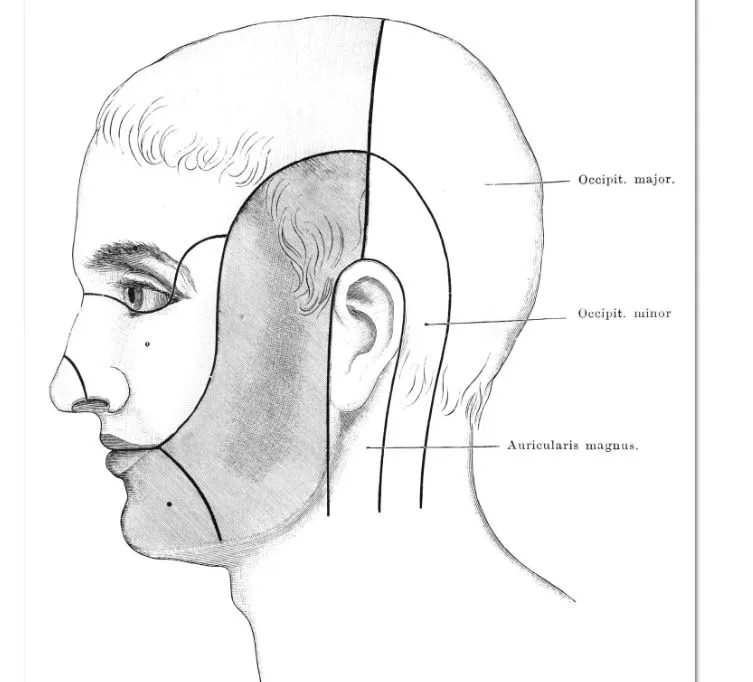
Physiognomy (from Greek phýsis meaning nature and gnṓmē meaning knowledge or judgment) is the practice of interpreting outer physical features—especially the face—as indicators of character and inner disposition. It lies at the intersection of anthropology, symbolism, and bodily divination.
Core Concept & Worldview:
Physiognomy assumes unity between body and soul, suggesting that inner qualities manifest visibly in outward appearance. The face is regarded as a mirror of the inner self, with its shape and proportions revealing personality traits or life tendencies.
Key Elements of Interpretation:
-
Face Shape: Round, oval, angular forms linked to temperaments or elements.
-
Eyes: Size, gaze, spacing as signs of mental and emotional qualities.
-
Nose: Shape symbolizing willpower or individuality.
-
Mouth & Lips: Indicators of emotional expression or restraint.
-
Forehead: Width and curvature associated with intellect.
-
Proportions: Harmony reflecting inner balance.
Historical & Cultural Context:
Physiognomic ideas date back to antiquity, especially in Greek philosophy. Parallel systems developed in Chinese and Indian traditions. In Europe, physiognomy flourished during the Renaissance and the 18th century before facing critical reassessment.
Symbolic Meaning:
Symbolically, physiognomy represents the belief that form carries meaning. The face becomes a visible expression of invisible forces, embodying individuality and life direction.
Critical & Scientific Perspective:
Modern science rejects deterministic physiognomic claims. Historically, physiognomy has sometimes been misused to justify prejudice. Contemporary perspectives view it primarily as a cultural or symbolic system rather than empirical science.
Modern Esoteric Use:
Today, physiognomy appears in softened, symbolic contexts, such as personality reflection or holistic counseling, emphasizing self-awareness rather than judgment.
Distinction:
Physiognomy differs from palmistry by focusing on facial structure rather than hand lines and from moleosophy by interpreting overall features instead of specific marks.