Qumran
Qumran
Archaeology / Second Temple Judaism / Essenes / Apocrypha / Esoteric Traditions
Definition:
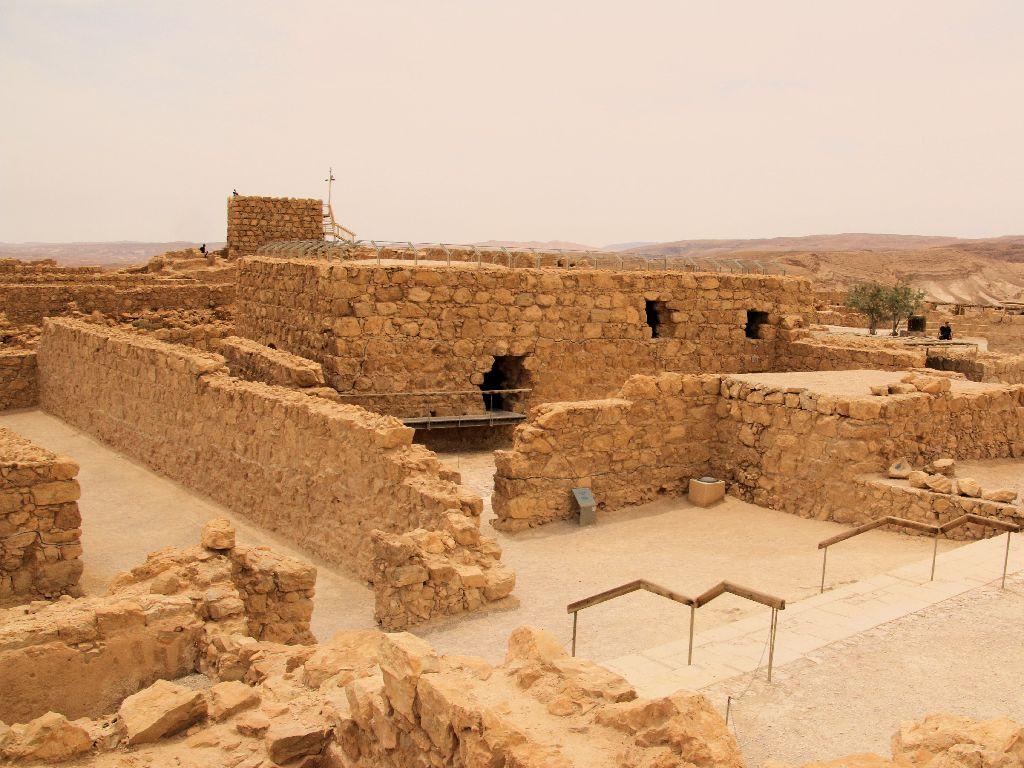
Qumran refers to an archaeological site located on the northwest shore of the Dead Sea, in modern-day Israel. It gained worldwide attention due to the discovery of the Dead Sea Scrolls, ancient manuscripts found in nearby caves between 1947 and 1956. These texts represent one of the most significant discoveries of biblical and religious literature in modern times.
Historical and Religious Context:
-
Qumran is widely associated with the Essenes, a Jewish sect active during the Second Temple period (ca. 2nd century BCE – 1st century CE)
-
The Dead Sea Scrolls include:
-
Biblical manuscripts (some of the oldest surviving copies of Hebrew scriptures)
-
Apocryphal and pseudepigraphal texts
-
Community rules, hymns, visions, apocalyptic writings, and more
-
-
Notable documents: the Community Rule, the Damascus Document, and the War Scroll (War of the Sons of Light against the Sons of Darkness) – reflecting strong dualist and messianic themes
Esoteric and Mystical Significance:
-
In esoteric circles, Qumran is often viewed as the source of suppressed or hidden knowledge, sidelined by institutional religions
-
The dualistic imagery, apocalyptic worldview, and reference to the "Sons of Light" resonate with gnostic and spiritual interpretations
-
Some connect Qumran to the Gnostic tradition, speculate that Jesus was an Essene, or suggest links to lost mystical schools
Scholarly Importance:
-
Offers a unique window into Jewish apocalypticism, sectarianism, and textual traditions of the late Second Temple era
-
Illuminates the religious context out of which early Christianity emerged
-
Highlights the diversity of Jewish thought in the time of Jesus
Modern Reception:
-
Frequently featured in documentaries, novels, and conspiracy theories
-
In spiritual literature, often cited in connection with secret teachings, early Christianity, or lost gospels
-
Some regard Qumran as a key to an original, pre-church spiritual message, now obscured by dogma