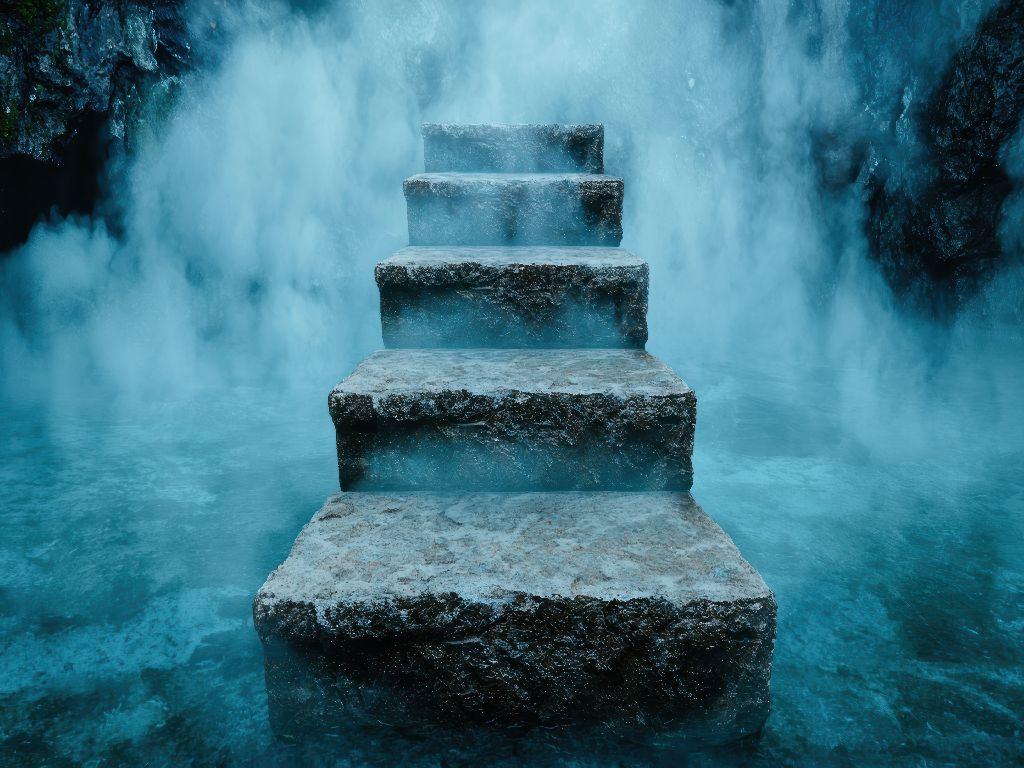


Stupa
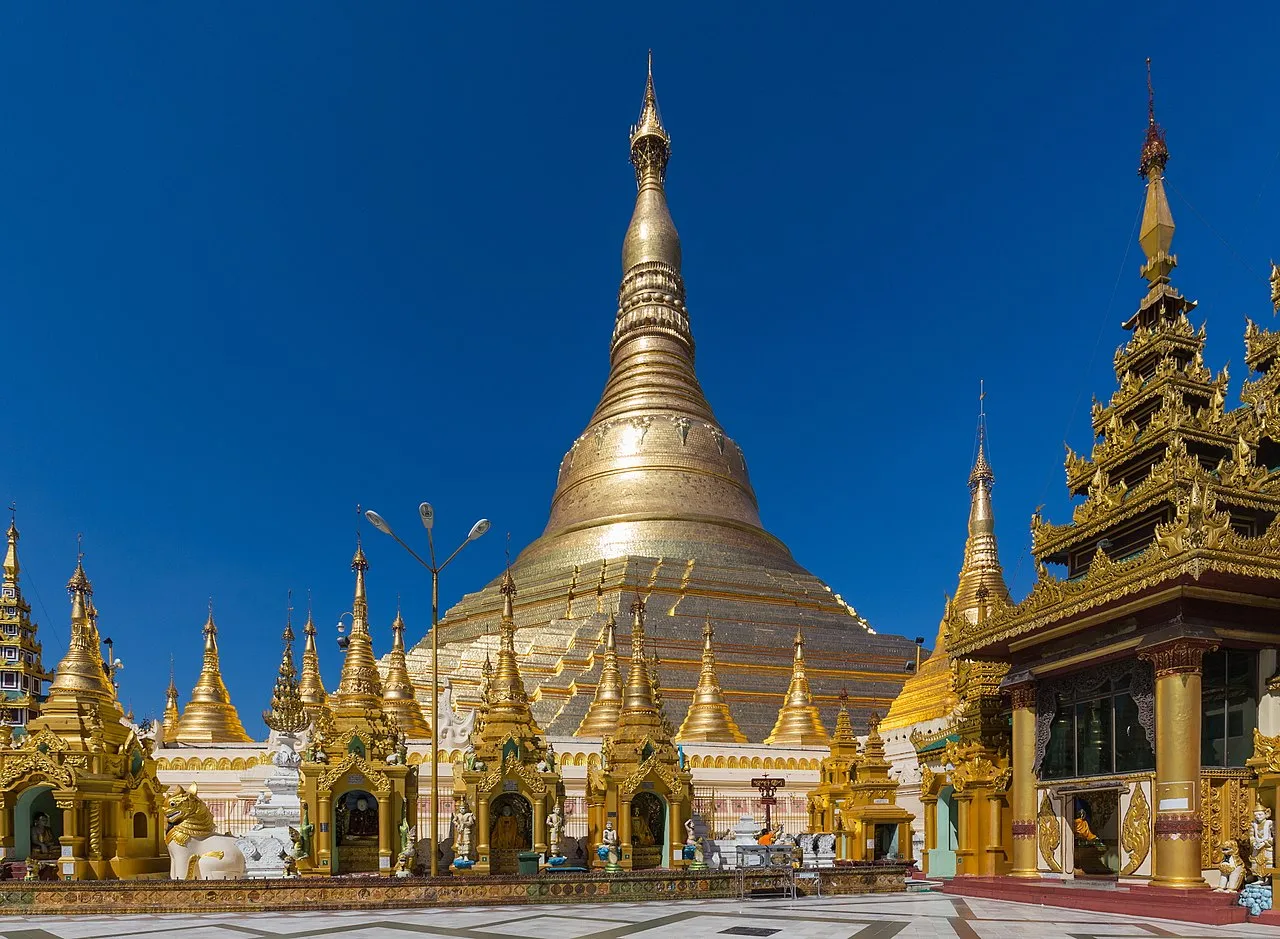
Stupa (from Sanskrit स्तूप, originally meaning “mound” or “heap”) refers in Buddhism to a sacred monument that enshrines relics, texts, or holy objects and functions as a three-dimensional expression of awakening. Historically emerging as reliquary mounds for the Buddha, stupas evolved esoterically into an architecture of consciousness.
Symbolically, a stupa is not merely a building but an embodied path. Each of its structural elements represents aspects of the spiritual journey: the base signifies grounding and ethical stability, the dome wholeness and meditative integration, and the spire insight opening into space. Practitioners do not “read” a stupa intellectually, but with the body, by circumambulating it.
Esoterically, the stupa is regarded as a condensed presence of the Buddha mind. It teaches not through words but through resonance: proportion, form, and orientation create a field that supports clarity, mindfulness, and compassion. Ritual circumambulation (pradakshina) symbolizes the alignment of one’s own awareness with cosmic order.
In tantric and Vajrayana contexts, the stupa is understood as an outer mandala, mirroring the subtle body and its centers of energy. It simultaneously represents the cosmos, the Buddha, and the human being. In this layered symbolism lies its power: the stupa is place, symbol, and state at once.
Symbolic Layers:
-
Architectural: sacred monument and reliquary
-
Cosmic: model of the universe
-
Mystical: embodied state of awakening
Key Images: white dome, ascending spire, relic chamber, pilgrims in circumambulation, open sky


Quantum Healing: Discovering the Fascinating Connection Between Science and Healing
Read More
Discover the power of hypnosis and self-hypnosis: Your path to personal transformation!
Read More
Unleashing the Power of Psychedelic Experiences: A Journey Through Spiritual Plants and Personal Transformation!
Read More