Biofeedback & Bioresonanz: Unlock Your Body's Potential
Have you ever wondered how your body responds to stress or how you can harness its natural healing capabilities? The connection between your mind and body is powerful, and techniques like biofeedback and bioresonanz can help you tap into this potential.
By understanding and utilizing these methods, you can gain better control over your physiological responses, enhancing your overall well-being. This article will explore how biofeedback and bioresonanz work, their benefits, and how they can be used to improve your health.

Key Takeaways
- Understanding the concept of biofeedback and its role in self-regulation.
- Exploring the principles of bioresonanz and its applications.
- Learning how these techniques can enhance the mind-body connection.
- Discovering the benefits of using biofeedback and bioresonanz for overall health.
- Practical ways to incorporate these methods into your daily life.
The Power of Mind-Body Connection
The mind-body connection is a powerful force that influences our health and well-being in profound ways. This intricate link between our mental and physical states is fundamental to understanding how we can achieve optimal health.
How Our Bodies Communicate Through Signals
Our bodies constantly communicate through various signals, such as heart rate, blood pressure, and brain activity. These physiological responses can indicate stress, relaxation, or other emotional states. By becoming more aware of these signals, we can better understand our body's needs and respond accordingly.
Biofeedback is a technique that helps individuals become aware of these physiological responses and learn to control them. By using biofeedback devices, people can gain insights into their body's signals and develop strategies to regulate their responses, leading to improved health and well-being.
The Role of Self-Regulation in Health
Self-regulation is the ability to control our physiological and emotional responses to various stimuli. It plays a crucial role in maintaining good health by enabling us to manage stress, anxiety, and other factors that can impact our well-being. Through self-regulation techniques such as meditation, deep breathing, and progressive muscle relaxation, individuals can improve their overall health and resilience.
By understanding the mind-body connection and developing self-regulation skills, we can unlock our body's potential for optimal health and well-being.
Understanding Biofeedback & Bioresonanz
As interest in holistic health practices grows, understanding biofeedback and bioresonanz becomes increasingly important. These complementary therapies have garnered attention for their potential in promoting health and wellness.
Defining These Complementary Approaches
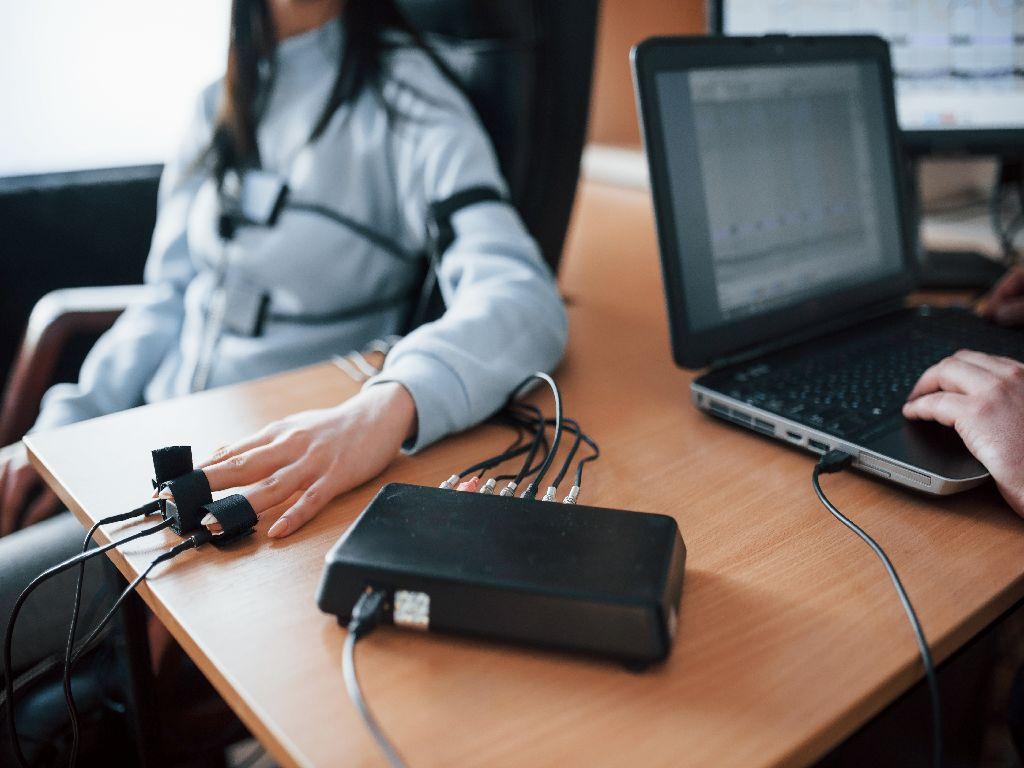
Biofeedback is a technique that involves using equipment to monitor and control physiological processes that are typically not within the individual's conscious awareness, such as heart rate or blood pressure. This allows individuals to learn how to self-regulate these processes.
Bioresonanz, on the other hand, is based on the principle that every living organism emits electromagnetic waves, and by analyzing and adjusting these frequencies, balance can be restored to the body's physiological processes.
Key Differences and Similarities
While both biofeedback and bioresonanz aim to promote health through self-regulation and frequency adjustment, they differ significantly in their approaches. Biofeedback focuses on training individuals to control physiological responses, whereas bioresonanz involves the use of devices to detect and correct imbalances in the body's electromagnetic frequencies.
| Aspect | Biofeedback | Bioresonanz |
|---|---|---|
| Primary Focus | Training individuals to control physiological responses | Detecting and correcting electromagnetic frequency imbalances |
| Method of Action | Using equipment to monitor physiological processes | Analyzing and adjusting electromagnetic waves |
Historical Development and Evolution
Biofeedback has its roots in the 1960s, emerging from the field of psychophysiology. Bioresonanz, developed in the 1970s and 1980s, draws on principles from physics and medicine. Both have evolved over time, incorporating new technologies and insights.
The development of these therapies reflects a broader shift towards more holistic and integrative approaches to health, emphasizing the interconnectedness of body, mind, and environment.
How Biofeedback Technology Works
The science behind biofeedback is rooted in measuring physiological responses. This technology allows individuals to become aware of and control their bodily functions, promoting self-regulation and overall well-being.
Measuring Physiological Responses
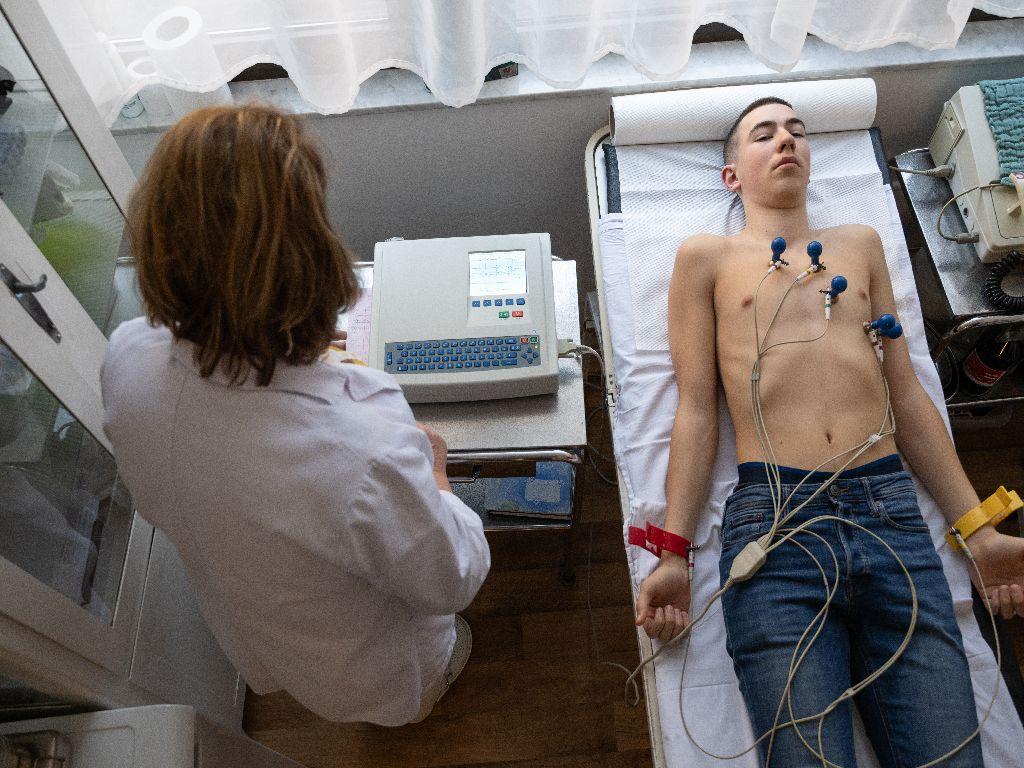
Biofeedback devices measure various physiological processes, such as heart rate, skin temperature, and brain activity. These measurements are then translated into visual or auditory signals, helping individuals understand their body's responses to different stimuli.
Common Biofeedback Devices and Methods
Several types of biofeedback devices are used, each measuring different physiological responses. Some common methods include:
- EEG (Electroencephalography) and Neurofeedback: These measure brain activity, helping individuals control their brainwaves and improve cognitive function.
- Heart Rate Variability (HRV) Training: This measures the variation in time between heartbeats, providing insights into the autonomic nervous system's balance.
EEG and Neurofeedback
EEG and neurofeedback are used to treat conditions like ADHD and anxiety. By monitoring brain activity, individuals can learn to control their brainwaves, leading to improved focus and calmness.
Heart Rate Variability Training
HRV training helps individuals manage stress and improve cardiovascular health. By becoming aware of their heart rate variability, they can learn to balance their autonomic nervous system.
As "The key to effective biofeedback is not just the technology itself, but how it empowers individuals to take control of their health."
The Science Behind Bioresonanz Therapy
The science behind bioresonanz therapy is rooted in the electromagnetic frequency theory, which suggests that every cell, tissue, and organ has its unique frequency.
Electromagnetic Frequency Theory
According to this theory, when the body's electromagnetic frequencies are in balance, the body is in a state of health. Conversely, when these frequencies are disrupted, it can lead to disease or dysfunction. Bioresonanz therapy aims to identify and correct these imbalances.
Key aspects of the electromagnetic frequency theory include:
- Every living being emits electromagnetic frequencies.
- Diseases or toxins can alter these frequencies.
- Bioresonanz devices can detect and measure these changes.
Bioresonanz Equipment and Procedures
Bioresonanz therapy utilizes specialized equipment to detect and treat imbalances in the body's electromagnetic frequencies. Two of the most commonly used devices are MORA and BICOM devices.
MORA and BICOM Devices
MORA and BICOM devices are sophisticated bioresonanz machines that can detect subtle changes in the body's electromagnetic frequencies. These devices are used to:
| Device Function | Description |
|---|---|
| Diagnostic | Detect imbalances in the body's electromagnetic frequencies. |
| Therapeutic | Emit corrective frequencies to restore balance. |
As Dr. Franz Morell, the developer of MORA therapy, once said,
"The bioresonance method is based on the fact that healthy cells, tissues, and organs emit certain electromagnetic oscillations."
By understanding and applying the principles of bioresonanz therapy, practitioners can offer a non-invasive and holistic approach to health and wellness.
Health Benefits of Biofeedback Training
Biofeedback training has emerged as a powerful tool for enhancing overall health and well-being. By providing individuals with real-time information about their physiological responses, biofeedback training enables them to make subtle changes in their body, achieving a more balanced state.
Stress and Anxiety Reduction
One of the primary benefits of biofeedback training is its ability to reduce stress and anxiety. Through techniques such as heart rate variability (HRV) biofeedback, individuals can learn to control their heart rate and blood pressure, leading to a calmer state.
Pain Management Techniques
Biofeedback training is also effective in managing chronic pain. By becoming aware of their body's responses to pain, individuals can learn to relax and reduce their pain levels. Techniques such as thermal biofeedback can help individuals control their skin temperature, which is often associated with pain relief.
Improving Sleep Quality
Biofeedback training can help improve sleep quality by teaching individuals relaxation techniques and helping them become more aware of their body's sleep-related physiological responses.
Performance Enhancement
Athletes and performers can benefit from biofeedback training by learning to control their physiological responses under stress, leading to improved performance.
| Benefit | Description |
|---|---|
| Stress Reduction | Biofeedback helps individuals manage stress through controlled breathing and relaxation. |
| Pain Management | Techniques like thermal biofeedback aid in pain relief by controlling skin temperature. |
| Sleep Improvement | Biofeedback training teaches relaxation techniques, improving sleep quality. |
| Performance Enhancement | Athletes use biofeedback to control physiological responses under stress, enhancing performance. |
Potential Applications of Bioresonanz
With its unique approach, bioresonanz is being explored for multiple health applications. Bioresonanz therapy has been found to have various potential uses in healthcare, ranging from managing allergies to supporting detoxification processes.
Allergy Detection and Management
One of the significant applications of bioresonanz is in allergy detection. By identifying specific allergens, bioresonanz can help in creating personalized treatment plans. This approach can be particularly beneficial for individuals with multiple allergies or sensitivities.
Detoxification Support
Bioresonanz is also used to support detoxification processes in the body. It is believed to help in identifying and addressing toxins, thereby promoting overall well-being. Some practitioners use bioresonanz in conjunction with other detoxification methods for enhanced results.

Immune System Regulation
The therapy is thought to have a positive impact on the immune system. By potentially regulating and balancing the body's energy, bioresonanz may help in boosting immunity and reducing the risk of illnesses.
Digestive Health Improvement
Bioresonanz can also be applied to improve digestive health. Practitioners believe that by addressing imbalances in the body's energy, bioresonanz can help alleviate digestive issues and promote a healthier gut.
| Application | Description | Potential Benefits |
|---|---|---|
| Allergy Detection | Identifying specific allergens | Personalized treatment plans |
| Detoxification Support | Addressing toxins in the body | Enhanced overall well-being |
| Immune System Regulation | Regulating the body's energy | Boosted immunity |
| Digestive Health Improvement | Addressing energy imbalances | Alleviated digestive issues |
As research continues to evolve, the potential applications of bioresonanz are likely to expand, offering new avenues for healthcare and wellness.
Scientific Research and Evidence
Biofeedback and bioresonanz have garnered attention for their potential health benefits, but what does the current scientific evidence say? As these therapies continue to gain popularity, it's crucial to examine the research backing their efficacy and understand the perspectives of medical professionals.
Clinical Studies on Biofeedback Efficacy
Numerous studies have investigated the effectiveness of biofeedback training. Research has shown that biofeedback can be particularly effective in managing stress and anxiety, improving sleep quality, and enhancing athletic performance. For instance, a study published in the Journal of Applied Psychophysiology found that biofeedback training significantly reduced symptoms of anxiety in individuals with chronic anxiety disorders.
Current Research Status of Bioresonanz
Bioresonanz therapy, while popular in some regions, has a more limited body of research supporting its efficacy. Some studies suggest that bioresonanz can be beneficial for allergy detection and management, as well as for certain gastrointestinal issues. However, the scientific community remains cautious, citing the need for more rigorous and large-scale studies to confirm these findings.
Controversies and Limitations in Research
Despite the promising results from some studies, both biofeedback and bioresonanz face criticisms and controversies within the scientific community. One of the main concerns is the variability in treatment protocols and the lack of standardization, which can make it difficult to compare results across different studies. Additionally, some research has been criticized for methodological flaws, further complicating the assessment of these therapies' true efficacy.
What Medical Professionals Say
Opinions among medical professionals vary widely. Some practitioners view biofeedback as a valuable tool for managing certain conditions, particularly when used in conjunction with conventional treatments. Bioresonanz, on the other hand, is often met with skepticism due to its less robust evidence base. Nonetheless, there is a growing recognition of the need for more comprehensive research to fully understand the potential benefits and limitations of these therapies.
Finding a Qualified Practitioner
When seeking biofeedback or bioresonanz therapy, it's crucial to find a qualified practitioner to ensure effective treatment. A well-qualified practitioner can make a significant difference in the success of the therapy.
Certifications and Credentials to Look For
A qualified practitioner should have relevant certifications and credentials in biofeedback or bioresonanz therapy. Look for certifications from reputable organizations such as the Biofeedback Certification International Alliance (BCIA) or equivalent bodies in your region. These certifications indicate that the practitioner has undergone rigorous training and has the necessary expertise.
Questions to Ask Before Starting Treatment
Before commencing therapy, it's essential to ask the right questions to ensure you're in good hands. Some key questions to ask include:
- What experience do you have with biofeedback or bioresonanz therapy?
- What certifications or credentials do you hold?
- Can you explain your treatment approach and what I can expect during sessions?
Red Flags to Watch Out For
While searching for a practitioner, be aware of potential red flags. These may include:
- Lack of transparency about their qualifications or experience
- Unrealistic promises or guarantees about treatment outcomes
- Poor communication or unprofessional behavior
By being diligent and doing your research, you can find a qualified practitioner who meets your needs and helps you achieve your health goals through biofeedback or bioresonanz therapy.
What to Expect During Treatment Sessions
Understanding what to expect during biofeedback and bioresonanz treatment can significantly enhance your therapeutic journey. Both modalities offer unique approaches to health and wellness, and being informed can help alleviate any anxiety you may have about the treatment process.
Biofeedback Session Structure
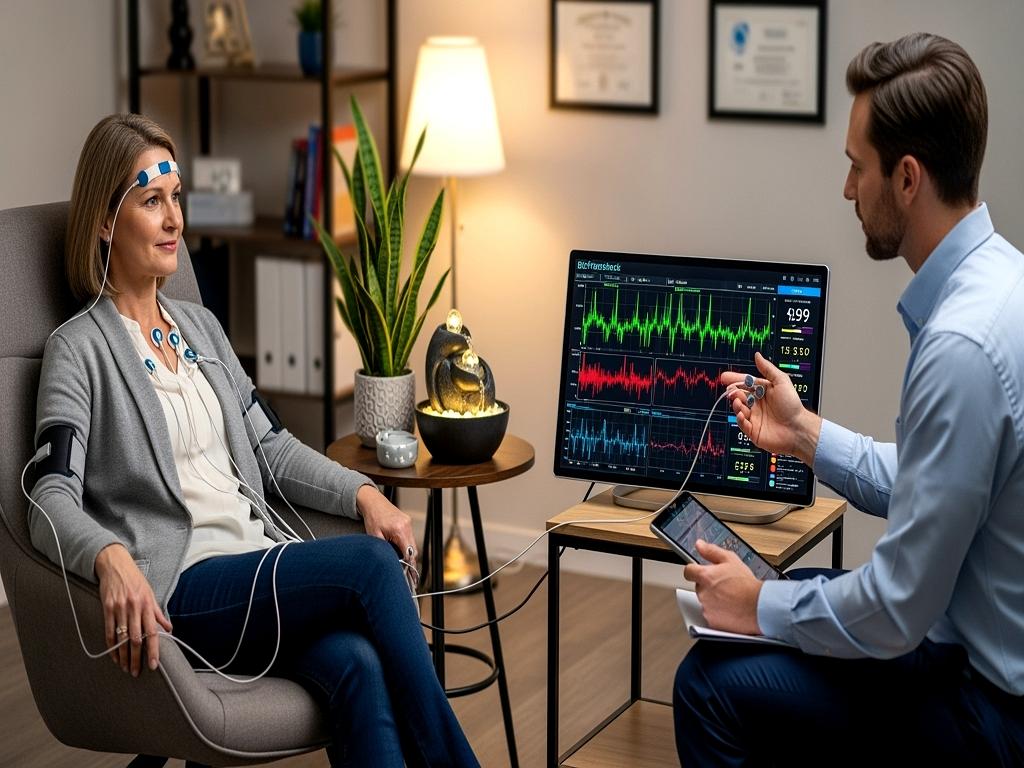
A typical biofeedback session involves the use of sensors to monitor your physiological responses, such as heart rate and skin temperature. The information is then used to help you become aware of your body's signals and learn self-regulation techniques. Initial sessions may include a consultation to discuss your health goals and any concerns you may have.

Typical Bioresonanz Treatment Experience
During a bioresonanz treatment, you'll typically be seated or lying down comfortably. The practitioner will use a bioresonanz device to detect and balance your body's electromagnetic frequencies. This non-invasive procedure is generally considered relaxing and pain-free.
Setting Realistic Expectations
It's essential to understand that both biofeedback and bioresonanz treatments are part of a holistic approach to health. Results can vary, and multiple sessions may be necessary to achieve desired outcomes. Discussing your expectations with a qualified practitioner can help tailor the treatment to your needs.
By knowing what to expect, you can better engage with the treatment and potentially enhance its benefits.
At-Home Options and Cost Considerations
At-home biofeedback and bioresonanz therapies offer a convenient and cost-effective alternative to traditional clinical settings. This shift towards home-based care is largely driven by advancements in technology and the growing demand for self-managed health solutions.
Consumer Biofeedback Devices
Consumer biofeedback devices range from simple heart rate variability monitors to more complex systems that measure multiple physiological parameters. These devices are designed to be user-friendly, allowing individuals to track their progress and make informed decisions about their health.
Apps and Digital Solutions
In addition to hardware devices, numerous apps and digital platforms offer biofeedback training. These digital solutions often utilize smartphone cameras or wearable devices to measure physiological responses, providing guided exercises and personalized feedback.
Insurance Coverage and Typical Costs
The cost of biofeedback and bioresonanz therapies can vary widely, depending on the technology used and the frequency of sessions. While some insurance plans may cover biofeedback therapy, especially when used for specific medical conditions, coverage for bioresonanz is less common. Individuals should check with their insurance providers to understand what is covered under their plan.
Success Stories and Personal Experiences
Many individuals have discovered the transformative power of biofeedback and bioresonanz in their health journeys. These therapies have been life-changing for numerous people, offering new paths to wellness and improved quality of life.
Transformative Health Journeys
People from all walks of life have shared inspiring stories of how biofeedback and bioresonanz helped them overcome various health challenges. For instance, individuals suffering from chronic pain have reported significant reductions in their discomfort levels after undergoing biofeedback training. As one patient noted, "
Biofeedback training was a game-changer for my chronic pain management. I feel more in control of my body now.
"
Athletes and Performance Enhancement
Athletes have also benefited from these therapies, using them to enhance their performance and gain a competitive edge. Biofeedback helps athletes manage stress and anxiety, leading to improved focus and overall performance. Notably, some professional athletes have credited biofeedback for helping them achieve peak performance during critical competitions.
Chronic Condition Management
Moreover, biofeedback and bioresonanz have been instrumental in managing chronic conditions. Patients with conditions such as hypertension and migraines have seen improvements in their symptoms through regular biofeedback sessions. The ability to self-regulate physiological responses has been particularly empowering for these individuals.
The personal experiences and success stories surrounding biofeedback and bioresonanz underscore the potential of these therapies to positively impact lives. As more people discover the benefits of these treatments, their popularity continues to grow.
Conclusion: Taking the First Step Toward Optimal Health
As we've explored throughout this article, biofeedback and bioresonanz offer powerful tools for achieving optimal health. By understanding and harnessing the body's natural signals, individuals can take control of their well-being, addressing a range of health concerns from stress and anxiety to chronic pain and performance enhancement.
Taking the first steps towards exploring biofeedback and bioresonanz can be a transformative decision. Whether you're seeking to improve your physical health, enhance your mental clarity, or simply feel more balanced in your daily life, these therapies provide a holistic approach to wellness.
By incorporating biofeedback and bioresonanz into your health regimen, you're not just treating symptoms – you're working to understand and optimize your body's innate potential. As you consider these options, remember that the journey to optimal health is personal and multifaceted. Start by finding a qualified practitioner, exploring at-home options, or simply learning more about how these therapies can support your unique needs.
Embracing biofeedback and bioresonanz is about taking an active role in your health journey, making informed choices that foster well-being and resilience. As you move forward, you're not just taking the first step – you're embarking on a path towards a healthier, more vibrant you.
FAQ
What is biofeedback and how does it work?
Biofeedback is a technique that uses equipment to measure and provide information about specific physiological processes, such as heart rate or skin temperature, allowing individuals to learn to control these processes through training and practice.
What is bioresonanz therapy?
Bioresonanz therapy is a complementary therapy that involves the use of devices to detect and treat imbalances in the body's electromagnetic frequencies, aiming to restore balance and promote well-being.
Are biofeedback and bioresonanz therapies supported by scientific evidence?
While some studies support the efficacy of biofeedback for certain conditions, the evidence for bioresonanz is more limited and often controversial, highlighting the need for further research.
How do I find a qualified practitioner for biofeedback or bioresonanz therapy?
To find a qualified practitioner, look for certifications and credentials relevant to the therapy, ask questions about their experience and approach, and be aware of red flags such as unsubstantiated claims or lack of transparency.
Can I use biofeedback or bioresonanz therapy at home?
Yes, there are consumer biofeedback devices and digital solutions available for at-home use, but it's essential to consult with a healthcare professional before starting any new therapy or treatment.
Are biofeedback and bioresonanz therapies covered by insurance?
Insurance coverage for biofeedback and bioresonanz therapies varies, so it's crucial to check with your insurance provider to understand what is covered and what the associated costs might be.
What can I expect during a biofeedback or bioresonanz treatment session?
During a treatment session, a practitioner will typically explain the process, attach sensors or devices to measure physiological responses, and guide you through exercises or treatments tailored to your needs.
Can biofeedback or bioresonanz therapy be used alongside conventional medical treatments?
Yes, biofeedback and bioresonanz therapies can be used in conjunction with conventional medical treatments, but it's essential to consult with your healthcare provider to ensure safe and effective integration.
Links: