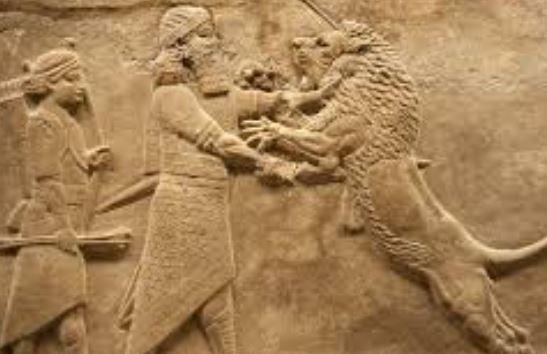
Gilgamesh: The Legendary Sumerian Hero
The epic story of Gilgamesh has captivated readers for millennia, standing as a cornerstone of ancient literature. This legendary Sumerian hero's tale is a rich tapestry of adventure, friendship, and the quest for immortality.

As we explore the world of Gilgamesh, we are introduced to a cast of characters that drive the narrative forward, each with their own distinct roles and motivations. The Epic of Gilgamesh summary reveals a complex exploration of human nature, delving into themes that remain relevant today.
Key Takeaways
- The Epic of Gilgamesh is one of the earliest surviving works of literature.
- Gilgamesh is a king of Uruk in Sumeria, known for his bravery and wisdom.
- The epic explores themes of friendship, love, and the human quest for immortality.
- Gilgamesh's journey is marked by challenges and adventures that test his resolve.
- The story has been influential in shaping literature and culture throughout history.
The Ancient World of Sumer and Mesopotamia
In the ancient world of Sumer and Mesopotamia, the story of Gilgamesh unfolded, weaving together history and myth. Mesopotamia, meaning "land between the rivers," was a region of significant cultural and historical importance, nestled between the Tigris and Euphrates rivers.
The Cradle of Civilization: Understanding Mesopotamia
Mesopotamia is often referred to as the cradle of civilization due to its role in the development of some of the world's earliest urban centers and complex societies. The region saw the rise of sophisticated irrigation systems, governance structures, and cultural achievements that had a lasting impact on the ancient world.
Uruk: The Mighty City of Gilgamesh
Uruk, the city ruled by Gilgamesh, was one of the most significant urban centers in ancient Sumeria. Its grandeur and architectural achievements are reflected in the Epic of Gilgamesh, providing a tangible connection to the narrative.
Archaeological Evidence of Uruk's Grandeur
Excavations at Uruk have uncovered evidence of its impressive city walls, temples, and sophisticated irrigation systems, validating the epic's descriptions. The table below summarizes some of the key archaeological findings:
| Findings | Description | Significance |
|---|---|---|
| City Walls | Massive walls surrounding Uruk | Defensive structure, symbol of power |
| Temples | Religious structures dedicated to Sumerian gods | Center of religious and cultural life |
| Irrigation Systems | Advanced canals and water management | Supported agriculture, urban growth |
The archaeological evidence supports the historical basis of the Gilgamesh narrative, bridging the gap between myth and history.
Who Was Gilgamesh? The Man Behind the Legend
Unraveling the truth about Gilgamesh requires delving into the historical records and mythological accounts of ancient Sumeria. Gilgamesh, as a historical figure, is believed to have ruled the city of Uruk around 2600 BCE, making him one of the earliest known kings in recorded history.
Historical Evidence for Gilgamesh's Existence
While the epic tales about Gilgamesh are well-known, historical evidence supporting his existence is found in various ancient Sumerian king lists and inscriptions. The Sumerian King List includes Gilgamesh as the fifth king of Uruk, providing a tangible link between the mythological narratives and historical records.
Gilgamesh as King: Between History and Myth
Gilgamesh's role as a king is a blend of historical fact and mythological embellishment. As a ruler, he is credited with building the walls of Uruk and possibly other infrastructure projects. The Epic of Gilgamesh portrays him as a demigod, highlighting his divine lineage.
The Divine Lineage: Two-thirds God, One-third Human
Gilgamesh's divine heritage is a significant aspect of his character, influencing his actions and the reverence he received. Being two-thirds god and one-third human, Gilgamesh embodies the connection between the divine and human realms, a common theme in ancient Mesopotamian literature.
The historical and mythological aspects of Gilgamesh intertwine to form a complex character whose legacy has endured for millennia. Understanding Gilgamesh involves exploring both his historical context and the mythological narratives that have shaped his legend.
The Epic of Gilgamesch: The World's Oldest Literary Masterpiece
The Epic of Gilgamesh, considered the world's oldest surviving literary masterpiece, has captivated readers for millennia with its timeless themes and adventures. This ancient Mesopotamian epic poem tells the story of Gilgamesh, a king of Uruk, and his quest for immortality.
Discovery and Translation: How the Epic Survived
The Epic of Gilgamesh was discovered on clay tablets in the ruins of the Library of Ashurbanipal in Nineveh. The translation of these tablets revealed a rich narrative that had been lost to time. The epic's survival is a testament to the enduring legacy of ancient Mesopotamian cultures.
The Clay Tablets: Piecing Together an Ancient Puzzle
The clay tablets containing the Epic of Gilgamesh were pieced together from fragments found in various archaeological sites. This painstaking process has allowed scholars to reconstruct the epic and gain insights into the culture and beliefs of ancient Mesopotamia.
Different Versions Across Mesopotamian Cultures
The Epic of Gilgamesh existed in various versions across different Mesopotamian cultures, including the Sumerians, Akkadians, and Babylonians. Each version offers a unique perspective on the epic and its themes, highlighting the adaptability and significance of the narrative.
- The Sumerian version provides the earliest known fragments of the epic.
- The Akkadian version includes additional stories and expands on the narrative.
- The Babylonian version is the most complete and widely studied.
In conclusion, the Epic of Gilgamesh is a masterpiece of ancient literature that continues to captivate audiences today. Its discovery and translation have provided a window into the culture and beliefs of ancient Mesopotamia, offering valuable insights into the human experience.
The Story Begins: Gilgamesh's Tyranny and Enkidu's Creation
In the ancient city of Uruk, Gilgamesh's rule is characterized by tyranny and abuse of power. He is described as a demigod, two-thirds god and one-third human, with extraordinary strength and beauty. However, his divine heritage does not prevent him from oppressing his people.
The Oppressive Rule of Early Gilgamesh
Gilgamesh's oppression includes taking any man he desires as his own, whether it be a man's daughter or wife. The people of Uruk suffer under his rule, and their cries for help reach the gods. The oppression by Gilgamesh is so severe that it prompts the gods to intervene.
The Gods' Response: Creating Enkidu as a Counterbalance
In response to the suffering of Uruk's people, the gods create Enkidu, a wild man who is as strong as Gilgamesh. Enkidu is designed to be a counterbalance to Gilgamesh's power, challenging him and potentially changing his ways. Enkidu is created from clay and is brought to life by the goddess Aruru.
Shamhat and the Civilizing of the Wild Man
Enkidu is initially a wild man, living among animals and unaware of human civilization. Shamhat, a temple priestess, is sent to tame Enkidu and introduce him to human ways. She achieves this through a intimate encounter, after which Enkidu loses his wild nature and gains human understanding. Shamhat teaches Enkidu how to live as a human, and he eventually comes to Uruk to confront Gilgamesh.
The creation of Enkidu and his subsequent interaction with Gilgamesh marks the beginning of the epic's central narrative. The relationship between Gilgamesh and Enkidu will evolve from rivalry to friendship, driving the plot forward and exploring themes of companionship, love, and the human condition.
The Powerful Friendship: Gilgamesh and Enkidu's Bond
As Gilgamesh and Enkidu's paths crossed, their initial rivalry blossomed into a powerful and enduring bond. This transformation is a pivotal element in the Epic of Gilgamesh, offering insights into the characters of these two figures and the nature of their relationship.
From Rivals to Inseparable Companions
Initially, Gilgamesh and Enkidu were adversaries, with Enkidu being created by the gods to counterbalance Gilgamesh's tyrannical rule. However, after their first encounter, they engaged in a fierce battle that ultimately ended in mutual respect and admiration. This marked the beginning of a deep and abiding friendship that would define the rest of the epic.
The Complementary Nature of Their Relationship
The bond between Gilgamesh and Enkidu is complementary, with Gilgamesh representing civilization and Enkidu embodying the wild. Together, they form a balanced whole, each bringing out the best in the other. This dynamic is crucial for a gilgamesh analysis, as it highlights the themes of companionship and the human need for connection.
Lessons in Friendship for Modern Readers
The friendship between Gilgamesh and Enkidu offers valuable lessons for modern readers. It demonstrates the power of companionship to transform individuals and the importance of having someone who can stand by one's side through adversity. Through their story, we see the enduring value of true friendship in the face of life's challenges.
Adventures and Challenges: The Cedar Forest and Bull of Heaven
The epic of Gilgamesh is filled with adventures, but none as significant as the journey to the Cedar Forest. This expedition showcases the bravery and strength of Gilgamesh and his companion, Enkidu, as they venture into the unknown.
The Journey to the Forbidden Cedar Forest
Gilgamesh and Enkidu's decision to journey to the Cedar Forest is driven by their desire for fame and their need to prove their strength. The Cedar Forest, a sacred place guarded by the fearsome Humbaba, represents a challenge that the two heroes are eager to undertake.

Confronting Humbaba: Guardian of the Sacred Trees
Upon arriving at the Cedar Forest, Gilgamesh and Enkidu encounter Humbaba, the guardian appointed by the gods to protect the forest. The battle with Humbaba is intense, showcasing the combat prowess of the two heroes. Ultimately, they succeed in defeating Humbaba, but this victory comes with significant consequences.
Ishtar's Advances and the Deadly Consequences
Following their victory, Gilgamesh attracts the attention of Ishtar, the goddess of love and war, who proposes marriage to him. Gilgamesh rejects her advances, citing the fate of her previous lovers. Ishtar, enraged by Gilgamesh's refusal, persuades the gods to send the Bull of Heaven to punish him. The bull's arrival brings famine and destruction to Uruk.
| Event | Consequence |
|---|---|
| Journey to Cedar Forest | Encounter with Humbaba |
| Defeating Humbaba | Ishtar's attention and wrath |
| Ishtar's Bull of Heaven | Famine and destruction in Uruk |
The adventures of Gilgamesh and Enkidu in the Cedar Forest and their confrontation with the Bull of Heaven highlight the themes of bravery, friendship, and the consequences of defying the gods. These challenges shape Gilgamesh's character and set the stage for the events that follow in the epic.
Tragedy and Transformation: Enkidu's Death and Gilgamesh's Grief
The passing of Enkidu was a tragedy that transformed Gilgamesh's perspective on life and mortality. Enkidu's death was not just a personal loss for Gilgamesh but a pivotal moment that changed the course of the epic.
Divine Punishment and Enkidu's Illness
Enkidu's illness was a divine punishment for the killing of the Bull of Heaven and the slaying of Humbaba, guardian of the Cedar Forest. The gods decreed that Enkidu would die as punishment for their actions.
Key aspects of Enkidu's illness include:
- Dreaming of his impending doom
- Falling ill after a divine judgment
- A prolonged and painful death
Enkidu's Powerful Death Scene and Final Words
Enkidu's death scene is emotionally charged, with his final words directed towards Gilgamesh. He curses the door of the Cedar Forest, but more significantly, he laments his own fate and the loss of his friend.
"My friend, I curse the gate of the forest... May it be cursed by the great gods."
Gilgamesh's Overwhelming Grief and Existential Crisis
Gilgamesh was consumed by grief upon Enkidu's death. He refused to leave Enkidu's body, mourning him for seven days and nights. This overwhelming grief led Gilgamesh into an existential crisis, questioning the nature of mortality and his own destiny.
Gilgamesh's journey from this point on is driven by his quest for immortality, motivated by the fear of suffering the same fate as Enkidu. The loss of his friend had a profound impact on Gilgamesh, changing him from a tyrannical ruler to a seeker of wisdom and eternal life.
The Quest for Immortality: Gilgamesh's Greatest Journey
The death of his friend Enkidu sparked Gilgamesh's quest for immortality, driving him to traverse treacherous landscapes. This journey was not just about escaping death but understanding the value of life.
Crossing Dangerous Lands and Waters
Gilgamesh's journey took him through perilous mountains and across vast waters, testing his resolve and strength. He faced numerous challenges, from ferocious beasts to harsh weather conditions.
Meeting Siduri: Wisdom at the Edge of the World
At the edge of the world, Gilgamesh met Siduri, the wise alewife. She counseled him on the futility of seeking immortality and advised him to appreciate the beauty of life. Siduri's wisdom was a turning point in Gilgamesh's understanding of his quest.
Utnapishtim and the Story of the Great Flood
Gilgamesh continued his journey to meet Utnapishtim, the survivor of the Great Flood. Utnapishtim shared the story of the flood and the secret of immortality granted to him and his wife by the gods.
The Plant of Youth and Its Loss
Utnapishtim told Gilgamesh about the Plant of Youth, which had the power to restore vitality. Gilgamesh obtained the plant but lost it to a snake, symbolizing the elusiveness of immortality.
| Character | Role in Gilgamesh's Quest | Significance |
|---|---|---|
| Siduri | Wisdom and Guidance | Advised Gilgamesh to appreciate life |
| Utnapishtim | Shared the Story of the Great Flood | Revealed the secret of immortality |
| The Plant of Youth | Symbol of Immortality | Lost to a snake, signifying the elusiveness of eternal life |
Gilgamesh's quest for immortality, though ultimately unsuccessful in achieving its literal goal, was transformative. It taught him valuable lessons about the importance of human relationships, the appreciation of life, and the acceptance of mortality.
Key Themes in the Epic of Gilgamesh
At its core, the Epic of Gilgamesh explores several profound themes that resonate with human experience. This ancient Mesopotamian epic is more than just a story; it's a reflection on the human condition, our relationship with nature, the power of love and friendship, and our quest for meaning and legacy.
Mortality and the Human Condition
One of the most significant themes in the Epic of Gilgamesh is the exploration of mortality and the human condition. Gilgamesh's journey is motivated by his fear of death, following the loss of his friend Enkidu. This theme speaks to the universal human fear of mortality and the quest for immortality. The epic poses fundamental questions about what it means to be human and how we cope with the inevitability of death.

The Tension Between Civilization and Nature
The epic also explores the tension between civilization and nature. Gilgamesh, as a king, represents civilization, while Enkidu embodies the wild and natural world. Their friendship and adventures highlight the interplay between these two aspects of human experience. The Cedar Forest, where they journey to slay the monster Humbaba, symbolizes the untamed natural world that stands in contrast to the urban civilization represented by Uruk.
The Power of Friendship and Love
The bond between Gilgamesh and Enkidu is a central theme, illustrating the power of friendship and love. Their relationship transforms Gilgamesh from a tyrannical ruler to a compassionate leader. The depth of Gilgamesh's grief over Enkidu's death underscores the significance of their bond and highlights the human capacity for love and loss.
The Search for Meaning and Legacy
Gilgamesh's quest for immortality is also a search for meaning and legacy. After Enkidu's death, Gilgamesh embarks on a journey to discover the secret of immortality, driven by the desire to prevent his own death and to leave a lasting legacy. This theme speaks to the human aspiration to achieve something that transcends mortality, whether through heroic deeds, wisdom, or progeny.
In conclusion, the Epic of Gilgamesh is a rich and complex work that explores fundamental themes relevant to human experience. Through its exploration of mortality, the relationship between civilization and nature, the power of friendship, and the search for meaning, the epic continues to resonate with readers today.
Powerful Quotes and Wisdom from Gilgamesh
The Epic of Gilgamesh is a treasure trove of wisdom, offering insights into human nature and mortality. Through its ancient verses, we uncover timeless wisdom that continues to resonate with readers today.
"The One Who Saw the Deep": Insights into Human Experience
The epic describes Gilgamesh as "the one who saw the deep," symbolizing his journey into the depths of human experience. This phrase encapsulates the essence of Gilgamesh's quest for knowledge and understanding. His story serves as a mirror to humanity's own struggles and aspirations.
Siduri's Advice: Living Fully in the Face of Mortality
Siduri, the wise alewife, advises Gilgamesh on how to live life fully despite the inevitability of death. Her words of wisdom encourage us to embrace the present and find joy in the simple things. She reminds us that life is short, and we should make the most of it.
"You will never find that life for which you are looking. When the gods created man, they allotted to him death, but life they retained in their own keeping."
Utnapishtim's Wisdom on Acceptance and Time
Utnapishtim shares his wisdom on the importance of accepting the natural order of things. His story of the great flood teaches us about the passage of time and the impermanence of all things. Utnapishtim's insights encourage us to be mindful of our place in the world and to appreciate the time we have.
- Gilgamesh's journey teaches us about the importance of friendship and love.
- Siduri's advice reminds us to live in the present.
- Utnapishtim's story highlights the value of acceptance.
These powerful quotes and wisdom from the Epic of Gilgamesh continue to inspire and guide us today, offering valuable insights into the human experience.
Gilgamesh's Influence on Literature and Culture
The story of Gilgamesh has traversed time and geography, leaving its mark on diverse cultural narratives. As one of the earliest surviving works of literature, the Epic of Gilgamesh has had a profound impact on the development of literary traditions.
Connections to Biblical Narratives
The Epic of Gilgamesh shares striking similarities with certain biblical narratives, most notably the story of the Great Flood. The parallels between Utnapishtim's account in Gilgamesh and the story of Noah's Ark in the Bible are particularly noteworthy, suggesting a shared cultural heritage or influence.
Echoes in Greek and Roman Mythology
Gilgamesh's influence extends to Greek and Roman mythology as well. The friendship and adventures of Gilgamesh and Enkidu have been compared to the relationships between figures like Achilles and Patroclus. These parallels highlight the epic's broad impact on ancient Mediterranean literary traditions.
Gilgamesh in Modern Books, Films, and Games
In modern times, Gilgamesh continues to inspire creators across various media. From novels that retell his story to films and games that reference his legend, Gilgamesh remains a powerful cultural icon. His influence can be seen in works that explore themes of friendship, the human condition, and the quest for immortality.
The enduring legacy of Gilgamesh is a testament to the epic's universal themes and its ability to transcend cultural boundaries. As a cultural touchstone, Gilgamesh continues to captivate audiences and inspire new generations of writers, artists, and creators.
Conclusion: The Enduring Legacy of Gilgamesh
The Epic of Gilgamesh, one of the earliest surviving works of literature, continues to captivate audiences with its timeless themes and universal appeal. At its core, the epic tells the story of Gilgamesh, a king whose journey from tyranny to wisdom is marked by friendship, loss, and the quest for immortality.
The gilgamesh legacy is a testament to the power of ancient storytelling, influencing literature and culture for millennia. From its connections to biblical narratives to its echoes in Greek and Roman mythology, the epic's impact is undeniable. The epic of gilgamesh summary reveals a complex exploration of human nature, delving into themes of mortality, the human condition, and the search for meaning.
Gilgamesh's story remains a powerful reminder of the importance of friendship, love, and living in the present. As we reflect on the gilgamesh summary, we see a hero whose experiences continue to resonate with readers today, offering insights into the human experience that are both profound and enduring.
FAQ
Who was Gilgamesh?
Gilgamesh was a king of the city of Uruk in Sumeria, Mesopotamia, and is considered one of the earliest surviving works of literature, the Epic of Gilgamesh, to be the main character.
What is the Epic of Gilgamesh about?
The Epic of Gilgamesh is an ancient Mesopotamian epic poem that tells the story of Gilgamesh, a king of Uruk, and his adventures with his friend Enkidu, as well as his quest for immortality after Enkidu's death.
What are the main themes of the Epic of Gilgamesh?
The main themes of the Epic of Gilgamesh include mortality and the human condition, the tension between civilization and nature, the power of friendship and love, and the search for meaning and legacy.
Is Gilgamesh based on a historical figure?
Historians believe that Gilgamesh may have been a real king of Uruk, but the epic story is a mix of historical and mythological elements, making it difficult to separate fact from fiction.
What is the significance of the Epic of Gilgamesh?
The Epic of Gilgamesh is considered one of the earliest surviving works of literature and has had a significant influence on the literary and cultural heritage of the Western world.
What lessons can be learned from the Epic of Gilgamesh?
The Epic of Gilgamesh offers insights into the human experience, including the importance of friendship, the inevitability of mortality, and the search for meaning and legacy.
How has the Epic of Gilgamesh influenced modern literature and culture?
The Epic of Gilgamesh has influenced many works of literature, art, and popular culture, including biblical narratives, Greek and Roman mythology, and modern books, films, and games.
What is the story of Enkidu and Gilgamesh?
Enkidu was created by the gods to counterbalance Gilgamesh's power, and the two became friends after Enkidu was civilized by Shamhat, and together they went on many adventures, including a journey to the Cedar Forest.
What is the significance of the Great Flood in the Epic of Gilgamesh?
The Great Flood is a pivotal story in the Epic of Gilgamesh, told by Utnapishtim, a survivor of the flood, to Gilgamesh, and serves as a precursor to the biblical account of Noah's Ark.
What is the message of the Epic of Gilgamesh?
The Epic of Gilgamesh conveys a message about the human condition, the importance of living in the present, and the inevitability of mortality, as well as the power of friendship and love.
Links: