
Arya
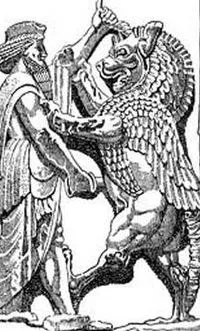
Arya (Old Iranian Term)
Meaning in the ancient Iranian world
The word arya in Old Iranian (Avestan airya, Old Persian ariya) is one of the oldest Indo-Iranian cultural terms.
It appears in the Avesta and in the Achaemenid royal inscriptions, and its meaning is very different from the distorted usage that appeared centuries later.
✔ Original meaning:
“Noble,” “honorable,” “of our people,” “member of the Iranian cultural community.”
It was a cultural, linguistic and spiritual identity, not a racial concept.
In the Avesta (Zoroastrian scripture)
In Avestan texts, airya / airyan refers to:
-
the community of Old Iranian peoples
-
speakers of the Iranian languages
-
followers of the Zoroastrian religion
-
people living according to Aša, the cosmic principle of truth and order
Important terms include:
Airyana Vaēǰah – “the expanse of the Arya,”
a mythic homeland of the Old Iranians and the birthplace of Zoroaster.
Airyō šayanəm – “the land of Arya.”
These names show that arya meant a cultural homeland, not a biological classification.
In Old Persian royal inscriptions
Kings like Darius I and Xerxes called themselves:
-
ariya – Aryan
-
ariya čiça – of Aryan lineage
Meaning:
“I belong to the Iranian people and their tradition.”
It indicated ethnic-cultural self-identification, similar to saying “Greek,” “Egyptian,” or “Persian.”
Relation to the word Iran
The name Iran (Old Iranian: Aryānām) literally means:
“Land of the Arya.”
Thus, Iran = the land of the Iranian peoples, as understood culturally and linguistically.
Spiritual-Esoteric Dimension
In Zoroastrian thought, arya also held a moral and spiritual meaning:
An Arya is one who follows Aša:
-
truth
-
right action
-
cosmic order
-
purity of mind
-
courage against darkness (Druj)
In this sense, arya is close to the Sanskrit ārya (“enlightened,” “noble-minded,” “saintly person”).
Thus, “Arya” originally described inner nobility, not appearance or biology.
Misinterpretation in later centuries
Beginning in the 19th century, European racial theorists misused and distorted the term, incorrectly linking it to racial categories.
These modern ideas have no connection to the ancient Iranian meaning, which was cultural, ethical, and linguistic.
Links:

Unlocking the Power of Spiritual Healing: A Journey to Wholeness and Well-Being
Read More